SK hynix profit surged in the second quarter, with the South Korean memory maker reporting 79.32 trillion won in revenue and 60.54 trillion won in operating profit on Wednesday. The company said operating profit rose 557% from a year earlier and produced a 76% operating margin, a record showing how much AI server demand is squeezing the memory market.
The good news came with a larger bill. On its Seoul earnings call, SK hynix lifted its 2026 capital spending outlook to the high 40 trillion won range, saying demand tied to AI servers is still running beyond what it can supply. The company guided third-quarter DRAM bit shipments up about 10% from the prior quarter, after DRAM average selling prices rose roughly 30% and NAND prices climbed in the mid-50% range during the second quarter.
SK hynix had already raised a large pile of cash this month. The company priced 177.9 million American depositary receipts at $149 each, bringing in $26.51 billion in what its SEC filing described as the largest share sale by a non-U.S. company on record. The filing said proceeds would go toward Korean manufacturing sites and equipment, including EUV scanners.
Why did SK hynix shares fall after record profit?
Investors had priced in even more. Operating profit came in below the 64.1 trillion won forecast from brokerages surveyed by Yonhap Infomax, and the company did not announce a bigger shareholder-return plan, telling analysts only that additional returns were still being reviewed and would be disclosed within the year.
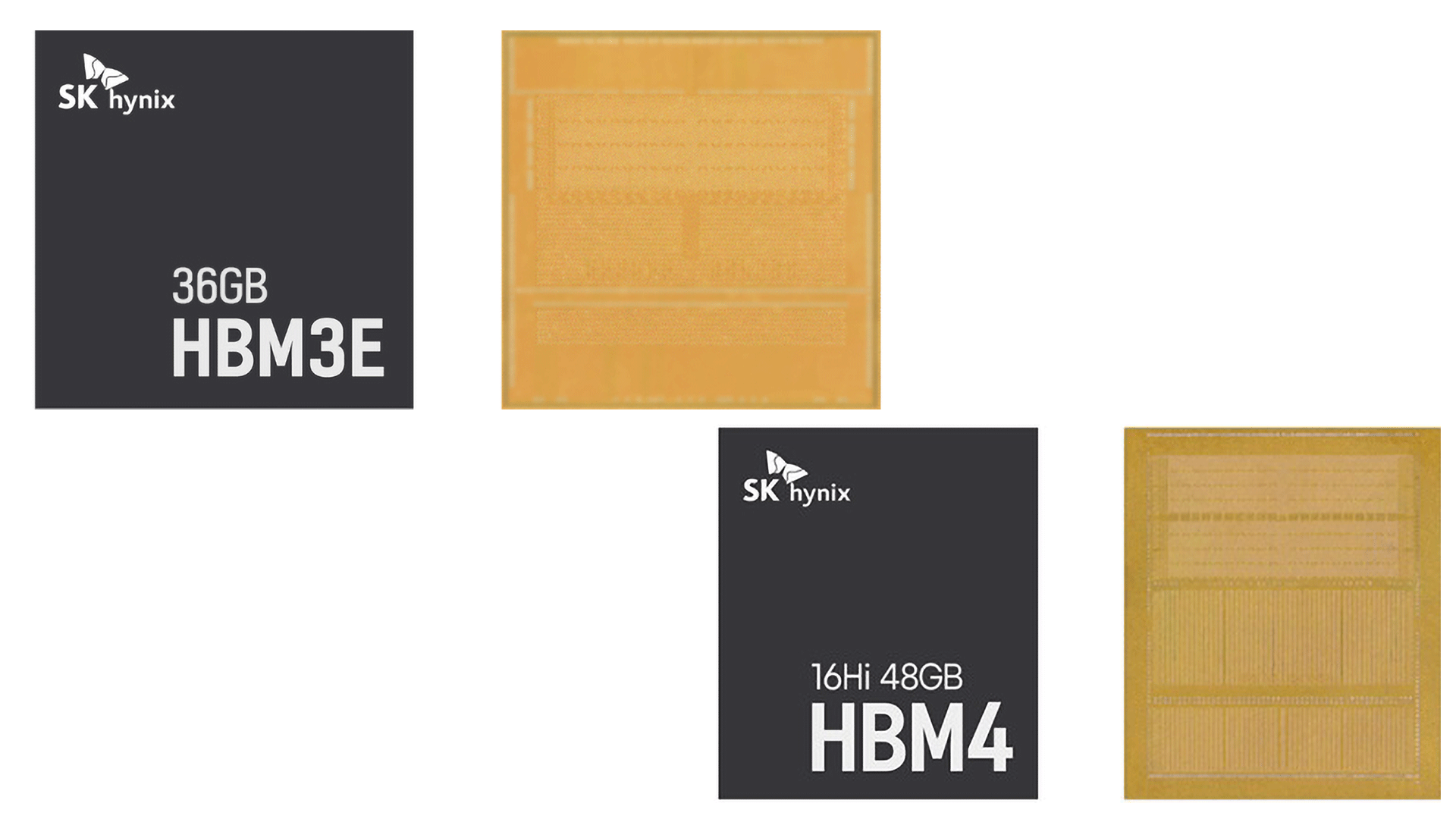
SK hynix executives said the weaker blended DRAM average selling price reflected product mix and the timing of higher-value shipments moving into the second half. They said the gap should narrow as HBM4 and 1c-node conventional DRAM production increases. The company said HBM4 entered mass production in the quarter, while HBM4E samples have shipped and volume production is targeted for 2027.
HBM, or high-bandwidth memory, is the memory type SK hynix is tying most closely to AI server demand. It commands more attention from investors because AI accelerators need fast memory near the processor, and supply has been tight.
The selloff was not limited to SK hynix. The company’s shares closed down around 10% in Seoul on Wednesday, while Samsung Electronics fell 5%. The KOSPI finished 6% lower and below 6,000 for the first time since April 14, after touching 5,262 during the session. Over five sessions, the index dropped 17%, cutting a year-to-date gain that had reached 116% in June to 34%.
The pressure had been building. The KOSPI fell 10.84% on Tuesday and triggered a marketwide circuit breaker after SK hynix’s American depositary receipts dropped below their $149 Nasdaq listing price from July 10. Over the past month, SK hynix has lost 47% of its market value, and Samsung has fallen 37%.
The company’s spending plan is aimed at capacity that will not arrive immediately. SK hynix said the new budget supports faster mass production at the M15X fab in Cheongju, the Yongin Phase 1 cleanroom scheduled to open in early 2027, and phased construction of the P&T7 advanced packaging plant and M17 NAND base according to customer demand. Cash and short-term investments stood at 88 trillion won at quarter-end, up 33.6 trillion won in three months, while interest-bearing debt was 18.6 trillion won and the debt-to-equity ratio was 7%.
Chief executive Kwak Noh-jung has warned that 2027 will be the worst year of the memory shortage and said the crunch could last beyond 2030. SK hynix estimates full-year DRAM demand is rising at a mid-20% rate, while it is guiding next-quarter bit shipments up only about 10%. The company said the capacity now being funded will not produce wafers before 2027.
Bloomberg quoted Josh Gilbert, eToro’s lead analyst for Asia-Pacific and the Middle East, as saying investor expectations had moved beyond what another record quarter could satisfy. Rival supply is also part of the picture: CXMT closed its Shanghai debut up 466% on Monday after raising 57.92 billion yuan for DRAM wafer lines, while TrendForce expects conventional DRAM contract prices to rise 13% to 18% in the third quarter and NAND to gain 10% to 15%.
This story draws on original reporting from Tom's Hardware.