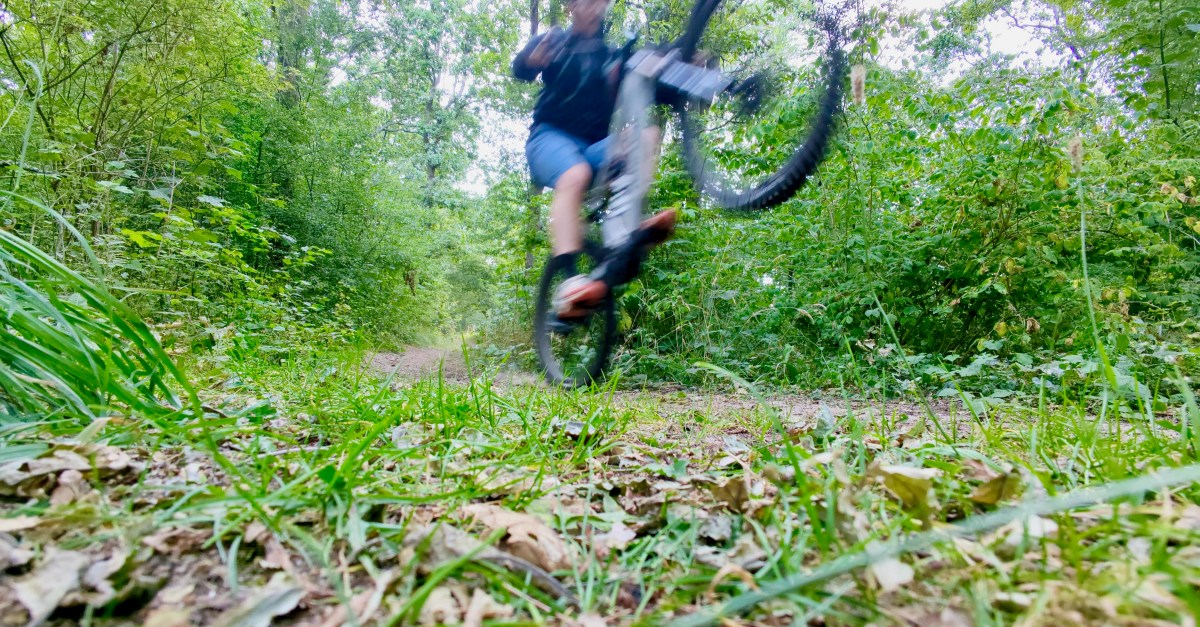
The electric mountain bike argument has a new exhibit: The Verge deputy editor Thomas Ricker, a self-described former skeptic, says testing Amflow’s PX Carbon Pro changed how he views motor-assisted trail riding. His conclusion is not that motors magically create skill. It is that pedal assist can keep less experienced riders moving, safer, and willing to spend more time practicing instead of turning every climb into a punishment ritual.
Ricker tested the Amflow PX Carbon Pro, a carbon-frame electric mountain bike using the Avinox M2S mid-drive motor. Avinox is described by Ricker as a new DJI offshoot, and the M2S is the piece doing most of the persuasion here: small, light, and strong enough to change how a rider handles climbs, corners, and low-speed technical sections.
What the assist actually does
In Ricker’s account, the motor does not turn the bike into a trail autopilot. It adds force only while the rider pedals, and the rider can choose lower or higher assistance depending on the ride. He says eco mode still lets him work hard, while turbo assist takes the edge off steep or awkward climbs.
The mechanism is not mystical. A mid-drive motor adds torque through the drivetrain, which helps the bike recover speed after braking, maintain momentum through rough sections, and restart on steep pitches where a rider’s technique might otherwise collapse into the traditional mountain-bike activity of getting off and walking.
Ricker says that extra push made him feel more in control after a prior crash left him less confident. He also says it helped him ride with stronger riders who would otherwise leave him behind early in a group ride. That is a social feature, whether the spandex tribunal accepts it or not.
European limits blunt the speed argument
The review also pushes back on the claim that eMTBs automatically make riders faster. Ricker rides in Europe, where he says electric mountain bikes lack throttles and pedal assistance stops at 25km/h, or 15.5mph. He notes that many trail riders can pass 30km/h on straight sections, where the heavier electric bike is no longer getting motor help.
He also says European e-bikes carry a maximum continuous output rating of 250W, which he describes as less powerful than Class 1 e-bikes sold in the US, and far below faster Class 3 models. The regulatory distinction matters: an eMTB under those rules is assistance for pedaling, not a throttle bike wearing knobby tires and a fake mustache.
The pricey demo rig is not the whole market
The Amflow PX Carbon Pro Ricker rode costs about $10,000, which is an extremely convenient way to discover that a category is good. Its specs are also not subtle. According to Ricker, the Avinox M2S can deliver up to 150Nm of torque and a temporary 1,500W boost for long, steep climbs. The carbon frame helps keep the complete bike to 20.6kg, or 45 pounds, below the 22kg to 27kg range he cites as average.
Ricker also points to cheaper options. Avinox says it now has more than 60 bike-brand partners worldwide. He identifies the CRUSSIS e-Hard 11.11 hardtail, at roughly $4,000, as the lowest-priced M2S-equipped eMTB he found. He also names Ride1Up and Aventon as sellers of lower-cost electric mountain bikes with less capable motors.
The larger point from Ricker’s ride is narrow but useful: a motor does not confer technique, trail judgment, or bragging rights on Strava. It can reduce the amount of suffering between attempts, which means more laps and more chances to get better. Mountain biking has survived full suspension, disc brakes, dropper posts, and larger wheels. It will probably survive riders having fun uphill too.
This story draws on original reporting from The Verge.