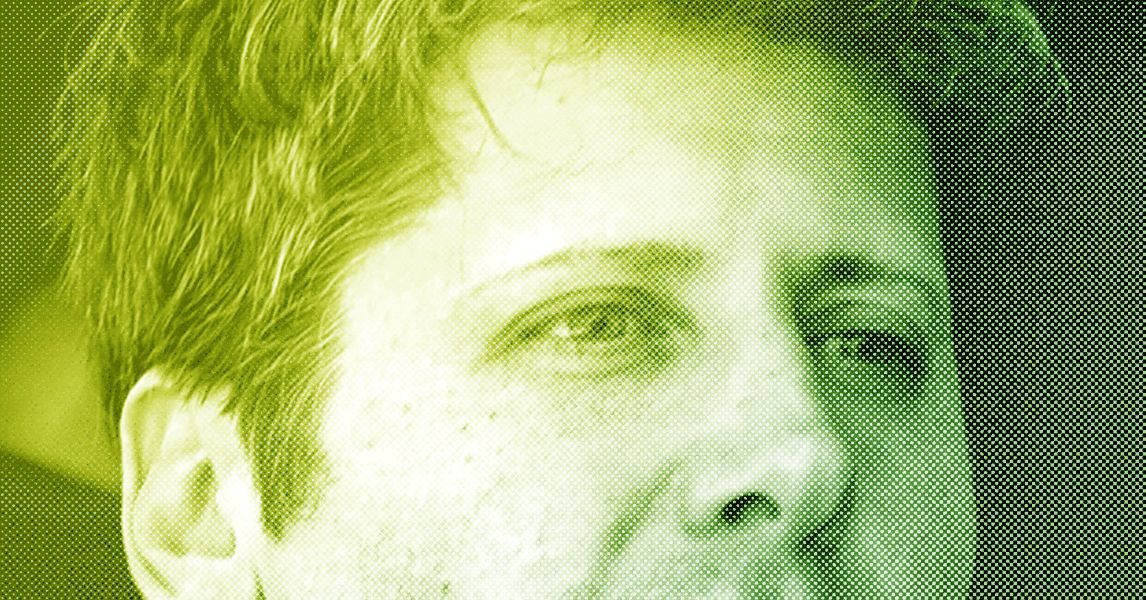
Apple has sued OpenAI, accusing the AI company of taking confidential hardware information as OpenAI tries to build devices of its own, according to WIRED’s Uncanny Valley. The case matters because the AI race is no longer confined to model weights, chatbots and benchmark theater. It has moved into physical products, former employees and the usual Silicon Valley swamp of trade-secret claims.
WIRED reported that Apple’s lawsuit says OpenAI obtained information about unreleased iPhone parts and prototypes, confidential designs and documents tied to secret projects. The lawsuit names Tang Tan, OpenAI’s chief hardware officer, who spent 24 years at Apple. According to WIRED’s account of the filing, Apple alleges Tan encouraged people leaving Apple to bring proprietary information and unreleased technology with them.
Apple’s complaint also says OpenAI has hired more than 400 former Apple employees, WIRED reported. OpenAI’s hardware push became harder to ignore last year when the company paid $6.5 billion to acquire IO Products, a startup co-founded by longtime Apple figures including Tan, Scott Cannon, Evans Hankey and Jony Ive.
Brian Barrett, WIRED’s executive editor, compared the dispute with an earlier Apple talent fight involving Tony Fadell, the former Apple executive who founded Nest. Zoë Schiffer, a WIRED contributing editor, said Apple may be trying to slow OpenAI’s hardware ambitions as Apple continues to treat the iPhone as the main computing platform for the AI era. That is analysis, not a finding in the lawsuit.
Bloomberg reporting cited on the show said OpenAI’s eventual device may resemble a speaker and include motorized elements. Barrett said he remained skeptical of OpenAI’s hardware bet, especially because Apple can still build speaker-like devices and has the phone, the screen people already carry around.
OpenAI employees fund a regulatory counterweight
The company is also facing an internal political split. WIRED reported that OpenAI employees are helping fund Guardrails Alliance, a super PAC launched last month to push tighter rules for frontier AI labs. The group started with $5 million and aims to raise $15 million during the election cycle, according to the report.
Guardrails Alliance is positioned against Leading the Future, a $100 million fund backed by OpenAI executive Greg Brockman and others, WIRED reported. Barrett described the newer group as a counterweight to money aimed at boosting AI and opposing guardrails.
WIRED said one of Guardrails Alliance’s largest donors is OpenAI research engineer Juan Felipe Cerón Uribe, who gave $200,000. Leah Feiger, WIRED’s director of politics and science, said Cerón Uribe has worked for years on OpenAI strategies meant to reduce potential societal harms from AI.
Data centers, DOGE and a parasite outbreak
The episode also covered New York’s first statewide data center moratorium, which WIRED said has drawn criticism from Donald Trump. Barrett said the show would examine whether the move could prompt other states to consider similar restrictions. The stakes are plain enough: AI infrastructure needs power, land and political permission, and states are starting to notice.
WIRED also reported that members of the so-called Department of Government Efficiency, known as DOGE, used AI in housing policy at the Department of Housing and Urban Development. According to WIRED, the government has not explained how the AI was used and has resisted Freedom of Information Act requests on the matter.
The week’s least glamorous topic may be the most immediately relevant to regular humans. WIRED’s Emily Mullin discussed a cyclosporiasis outbreak spreading across more than 30 states. The illness is causing severe diarrhea, according to WIRED, and Mullin reported that the outbreak is expected to grow.
This story draws on original reporting from WIRED.


