The Apple TV Cape Fear remake has wrapped its 10-episode season by pushing the old revenge-thriller setup through a very 2026 machine: drones overhead, suspect messages on phones, compromised cameras and an apparent AI copy of a man’s voice. Andrew Webster of The Verge reports that the series uses those tools to make the Bowden family, and the audience, doubt what they are seeing and hearing.
The show is described as inspired by the 1991 Cape Fear film, with Martin Scorsese and Steven Spielberg returning as executive producers. That movie was itself a remake of a 1962 film based on John D. MacDonald’s novel The Executioners. The Apple TV version keeps the broad premise of a released convict targeting people tied to his trial, but builds a new story around it for an episodic format.
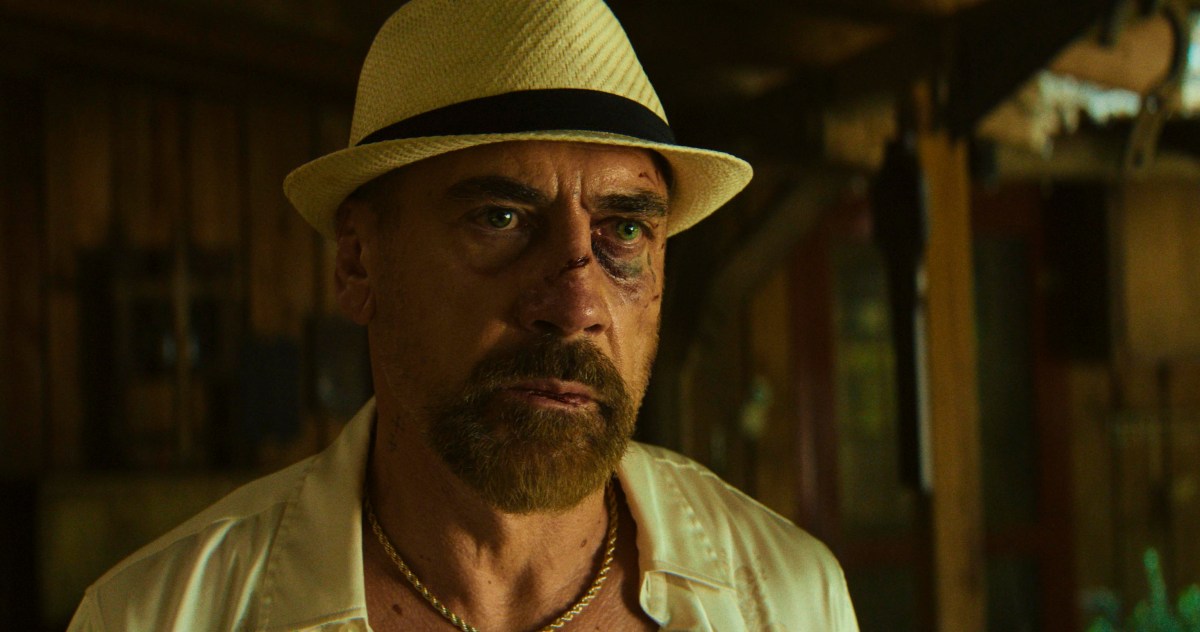
Javier Bardem plays Max Cady, a convicted murderer freed 17 years into a life sentence after another person confesses to the crime. Once out, Cady focuses on Anna Bowden, played by Amy Adams, and Tom Bowden, played by Patrick Wilson. Anna was Cady’s defense lawyer, Tom was the prosecutor, and the two later married and had children.
What technology is in Apple TV’s Cape Fear remake?
The Verge reports that Cady’s campaign starts with a grotesque but low-tech warning: the Bowdens find a dead family of skunks in their pool. The show then widens the attack surface, because of course the family’s lives are threaded through devices and platforms that can be manipulated.
To reach Anna’s son Zack, played by Joe Anders, Cady and his associates pose as other people through text messages and chats inside an online game described as similar to World of Warcraft. The mechanism is familiar: the attacker does not need a sci-fi superweapon when ordinary social channels already provide a private path to a target.
The attacks escalate from there. Drones appear above the Bowden home while Anna, the Bowdens’ daughter played by Lily Collias, does yoga. Tom faces trouble at work over what appears to be an AI-generated clone of his voice. The family’s security cameras fail at convenient moments. Footage of Anna later becomes public, according to The Verge, worsening her isolation from friends.
The series also uses older thriller tactics. Cady stalks the family, buys a house across the street, gets close to the children and draws on a pseudo-religious element that The Verge describes as underexplained. Webster credits Bardem’s performance with adding to the menace, including scenes built from ordinary behavior rather than gadgetry.
The technology is not treated only as a calendar stamp for a modern remake. The Verge’s reading is that the show turns everyday systems into sources of uncertainty: a message may not come from who it claims, a camera may not protect anyone, and a voice may no longer prove identity. Voice cloning generally refers to software that imitates a person’s speech patterns from recordings, which is exactly the sort of plausible fraud that makes a domestic thriller nastier without needing a magic hacker in a hoodie.
As the finale approaches, key discoveries come through a hidden USB drive containing photos, a recording on a stolen iPhone and a screen recording of a FaceTime call, The Verge reports. For this version of Cape Fear, the devices are not background props. They are the pipes Cady uses to get inside the Bowdens’ home, work and relationships.
This story draws on original reporting from The Verge.