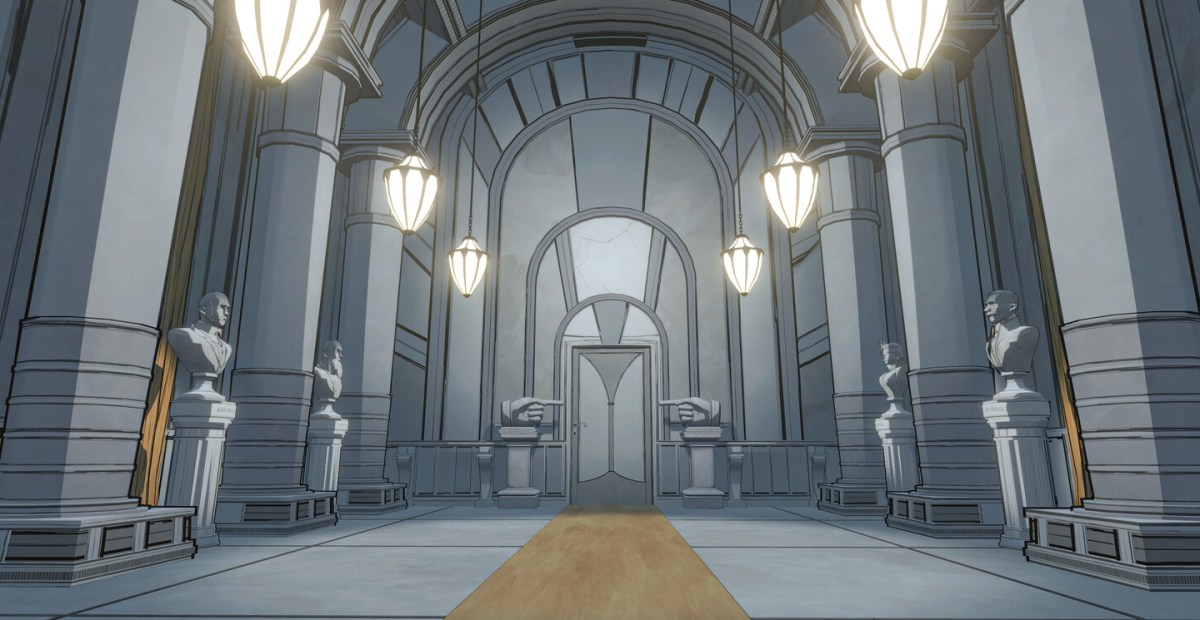
Blue Prince, the puzzle roguelike built around exploring a strange mansion, has become a shared weekend project for The Verge senior reviewer John Higgins’ wife and son, Higgins wrote in a July 12 essay.
Higgins framed the game as an unexpected family handoff. He had expected to be the main gaming parent after his son was born nearly 11 years ago. Early on, his son watched him play Sea of Thieves with friends, sometimes wearing a headset too large for him and giving directions during play, according to Higgins.
The arrangement has shifted. Higgins wrote that he now sits beside his son while the child fights Calamity Ganon in The Legend of Zelda: Breath of the Wild. His son’s long-running favorite, though, has been Minecraft, especially creative mode, where the rules, order and calmer play style appeal to him. The kid also enjoys stacking TNT blocks and detonating them, because of course he does.
The surprise, Higgins wrote, was the connection his wife made with their son through Blue Prince. She had tried joining his Minecraft worlds, though Higgins said it was not her favorite game. Her own tastes run toward puzzles and stories, which made Blue Prince a better fit after a friend recommended it for both her and their son.
Higgins said she bought the game soon after its release on Switch 2. Since then, the pair have played together whenever they can and have already moved beyond the progress of the friend who suggested it.
How the game fits the family dynamic
Blue Prince asks players to work through a 45-room mansion across repeated in-game days, with the objective of finding Room 46 and claiming an inheritance, according to Higgins’ description. That structure makes the game less about twitch reflexes and more about observation, deduction and memory.
For a parent and child playing together, that matters mechanically. A mansion that changes over time and a goal buried behind layered clues give both players jobs: notice details, test theories and remember what did not work. Higgins did not describe the game as educational software, thank goodness, but his account makes clear that the learning came through play rather than a lesson plan wearing a fake mustache.
The result, according to Higgins, was not just another game in the house. It became a shared challenge for his wife and son, one that let them work through puzzles together while building a routine around the console. For a family already orbiting games from Minecraft to Breath of the Wild, Blue Prince found a different lane: less spectacle, more collaborative head-scratching.
This story draws on original reporting from The Verge.