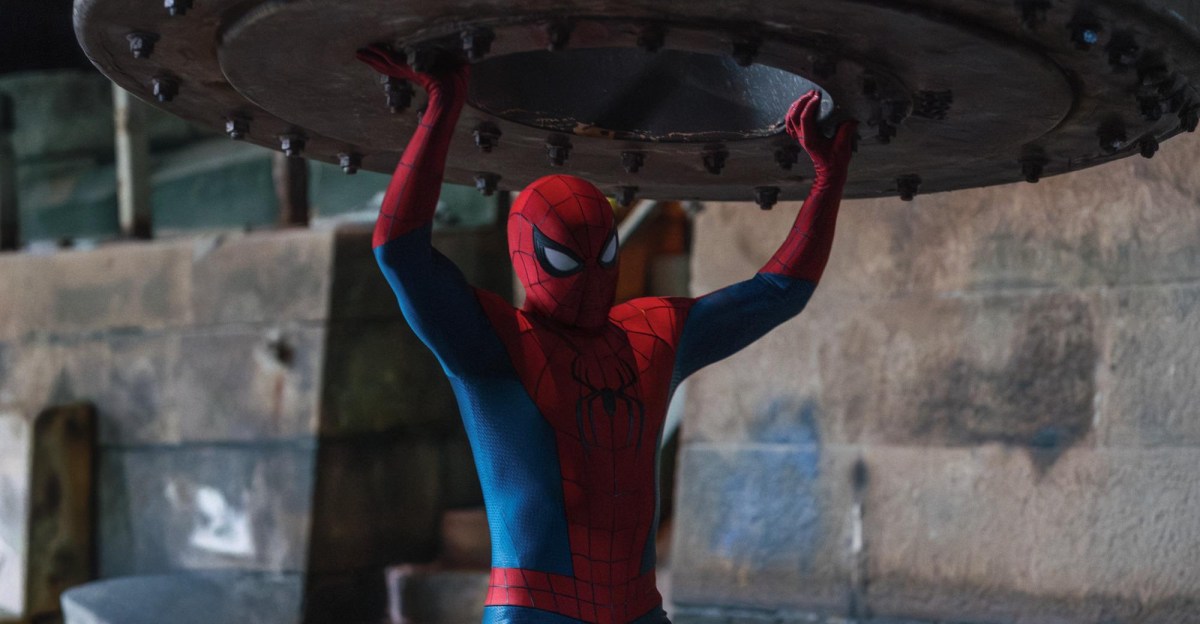
The phrase “don’t screw this up, Marvel” refers to a The Verge analysis, not an announcement from Marvel Studios or the name of a new production. Published August 4, 2026, the piece by Charles Pulliam-Moore uses Spider-Man: Brand New Day as the occasion for a narrower warning: a successful Spider-Man release does not, in the author’s view, establish that the larger Marvel Cinematic Universe has regained its footing.
The article’s premise is blunt. Pulliam-Moore describes Brand New Day as a commercial success while characterizing the broader MCU as being in a slump over recent years. Those are editorial judgments, not a newly disclosed Marvel strategy or a confirmed change to the company’s film slate.
What does “Don’t screw this up, Marvel” refer to?
It is the headline of The Verge’s report and analysis. Pulliam-Moore’s argument is that Marvel and Sony’s handling of Spider-Man has characteristics the rest of Marvel’s interconnected film universe has lacked, according to his assessment.
The Verge reports that Brand New Day reached $1 billion worldwide in less than a week and set an opening-weekend record, citing separate trade-publication coverage for those figures. The available evidence does not independently verify those box-office claims, so they should be read as reported context within The Verge’s analysis rather than as settled figures in their own right.
Pulliam-Moore also places the film in a longer commercial pattern for the character, writing that recent live-action Spider-Man releases from Sony and Marvel have performed well. His point is not that any strong Spider-Man result is unusual. It is that the speed and scale of the reported Brand New Day performance make the contrast with the rest of the MCU harder to ignore.
Why does the analysis separate Spider-Man from the MCU?
The argument turns on storytelling, not an announced corporate divide. Pulliam-Moore says audiences still want big-screen comic-book films when the parts line up. He contends that the recent Spider-Man movies have worked because they build relatively contained stories around Tom Holland’s Peter Parker and a grounded setting, even as Jon Watts’ trilogy later incorporated multiverse material.
According to the author, those qualities have not carried into the Sony-free portions of Marvel’s shared universe. That is a critique of Marvel Studios’ recent creative direction, not evidence that the studio has adopted a new approach or that Sony and Marvel have changed their existing Spider-Man arrangement.
Readers looking for a Marvel news development should treat the headline accordingly. The confirmed event is publication of Pulliam-Moore’s analysis. Its warning is an opinion about what Marvel should learn from a reported hit, with the company’s future recovery left unresolved.
This story draws on original reporting from The Verge.


