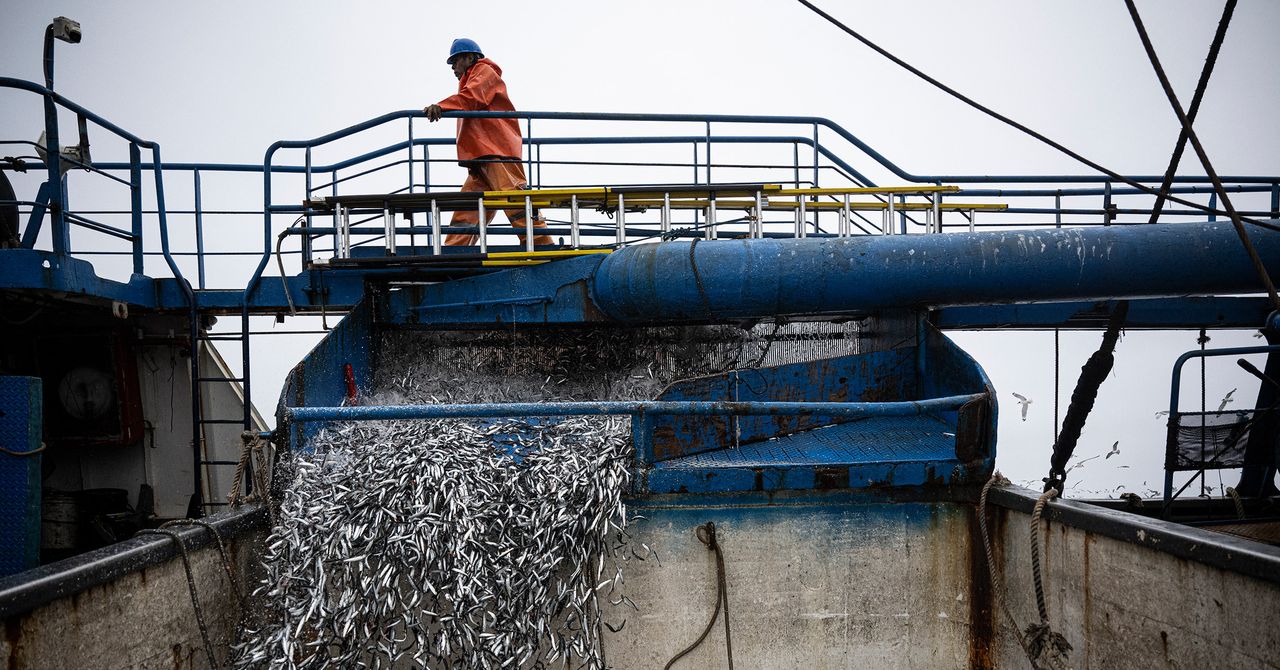
The current El Niño is already rearranging the fishing map across the Pacific, hitting Peru’s anchovy fleet while giving Southern California boats a run of warm-water species closer to shore. For crews, processors, and shoppers, the pattern is ugly in the usual way climate volatility is ugly: the ocean does not care about quarterly planning.
Peruvian officials have extended an indefinite ban on anchovy fishing for the April-to-July season, according to Aquafeed, after coastal El Niño conditions stressed stocks. The stakes are not boutique seafood. Peru’s anchoveta fishery is described by The Conversation as the world’s largest single-species fishery, and anchovies are a major input for fish oil and animal feed.
Juan Carlos Sueiro, an economist and fisheries director at Oceana Peru, said concern is rising as climate change is expected to make El Niño events more frequent and stronger, according to Imperial College London’s Grantham Institute. “People are worried,” Sueiro said. “Our vulnerability is increasing.”
What the water is doing
El Niño is a recurring Pacific climate pattern that appears every two to seven years, according to the National Oceanic and Atmospheric Administration. In ordinary conditions, equatorial trade winds push warm surface water westward from South America toward Asia. That movement lets colder, nutrient-rich water rise near the South American coast, feeding algae and the fish that eat them.
During El Niño, those winds weaken. Upwelling slows, surface food drops, and anchovies move deeper looking for something to eat. Humberto Speziani, a Peruvian industrial fishing adviser and former director of the International Marine Ingredients Organization, said sonar-equipped vessels have found anchovies more than 100 meters below the surface. That depth is beyond the normal reach of purse seine nets, which makes the fish both harder to catch and more vulnerable to population stress.
The same physical shift can help other fishers. NOAA says warm-water species such as skipjack tuna can move toward the Americas during El Niño, entering coastal waters that would usually be too cold. Southern California recreational and commercial fishers have reported strong bluefin tuna catches this year. A fishing tracker cited by Grist indicated nearly 300,000 more bluefin were caught off California in the first half of the year than in the same period last year.
A manager at a San Diego-based sportfishing company summed up the mood in an April YouTube video: “We’ve got yellowfin, we’ve got bluefin, yellowtail, and dorado. What else can you ask for?” That is great if your boat is in the right water. It is less useful if your income depends on anchovies off Peru.
Prices and pressure
India is also preparing for smaller and less abundant Indian mackerel, according to India Today. In Peru, local reports cited by Grist said prices for jack mackerel and corvina had already doubled in some markets, pushing families toward chicken. Sueiro said shrimp could move the other way, because some shrimp populations have expanded during past El Niño events.
The damage may not stop at the dock. High ocean temperatures linked to El Niño can harm coral reefs, weaken kelp beds, and reduce oxygen in underwater habitats. Research cited by Grist also suggests shifting fish stocks can raise the risk of conflict when fleets move into other countries’ economic zones.
Arnaud Bertrand, a senior scientist at France’s National Research Institute for Sustainable Development, singled out Humboldt squid as a risk for Peru’s artisanal fishers. The species produces about half a million tons of catch per year, according to regional fisheries data cited by Grist, and tends to suffer during El Niño as prey patterns change. “If the Humboldt squid collapses, then you’ll have 10,000 boats that will try to find another resource,” Bertrand said.
How bad this gets depends on the shape and timing of the event. Bertrand said each El Niño behaves differently, and exceptionally high September temperatures could point toward a more destructive episode. His read on a warming ocean was blunt: “With global warming, the worst is the most probable.”
This story draws on original reporting from WIRED.


