Google is rolling out a Google selfie video sign in option that can help users regain access to their accounts when their usual device, passkey, or other sign-in method is unavailable. Google product manager Claire Forszt told WIRED the feature is meant for situations where a user cannot reach the device that would normally hold their passkey.
The feature adds another recovery path alongside existing options such as recovery contacts and backup codes. Google is making it available globally to most accounts, though users will only see it if the option has reached their account.
Account recovery is a high-stakes corner of consumer security. A Google account can be the front door to email, calendars, documents, photos, and password resets for other services. Losing access to the device tied to that account can turn a routine login problem into a full digital lockout, which is why Google is adding another credential to the pile.
How does Google selfie video sign in work?
Users can set up the feature from their Google account by opening the Security & sign-in tab, then going to the How you sign in to Google section. If selfie sign-in is available, it appears as a new option at the bottom of that section. Google also hosts the setup flow at myaccount.google.com/video-verification.
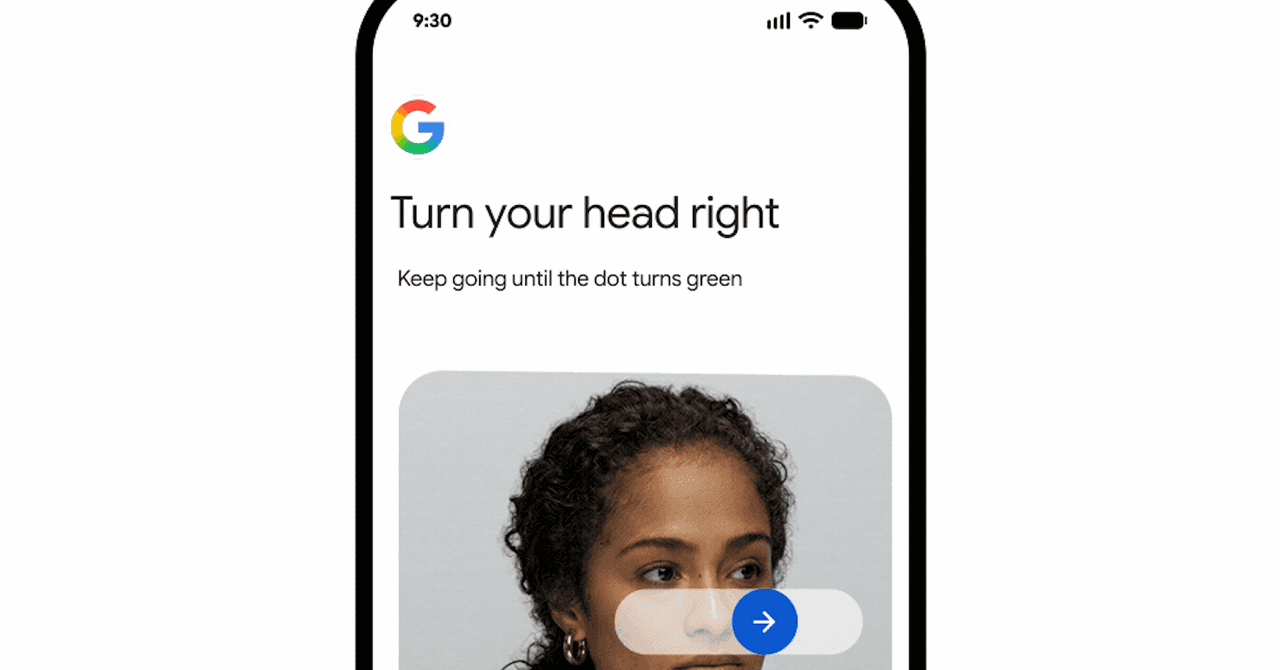
During setup, Google asks the user to record a short video with their face visible, their eyes directed toward the camera, and ordinary lighting. WIRED reported that Google recommends keeping other faces out of the frame, including faces in background images such as family portraits.
The recording process can ask the user to move their head, such as lifting the chin and returning to center, before a final look at the camera. Once Google verifies the recording, the selfie video is stored in Security Settings.
Google says it uses defenses including liveness detection to reduce the risk that a deepfake or other fake recording can pass the check. Forszt told WIRED that a successful selfie video may still be insufficient if Google sees other risk signals, because the company evaluates account recovery attempts using multiple factors.
Why users have to set it up before they need it
The practical catch is timing. Google’s support page says users cannot add a selfie video while they are already locked out or going through account recovery. That makes the feature a preparation step, like adding backup codes before a phone disappears into a rideshare seat cushion.
Google’s setup flow also includes a separate choice about training data. Users can opt in to let Google use the selfie video and related data to improve facial recognition, age estimation, and other verification methods that use physical features or movement across Google services. The checkbox is optional, according to WIRED, and users can later change the setting in privacy controls under Improve Google services.
That opt-in design matters because face data and AI features have become a live wire for tech companies. WIRED reported that Meta drew backlash in July after automatically making adult Instagram users’ images available for AI remixes unless they opted out. Meta removed that feature three days after launch.
Google’s selfie video option is still a trade-off: users get another route back into an account, while Google stores a recording of their likeness for verification. For people who rely on Google services and worry more about lockout than biometric storage, it may be useful. For everyone else, the checkbox deserves a slow read, which is more than most security settings usually get.
This story draws on original reporting from WIRED.