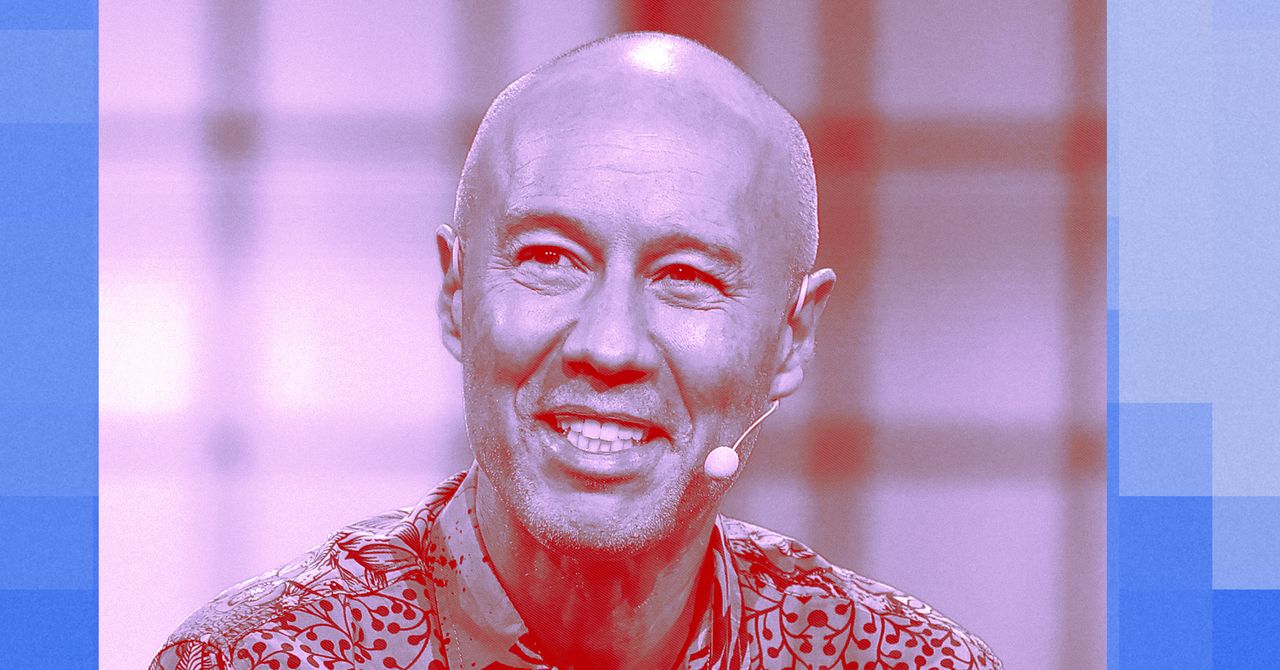
Lyft CEO David Risher is trying to turn the ride-hailing company from permanent runner-up into something less embarrassing for riders, drivers and investors: a profitable No. 2 with a plausible autonomous-vehicle plan.
WIRED’s Steven Levy reported that Lyft brought in Risher in March 2023, when the company was struggling under its founders and facing the risk of being squeezed further by Uber. Risher came from senior roles at Microsoft and Amazon, which is the kind of résumé boards like when a consumer tech company needs adult supervision.
Since then, according to WIRED, Risher has expanded Lyft’s service outside its home market, struck deals with Waymo and Nvidia, reduced ride cancellations and increased driver pay. Lyft also announced this week that New York customers would see taxis as an option in its app through an expanded partnership with Curb.
That taxi move matters in the most practical possible way: if Lyft can show users more available rides in a city where yellow cabs are already part of the street furniture, the app becomes less of a second app and more of a usable default. The mechanism is not mystical platform magic. Lyft is adding existing taxi supply to its marketplace rather than relying only on private ride-hail drivers.
Robotaxis are part of the pitch
Risher also spoke with WIRED about Lyft’s plans for autonomous vehicles. The company is looking at a role managing fleets of self-driving cars owned by technology companies or by private individuals, according to WIRED.
That is a different job from building the robot driver itself. Waymo, Nvidia and other companies handle the expensive parts of autonomy: sensor stacks, compute, mapping, simulation and the software that decides whether a car stops, turns or commits a traffic-law felony. Lyft’s possible role is closer to dispatch, demand aggregation, payments and fleet utilization.
WIRED reported that Lyft has made deals with Waymo and Nvidia. The terms and operational details were not included in the report, so it is too early to treat those partnerships as proof that Lyft has solved the robotaxi business model. Partnerships in autonomy have a long history of sounding more finished in press materials than they are on the road.
The comeback has limits
Lyft now reports a profit, according to WIRED. That is a cleaner story than the one the company had three years ago, when it was described as floundering and vulnerable to being pushed further aside by Uber.
The competitive picture has not been rewritten. WIRED reported that Lyft remains well behind Uber in ride-sharing, and that its stock is down this year. Risher may describe Lyft as the better-behaved alternative to Uber, but the market is still grading it against the larger company riders already know, drivers already use and investors already benchmark.
For Lyft, the near-term test is blunt: fewer canceled rides, more available cars, better driver economics and enough taxi or autonomous supply to make the app worth opening first. The company has made changes under Risher. WIRED’s reporting shows the harder part is still proving those changes can close the distance with Uber.
This story draws on original reporting from WIRED.