Mexico human screwworm cases have exceeded 500 across 2025 and 2026, according to the country’s Health Ministry surveillance cited by Ars Technica. A separate study of confirmed infections found the reported weekly pace rose from about three cases in 2025 to slightly more than nine in 2026.
The two figures measure different things. The ministry total is cumulative surveillance over two years. The study, published in Emerging Infectious Diseases, identified 204 confirmed cases between April 2025 and March 2026; researchers had sufficient information to analyze 202 of them.
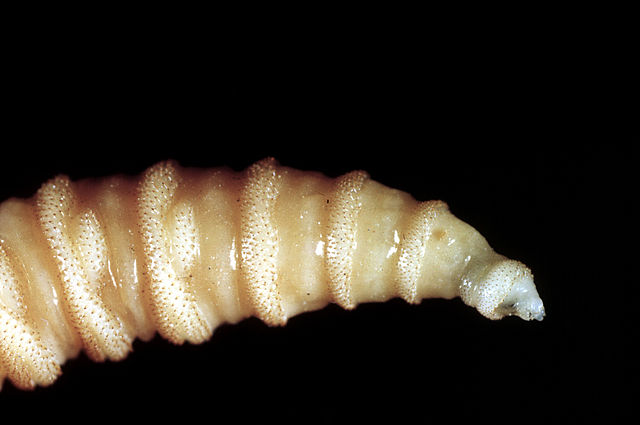
New World screwworm is a parasite particularly devastating to livestock. Female flies lay eggs in wounds, inflamed tissue, mucous membranes and body openings of warm-blooded animals. The larvae hatch within a day and feed on living tissue, producing an infestation called myiasis.
How serious are human screwworm infections in Mexico?
Human infestations can produce painful wounds that expand quickly and may damage muscle, cartilage or bone, according to Ars Technica’s account of the Mexican research. Untreated wounds can also lead to secondary infection, sepsis and, in severe cases, death. Reuters reported that treatment includes removing larvae and thoroughly disinfecting the wound, and that infections are generally survivable when treated early.
The researchers reported six deaths among patients with confirmed New World screwworm myiasis. That count should not be read as six deaths proven to have been caused by the parasite: myiasis was listed as the cause of death in one case. The other patients had serious conditions including cancer, encephalitis, respiratory failure or septic shock, Ars Technica reported.
Who was affected in the study?
Of the 202 cases with usable data, 145, or 72%, involved male patients. Patients ranged from 12 to 93 years old, with an average age of 61. Seventy-seven percent had at least one underlying condition, most often diabetes, alcoholism, cancer or a skin condition.
- Lower limbs, including legs and feet, accounted for 55% of cases.
- Head and neck sites, including the nose, mouth and eyes, were the next most common locations.
- Researchers suggested, without establishing a cause, that work exposure, time outdoors, animal contact, unattended wounds or delayed care could contribute to the higher share among men.
Mexico declared New World screwworm eradicated in 2003. Ars Technica reported that a biological suppression barrier in Panama was breached in 2022, after which Mexico began recording animal cases in 2024. The outlet cited the U.S. Department of Agriculture as reporting more than 36,000 animal cases in Mexico since the resurgence, including nearly 2,000 active cases as of August 5.
The human-case map tracked the reported distribution of animal cases, according to the study. Its authors called for surveillance, diagnostic preparation, controls on animal movement and fly-suppression work before the parasite reaches new areas, coordinated among public-health, agricultural, wildlife and animal-health agencies.
This story draws on original reporting from Ars Technica.