A piercing pillow for earbuds is the latest low-tech workaround for side-sleepers who want audio in bed without buying another pair of tiny, specialized sleep devices. The Verge’s Thomas Ricker reports that a pillow designed for newly pierced ears can also make regular earbuds, including AirPods, Galaxy Buds, and Pixel Buds, more comfortable while lying on one side.
The pitch is not subtle, and that is the point. Sleepbuds from companies including Anker and Ozlo are built to sit close to the ear so people can listen to podcasts, audiobooks, music, or white noise without bothering a partner, Ricker writes. They also cost more than $200, according to The Verge. A pillow, by contrast, does not need charging, does not rely on Bluetooth, and does not have a battery that will wear down after a few years.
What is a piercing pillow for earbuds?
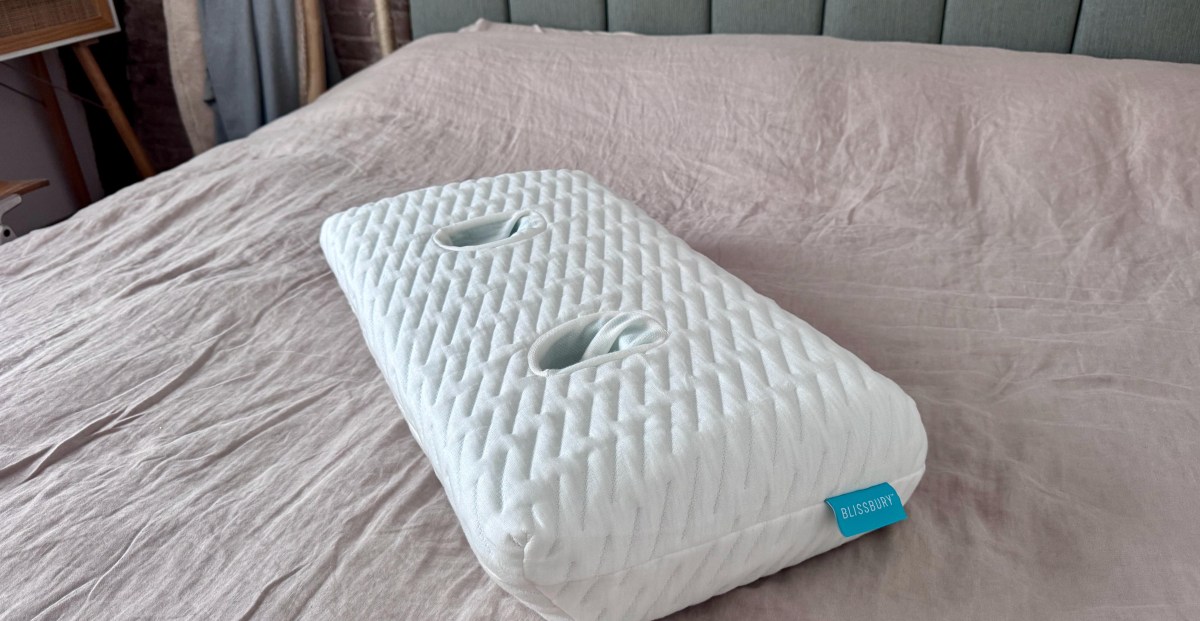
A piercing pillow is a pillow with one or more cutouts where the ear would normally press into the fabric. The original job is straightforward: keep pressure off a newly pierced ear while someone sleeps. Ricker’s observation is that the same empty space can also keep bulkier earbuds from being shoved into the ear canal by the sleeper’s own head.
That mechanism is refreshingly dumb in the best way. The pillow is not doing noise cancellation, sleep tracking, app pairing, or any of the other rituals that make bedside gadgets feel like a second job. It gives the ear and earbud somewhere to sit without taking the weight of the head.
Which pillow did The Verge test?
Ricker says he bought Blissbury’s Ear Pillow, which is listed at $55. He chose it partly because it has two ear openings, giving more flexibility for different side-sleeping positions. The Verge notes that piercing pillows are sold in many shapes, sizes, and firmness levels, so the Blissbury model is one example rather than the only possible version of the idea.
The useful distinction here is between solving the audio problem at the ear and solving it at the pillow. Dedicated sleepbuds shrink the hardware so it is less painful to lie on. A piercing pillow changes the surface under the head, leaving people free to use earbuds they may already own.
Ricker’s recommendation is limited to that comfort use case. The report does not claim a piercing pillow replaces the full feature set of dedicated sleepbuds, such as any sleep-focused software or fit differences those products may offer. It does make a narrower, practical point: if the problem is side pressure from normal earbuds, a cutout pillow may be the cheaper fix.
This story draws on original reporting from The Verge.