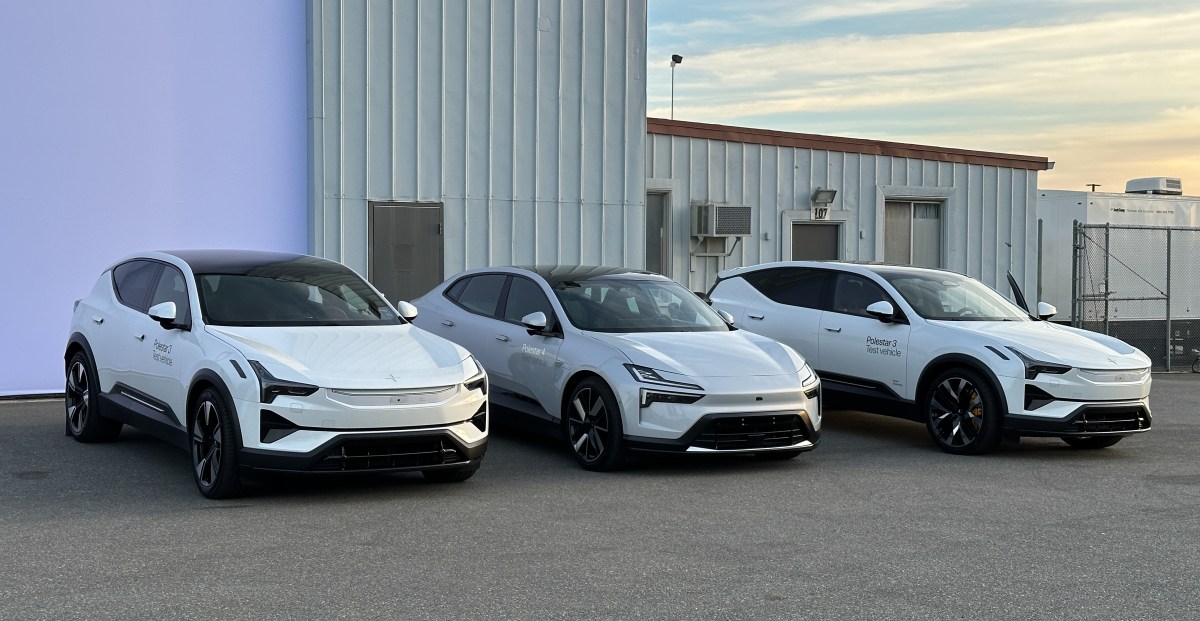
Polestar’s decision to stop selling cars in the United States has left existing owners and dealers with a problem the company’s showroom strategy did not solve: what happens after the brand leaves the sales market.
The Swedish-headquartered EV maker, which is majority owned by China’s Geely, said last month that it would end US vehicle sales beginning with the 2027 model year. The move followed a federal decision denying Polestar authorization to keep selling its cars in the country after a US rule targeting vehicles with Chinese-made connected vehicle software, according to Polestar and federal policy described by The Verge.
For people who already bought or leased the cars, the policy fight has turned into a practical ownership question. The Verge reported that thousands of Polestar owners and dozens of US dealers are now trying to work out whether vehicles will continue to get service, warranty work, and software updates, and what the end of new sales could do to resale values at a time when EV depreciation is already high.
Owners are worried about value and support
DL Byron, a Washington state inventor and content creator, told The Verge he bought a certified pre-owned Polestar 2 only days before the company announced its US exit. Byron said owners were left with no compensation for what he described as a sudden loss of market value on recently bought or leased cars.
Byron said he now has to trust that Polestar will keep its warranty and service commitments. He added: “We deserve better.”
The concern is not abstract. Modern EVs depend on a mix of physical parts, diagnostic tools, dealer access, warranty administration, and software delivery. If a company stops selling new vehicles in a market, owners need more than a vague assurance that the app will still open and someone will pick up the phone. The facts reported so far leave key details unresolved for customers and dealers.
Volvo got a different answer
Polestar’s situation is made more awkward by Volvo’s treatment under the same broader US scrutiny of China-linked auto software. Volvo, like Polestar, is majority owned by Geely. The Verge reported that Volvo received Commerce Department authorization to continue selling vehicles in the United States despite those ownership ties.
Polestar’s separate outcome has frustrated owners who saw the brand as closely connected to Volvo. The company’s “brand within a brand” approach may have helped Polestar borrow familiarity, but it has not produced the same regulatory result in the US.
Polestar has said it will stop US sales starting with the 2027 model year. What owners still need is the less glamorous part: clear terms for repairs, warranties, software updates, lease handling, and dealer support after the sales pipeline shuts off.
This story draws on original reporting from The Verge.