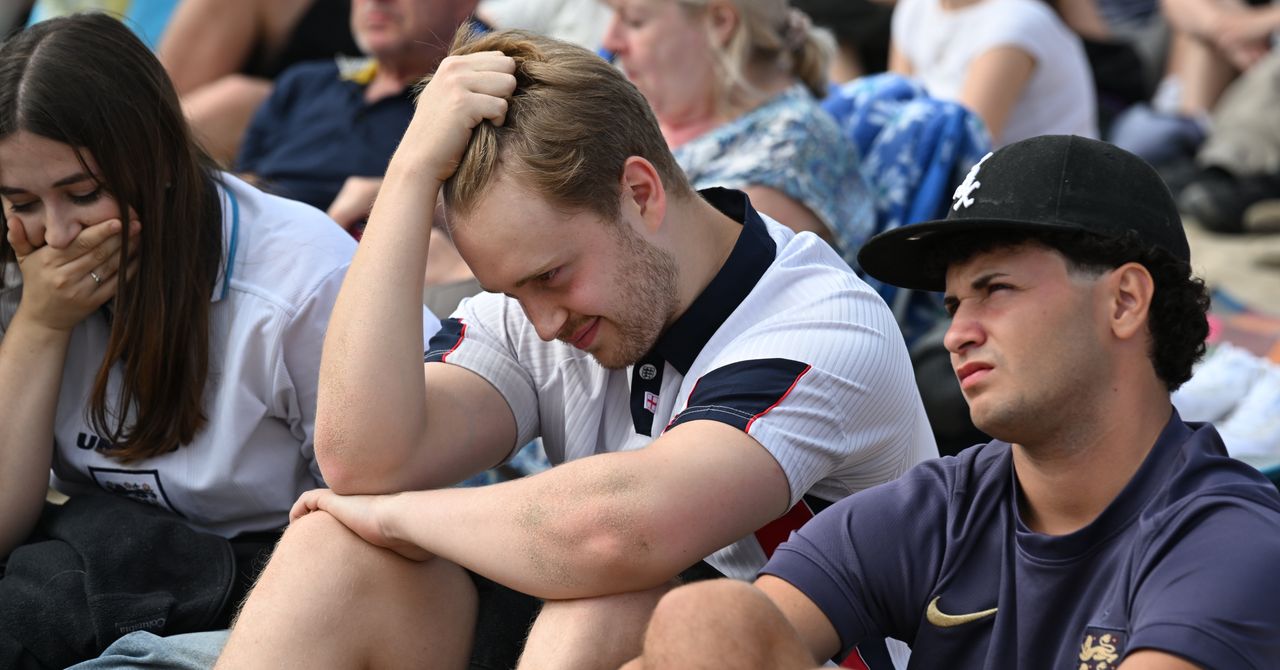
Watching a soccer final is not passive, at least not for the cardiovascular system. Researchers at Bielefeld University in Germany found that fans showed higher physiological stress and faster heart rates during the 2025 German Cup final than they did on ordinary days.
The study followed 229 supporters of Arminia Bielefeld over three months. Participants wore smartwatches that recorded heart rate continuously and generated an estimated stress score from heart rate variability. That gave the researchers a before, during, and after view of what fandom does to the body when the stakes get annoying enough.
According to the Bielefeld team, fans’ physiological stress was about 41 percent higher on the day of the final than on a normal day. Average heart rate rose from 70.9 beats per minute to 78.7 beats per minute, a difference the researchers said remained visible even when they compared the match day with other weekends.
The stress started before kickoff
The body did not wait for the referee. The researchers reported that fans’ stress levels began climbing in the morning, reached their highest point shortly before the match started, and stayed elevated after the final whistle.
The most intense heart-rate readings appeared early in the match, when the result was still open. Once the game seemed settled, heart rates fell. Late goals pushed them back up, even though the researchers said a comeback was practically out of reach. Their reading: the body was responding not only to the statistical odds of winning, but also to attachment, pride, hope, and the other emotional firmware that makes sports rational only in theory.
The stadium hit harder than the sofa
Location changed the load. Fans at the stadium averaged 94.2 beats per minute, while those watching on television averaged 79.4 beats per minute, according to the study. After Arminia Bielefeld’s first goal, heart rates among stadium spectators rose as high as an average of 108 beats per minute.
Alcohol also appeared to push the numbers upward. Participants who said they drank during the match had heart rates about 5 percent higher during the game than fans who did not report drinking, and nearly 12 percent higher after the team’s first goal. The Bielefeld researchers did not measure medical outcomes, but they noted that alcohol can add cardiovascular strain during emotional arousal.
That caveat matters. Smartwatch-derived stress scores are estimates, and this study did not diagnose heart attacks, arrhythmias, or other clinical events. It does, however, show a plausible mechanism: high emotional arousal changes autonomic nervous system activity, which shows up in heart rate and heart rate variability.
Older research points in the same direction
The Bielefeld findings fit earlier work on soccer spectators. A study published in the New England Journal of Medicine after the 2006 World Cup in Germany found that acute cardiovascular events nearly tripled during German national team matches among people with preexisting heart conditions.
Other research cited in the report has linked decisive matches with increases in stress hormones such as cortisol. Studies have also found stronger biological responses among fans who identify more closely with their team.
The practical takeaway is modest but useful: a final can make spectators’ bodies behave as if they are doing more than sitting, shouting, and refreshing group chats. The players run the kilometers. The fans, according to Bielefeld University’s data, still make their hearts clock in.
This story draws on original reporting from WIRED.