SpaceX may attempt a Starship tower catch on the vehicle’s next test flight after Flight 13 ended with the upper stage intact and floating in the Indian Ocean, according to Elon Musk. The decision would move the Starship program from controlled water landings toward the harder problem SpaceX actually needs to solve: getting the ship back to its launch site for reuse.
Musk wrote on X on Friday evening that SpaceX would try to catch the ship with the tower on the next flight unless a review of mission data turns up problems. SpaceX has already caught the Super Heavy booster using mechanical arms on the launch tower, but catching Starship is a different job. The ship returns from much higher speed after reentry, then must slow, hover and line up with the tower hardware.
Will SpaceX try a Starship tower catch next?
SpaceX’s stated plan, according to Musk, is yes, if the post-flight review supports it. That would likely require sending Starship on a longer trajectory, possibly into low Earth orbit, so it can return to the Texas launch site rather than dropping into the ocean west of Australia.
Flight 13 launched from Starbase, Texas, at 5:51 p.m. CDT on July 24. The 408-foot vehicle, made up of Starship and its Super Heavy booster, flew east after liftoff on thrust from 33 methane-burning Raptor engines. The booster separated after its main burn, while Starship continued toward space on a roughly hour-long suborbital flight.
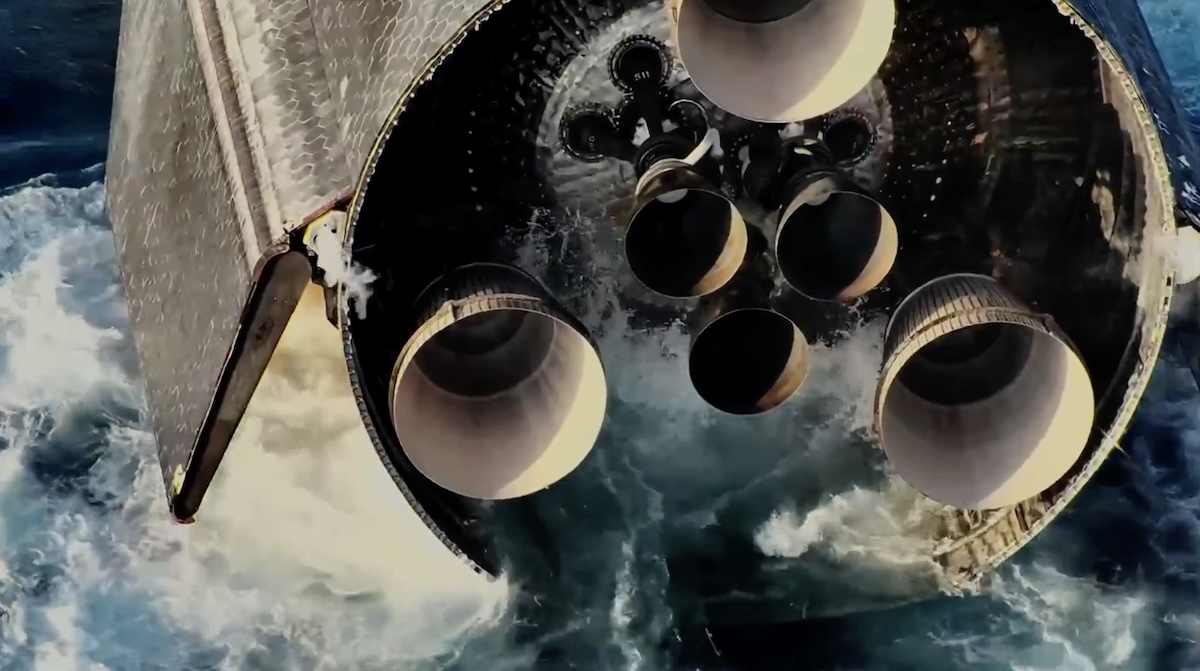
The upper stage’s ending was the useful part. Previous Starship splashdowns have produced fires or vehicle loss in the water. This time, SpaceX’s ship reached its target zone in a remote part of the Indian Ocean, tipped over gently and remained afloat. SpaceX received data through its Starlink network after splashdown, and onboard camera views showed no obvious external damage to the six Raptor engines as water moved around the vehicle.
Why the intact splashdown matters
Starship’s heat shield is one of the program’s least forgiving engineering problems. The vehicle uses more than 18,000 ceramic tiles to protect its stainless steel structure during reentry, when temperatures reached up to 2,600 degrees Fahrenheit, according to the company’s flight coverage.
SpaceX communications manager Dan Huot said during the company webcast that putting an intact Starship in the water was a “dream scenario” for the team seeking heat-shield data. He also said the shield appeared largely intact after the vehicle had flown through higher dynamic pressure than before, which put more stress on the ship during ascent.
SpaceX could tow the vehicle to shore, likely in Australia, for closer inspection. That would not make this particular ship reusable, since Starship is not designed to fly again after sitting in salt water. The value is in the hardware evidence: tiles, structure, engines and sensors that survived the trip.
What failed on Flight 13?
The upper stage checked off several major objectives, but the Super Heavy booster did not complete its planned controlled splashdown in the Gulf of Mexico. SpaceX said the booster completed the high-thrust part of its boostback burn with all 33 engines, the first time for Super Heavy Version 3, but the burn ended early. A subset of engines relit for the landing burn before the booster hit the water at high speed.
SpaceX had similar trouble with booster splashdown on the previous flight in May. The company has recovered and reflown Super Heavy boosters from the Version 2 design twice, but has not yet done so with Version 3.
Starship also deployed 20 Starlink V3 satellites through its side-mounted dispenser. SpaceX said ground teams contacted each satellite by radio and laser links and downloaded telemetry before the satellites reentered and burned up on the same suborbital path as the ship. The V3 satellites are larger and heavier than Starlink V2 spacecraft, and SpaceX says they will not fit on the Falcon 9 rocket.
After deployment, SpaceX restarted one of Starship’s Raptor engines for about 14 seconds, a test the company described as a core capability for future orbital missions. For NASA, orbital Starship flights matter because SpaceX must demonstrate in-space refueling for Artemis lunar missions. That plan requires two Starships to dock in orbit and transfer methane and liquid oxygen through automated couplers, then repeat the process enough times to send a fueled ship toward the Moon.
This story draws on original reporting from Ars Technica.