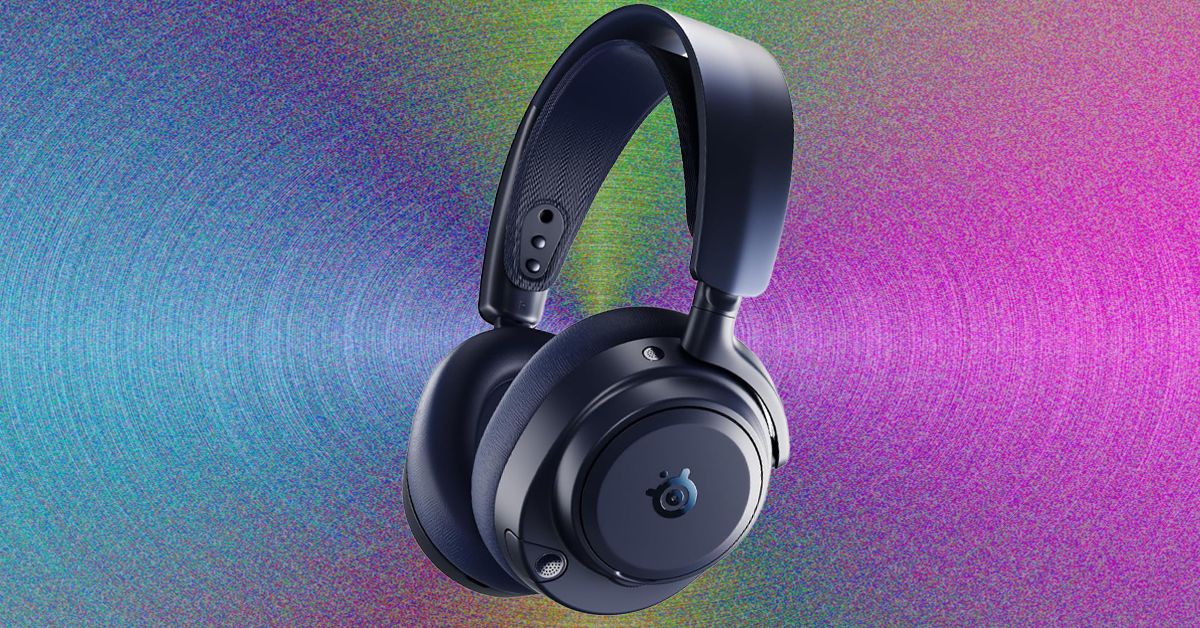
WIRED’s Steelseries Arctis Nova Pro Omni review frames the $400 gaming headset as a premium option for players who run more than one audio source at a time. Reviewer Brad Bourque gave it an 8/10, citing balanced sound, strong features and a narrow audience: people whose desks already look like a small esports control room.
The Arctis Nova Pro Omni borrows from two other high-end SteelSeries headsets, according to Bourque. It uses the plastic-and-steel construction associated with the Nova Pro, while taking newer tuning, active noise canceling, microphones and the USB hub approach from the more expensive Nova Elite. WIRED’s verdict is that SteelSeries has made a convincing headset, even if the company now has three “Pro” gaming headsets above $300, which is a lot of Pro for one product shelf.
What does the SteelSeries Arctis Nova Pro Omni do differently?
The main trick is multisystem mixing. In plain terms, the headset’s USB hub can take audio from several devices and let the user hear and balance them together. Bourque says the Omni can mix as many as four inputs, compared with two on the older Pro model.
That means a player could use a console for the game, a PC for Discord and a phone or tablet for Bluetooth music at the same time. WIRED says the microphone can also send audio to more than one destination, which covers edge cases such as staying in a Discord call while also speaking in a game’s proximity chat.
The review also highlights SteelSeries’ swappable battery system. The headset includes two batteries, and the USB hub has a charging slot for the spare. When one runs low, the user can swap in the charged pack. Bourque says the headset can reconnect automatically if the swap happens quickly enough. A USB-C charging port sits under an earcup cover for times when the hub is not nearby.
Sound, mic and comfort
Bourque says the Omni uses the same 40-millimeter drivers as the Nova Pro, but changes in tuning and processing improve the result. He credits SteelSeries’ software profiles with helping game audio stand out, and says the active noise canceling is closer to the Nova Elite than the older Pro.
For music and movies, WIRED heard a clearer improvement over the Nova Pro. The Omni supports wireless hi-res audio, which Bourque says may have limited value for gaming alone, though it helps users who listen to music while they play.
The microphone is now omnidirectional, according to the review. Bourque found it cleaner than most gaming headset microphones, while saying Razer’s BlackShark V3 Pro sounded slightly sharper. He also said both headsets handled common background noise such as coughing, chair movement and a dog bark well.
Comfort remains a strength. WIRED says the Nova line’s suspended support strap reduces pressure during long sessions, and the Omni’s earcups are thicker and more padded than the older Pro. The headset comes in a dark blue finish, though not the sage-and-gold color reserved for the Nova Elite.
Should you buy the SteelSeries Arctis Nova Pro Omni?
Bourque’s advice is restrained. The Omni makes sense for buyers who need three or four simultaneous audio sources and want the battery-swap system. Existing Nova Pro owners have little reason to upgrade unless the extra inputs are the point.
WIRED notes that the older Nova Pro was available for $280 at Best Buy at the time of review, while the Omni was listed at $400 through Amazon, Best Buy and SteelSeries. Bourque says the Nova Elite costs another $200 and mainly adds more premium materials, including carbon fiber and brass, plus its exclusive color. The Omni lands in the middle: expensive, capable and best suited to gamers whose audio setup has already escaped containment.
This story draws on original reporting from WIRED.


