Teens skeptical of AI are not a niche of unplugged holdouts, according to polling and reporting cited by WIRED. Many young people still use chatbots for schoolwork or companionship, but their comfort with the tools is running alongside a pretty obvious eye-roll at the marketing campaign wrapped around them.
Market research firm YPulse found that 37 percent of teens ages 13 to 17 cringe when they encounter AI-generated content such as music and video. The firm also found that more than half of teens are concerned about misinformation and deepfakes, the synthetic media problem that tends to arrive right after every cheerful demo reel.
The picture is not cleanly anti-AI. A Pew Research report cited by WIRED found that chatbot use among American teens is already common, and many teens believe AI could help them personally. At the same time, more than a quarter of teens in Pew’s research said AI will harm society over the next 20 years.
Why are teens skeptical of AI?
The concerns Pew recorded are not abstract vibes. Teens pointed to job losses, weaker critical-thinking skills and environmental effects as reasons they expect broader social damage from AI. That is a fairly adult list of anxieties for a generation often presumed to accept whatever new consumer technology is shoved into the app drawer.
Melanie Green, a communications professor at the University at Buffalo, told WIRED that AI is different from earlier waves of consumer tech adoption. In her view, the pushback is not mainly a parent-led panic about what kids are doing online. Young people are reacting to the way adults and technology companies are selling AI to them, while also understanding that their generation may live with the disruption longest.
Large language model chatbots are the consumer-facing systems behind much of the current AI boom: tools that generate text, answers and conversation-like responses. The products are being pitched into schools, social apps and creative tools at the same time teenagers are being warned about cheating, fake media and whether human-made work will still matter.
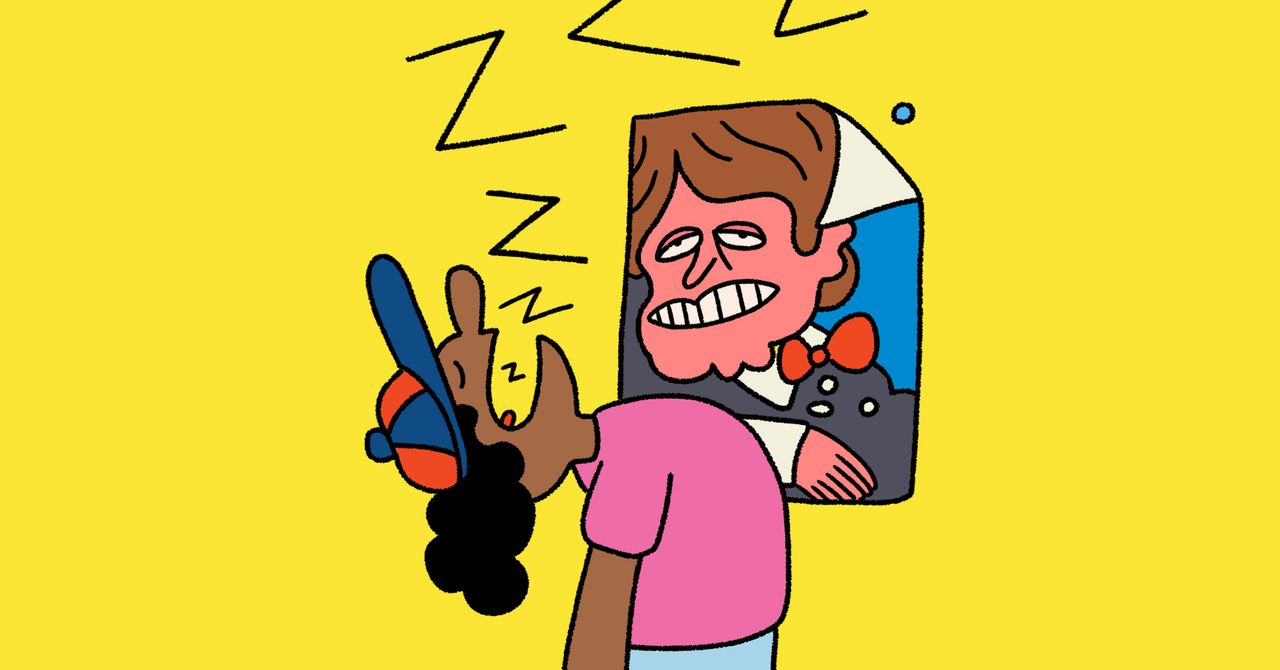
WIRED reported that this skepticism is showing up in everyday language. On Bluesky, parents have described children using “that’s AI” as a shorthand insult for something fake or low-quality. On Reddit, educators have said students who use AI tools still worry about their effects and often dislike AI-generated art.
Those anecdotes are not polling data, and they should be treated as such. The harder numbers from YPulse and Pew point to the same tension, though: adoption is high, enthusiasm is uneven, and the sales pitch is wearing thin.
That makes the youth response less of a contradiction than it first appears. Teenagers can use chatbots because the tools are available and useful in some situations, while still rejecting the idea that every generated song, video, essay helper or companion bot is automatically cool. The technology companies may have shipped the feature. They have not shipped the cultural permission slip.
This story draws on original reporting from WIRED.