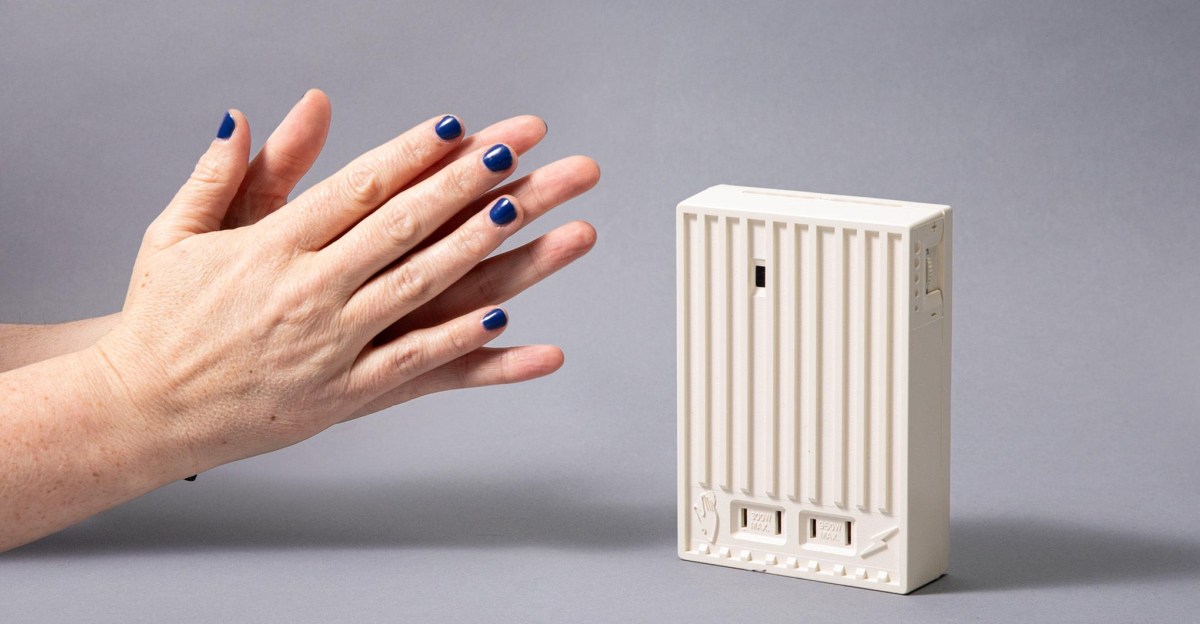
The Verge has wrapped the fourth season of its Version History podcast with an episode about The Clapper, the sound-triggered outlet accessory best remembered for turning lamps on and off with applause. The hook is not subtle: according to The Verge’s David Pierce, the gadget was unreliable and could even damage electronics connected to it, yet it still became a consumer-tech fixture.
The device’s appeal was easy to understand. It promised a form of home automation that did not require an app, a hub, a password, or a support forum full of people insisting your Wi-Fi channel was wrong. Clap, and the thing switched power. Clap again, and it switched back.
The messy part was the listening. Pierce describes a device that depended on a narrow rhythm: clap, wait briefly, then clap again before it stopped paying attention. Miss the timing, clap too softly, or wait too long, and the command could fail. That is primitive input recognition dressed up as domestic magic, which is a very familiar smart-home problem wearing older plastic.
The episode traces The Clapper back to an earlier name, The Great American Turn-On, and discusses the advertising that helped make the product famous. The Verge points listeners to one of the product’s well-known commercials, a reminder that the line between useful hardware and memorable marketing has been blurry for a long time.
Pierce and Victoria Song host the episode, joined by Allison Marsh, a writer and professor at the University of South Carolina. The conversation, as described by The Verge, is aimed at sorting out whether The Clapper should be remembered as a worthwhile product, a great ad campaign, or some ungainly combination of both.
A season about familiar gadgets
The Clapper episode is the sixth and final installment of Version History season four. The Verge says the season also covered the Harmony universal remote, Roomba, Nest thermostat, Keurig coffee maker, and Philips Hue smart lights. That lineup is basically a museum shelf of consumer tech that promised to make the home less annoying, then introduced its own very specific annoyances.
The show is taking a short break while the next set of episodes is prepared, according to The Verge. Listeners can follow the podcast through its main feed, its YouTube channel, and its TikTok and Instagram accounts. The Verge also says subscribers can access Version History and its other podcasts without ads through account settings.
The Clapper’s place in gadget history is awkward in the useful way. It showed that people wanted household devices to respond to simple commands. It also showed that simple commands are only simple when the hardware understands them reliably. Decades later, that is still the part smart-home companies keep trying to sell past.
This story draws on original reporting from The Verge.