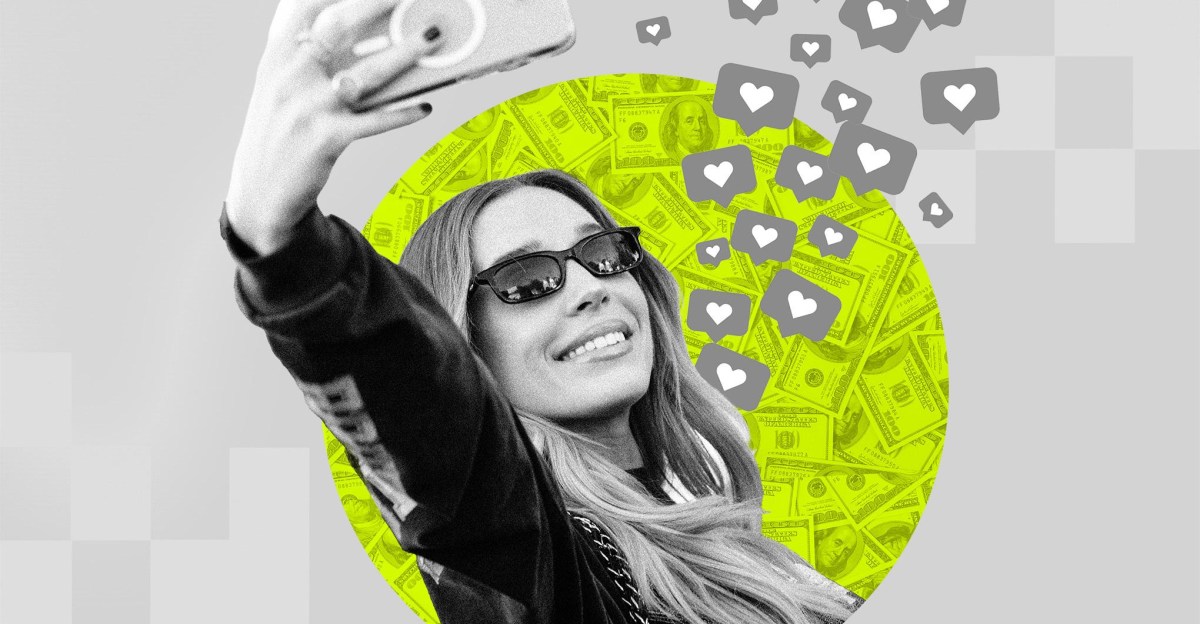
United Talent Agency is treating top internet creators less like people waiting for Hollywood to call and more like small media companies that need operating systems of their own.
In an interview on The Verge’s Decoder podcast recorded at the Cannes Lions advertising festival, Ali Berman and Raina Penchansky, co-heads of UTA’s Creators division, described a representation business that now stretches well beyond negotiating sponsorships. Their division works with creators and influencers including Charli D’Amelio, Markiplier, Kai Cenat, Emma Chamberlain, Alex Cooper and Alix Earle, according to host Nilay Patel.
The useful bit is the mechanism. A creator with a large audience is no longer just selling posts against a platform feed. UTA says its creator operation connects brand partnerships, product development, data and analytics, events, audio, books, television and other extensions around a client’s audience. That is the work old media companies used to centralize inside their own walls. In the creator version, the audience sits with the individual, and the infrastructure gets assembled around them.
From posts to products
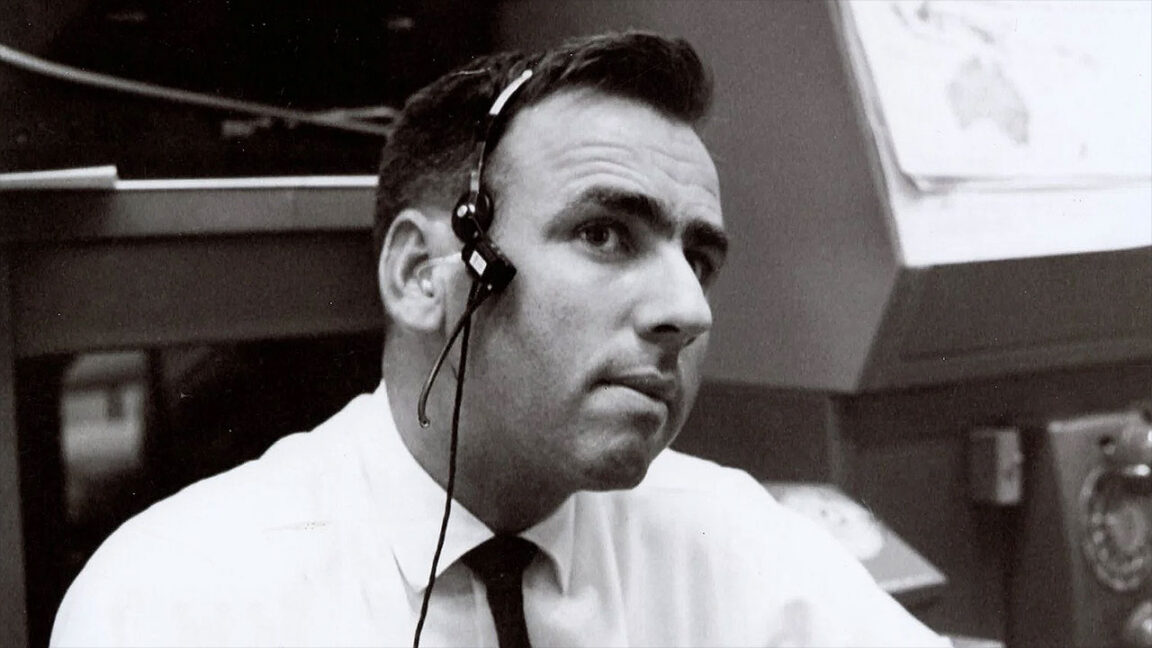
Berman said she is entering her 16th year at UTA and started on the agency’s more traditional literary side before moving into what was then a digital department, a bucket for work outside conventional film and TV. She said UTA has been building what it now calls its Creators division for 20 years.
Penchansky came from Digital Brand Architects, the creator management company she co-founded 16 years ago, before Instagram launched. UTA acquired DBA in 2019. Penchansky remains CEO of DBA while also co-heading UTA Creators with Berman and Oren Rosenbaum, who Berman said built similar work on the audio side.
Penchansky described a split between management and agency work, though not a clean one in practice. In her telling, managers deal with the day-to-day work of content, perception, strategy and the creator’s many side projects. Agents focus more on the business opportunities. The catch, as usual with creator businesses, is that the person at the center may be filming, selling, hosting, licensing and launching a product in the same week.
Berman said brand deals used to define many creator businesses. She argued that most of UTA’s creator clients now do more than endorsements. That claim fits the broader pitch from agencies at Cannes: creators have audiences that advertisers want, and the agencies want to turn those audiences into durable revenue lines before the next algorithm change ruins everybody’s spreadsheet.
Platforms remain the unstable layer
Patel pressed Berman and Penchansky on the dependence creators have on platforms such as TikTok, YouTube and Instagram, where distribution rules can change without asking the people whose businesses rely on them. The interview also touched on AI and virtual creators, with Patel noting that UTA represents some VTubers.
The two executives presented themselves as calm about those pressures, though calm is also what talent agents sell when the ground is moving. The concrete shift they described is easier to verify: UTA is building teams around creators that look less like old Hollywood representation and more like outsourced business infrastructure.
That model still leaves hard questions. Platforms control reach. Audiences can move. Product launches can fail. A creator’s name can carry a business only as far as fans keep caring. But the agency business has clearly noticed where the attention went, and UTA’s Creators division is trying to collect a fee from what gets built on top of it.
This story draws on original reporting from The Verge.