The vertical video takeover is less a design trend than a surrender to how people actually hold phones, according to David Pierce, editor-at-large at The Verge. In a July 26 edition of his Stepback column, Pierce argues that TikTok, Instagram and YouTube reached their current position by adopting and refining the same upright, phone-first video grammar.
Pierce frames the shift as a collapse of older platform identities. YouTube began as a place for TV and movie clips and for a growing creator class. Instagram was associated with photos. Netflix was positioning itself as an on-demand version of premium television. Facebook centered on friends, Twitter on news and Snapchat on messaging.
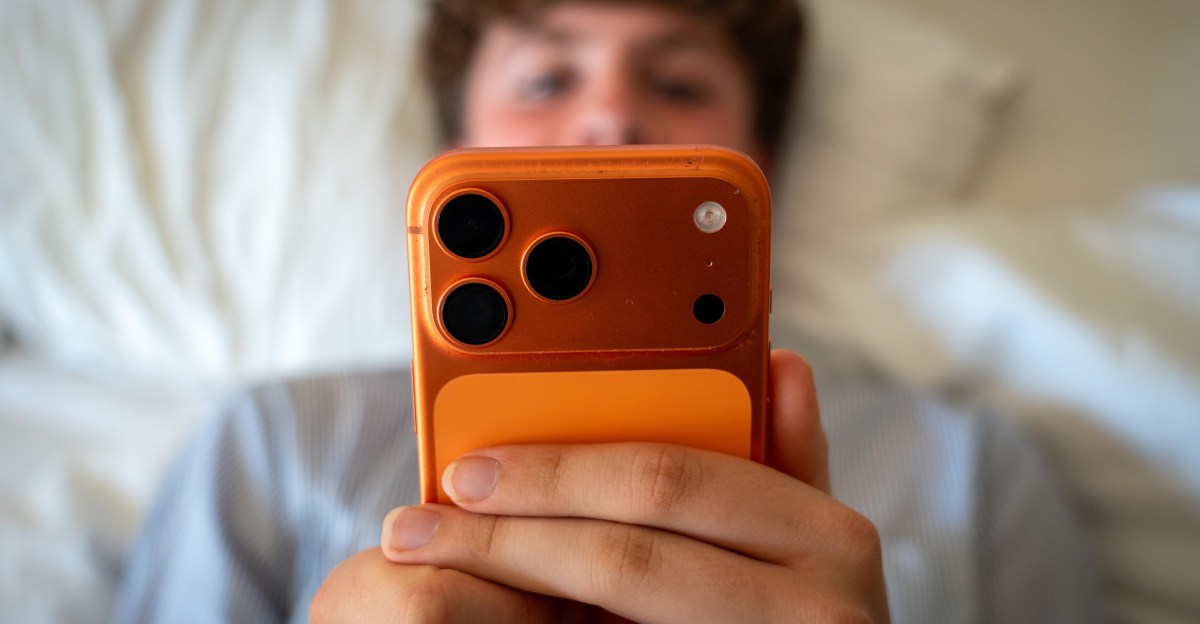
The common variable, Pierce writes, was the smartphone. As billions of people came online through handsets, they produced media shaped by the devices in their hands: narrow, tall screens usually held upright. The hardware did not politely ask entertainment companies to adapt. It just sat in people’s palms until the apps changed around it.
Why did vertical video take over?
Vertical video took over because phones are mostly used upright, and content that fills the screen in that position feels native to the device. Pierce points to selfies as an early example: vertical framing worked better on the screen and was easier to capture without rotating the phone.
The format had plenty of detractors. Pierce notes that critics argued for years that people see across a horizontal field and that upright footage looked awkward on widescreen computers. That objection made sense for laptops and televisions. It made less sense once the phone became the primary camera, editing bay and viewing screen for a vast number of users.
Pierce credits Snap with recognizing the phone-native media shift before rivals. The column’s broader claim is that TikTok, Instagram and YouTube later converged on the same basic idea: vertical, swipeable entertainment built for the shape and habits of smartphones.
That convergence matters because it marks a change in who gets to define video. For decades, television and cinema trained viewers to expect horizontal frames. Smartphone platforms trained users to expect full-screen vertical feeds, fast creation tools and entertainment that does not require turning the device sideways like some tiny act of obedience to a dead camcorder manual.
The Verge’s account is analysis, not a company announcement. It does not claim that every platform became identical, or that horizontal video disappeared. Pierce’s point is narrower and more durable: the winning consumer video format followed the dominant consumer device, and the largest social and streaming platforms copied what worked.
This story draws on original reporting from The Verge.