WIRED has updated its 2026 backpacking water-filter guide, and the practical takeaway is not glamorous: most hikers in the US should carry a physical filter that can block bacteria and protozoa before stream water gets anywhere near a bottle.
Scott Gilbertson, who wrote the guide and photographed several of the products, says backcountry water can contain giardia, cryptosporidium, E. coli, salmonella and other organisms capable of wrecking a trip with impressive efficiency. His recommendations focus on portable filters rather than elaborate treatment systems, because weight, speed and field maintenance matter when everything lives in a pack.
The top picks
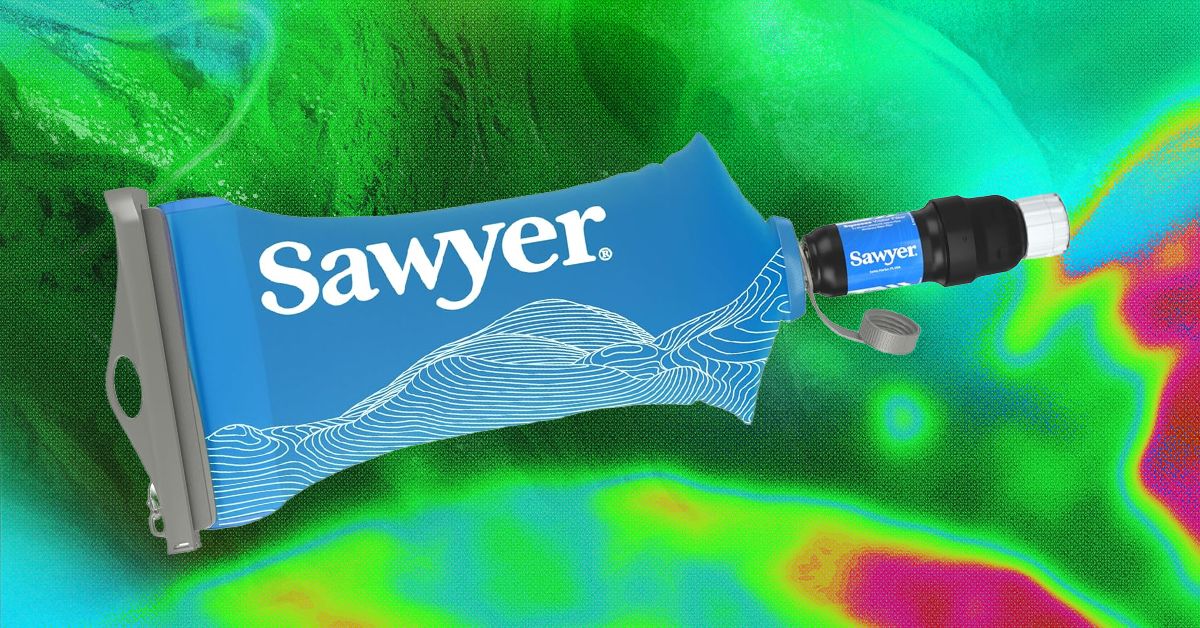
Gilbertson names the Sawyer Squeeze Water Filter as the best choice for ultralight hikers and backpackers. The $46 filter weighs 3 ounces, uses a 0.1-micron hollow-fiber membrane and is rated by Sawyer for up to 100,000 gallons before replacement. It also screws onto common 28-mm soda bottles, which is the sort of boring compatibility win that becomes less boring when a soft bladder fails in the middle of nowhere.
In Gilbertson’s testing, a Sawyer Squeeze paired with a 2-liter Cnoc VectoX dirty-water bladder and Smart Water bottles produced 2 liters of clean water in about four minutes when squeezed. Hung as a gravity system, the same setup took about six to eight minutes with a freshly cleaned filter. The catch is cleaning: a proper backflush uses Sawyer’s included syringe, which Gilbertson calls bulky enough to be annoying. He says the filter can run about seven days without cleaning when water sources are relatively clear.
For hikers who prize convenience, Gilbertson picks the $40 Katadyn BeFree. The filter and collapsible bottle together weigh 2.3 ounces, also use a 0.1-micron hollow-fiber membrane and can move about 2 liters per minute when clean, according to the guide. The whole trick is that the filter sits inside the cap: scoop water into the soft bottle, screw it shut and drink.
The BeFree’s speed is the headline feature, but Gilbertson flags two caveats. The included soft bottle feels less durable than some alternatives, and the 42-mm cap thread is less common than the 28-mm size used by many bottles. He also notes reports from other users about premature clogging, though he says he has not seen that problem in his own testing.
For groups, WIRED recommends the $140 MSR AutoFlow XL Gravity Water Filter. It weighs 12 ounces, holds 10 liters in its dirty-water bag and filters by gravity rather than pumping. Gilbertson says it flows at about 1.5 liters per minute when clean, with a 1,500-liter filter capacity. Replacement filters cost about $50, and sediment can clog the system quickly because it processes a lot of water at once.
The guide also lists the $70 MSR Trailshot as its pick for shallow water, though the available details name only the category and price.
Filters are not purifiers
Gilbertson draws a line between backpacking filters and purifiers. Filters force water through tiny pores to remove many bacteria and protozoa, the main concern in many US backcountry sources. Purifiers use chemicals such as iodine, or ultraviolet light, to kill organisms, including viruses that are too small for many filters.
His buying checklist is refreshingly unromantic:
- Keep weight and packed size low without undersizing the job.
- Check flow rate, then assume it will slow as the filter clogs.
- Know how the filter is cleaned in the field.
- Separate dirty and clean containers to avoid cross-contamination.
- Prefilter silty water with something like a bandana to extend filter life.
- Do not let many filters freeze, because ice can damage the filter element.
That is the backcountry water stack in one sentence: remove grit, block the bugs you can, chemically treat when viruses are a realistic risk, and read the manual before the creek is your only option.
This story draws on original reporting from WIRED.