WIRED’s editors have put backpacking quilts ahead of sleeping bags for much of their 2026 ultralight sleep-system guidance, a useful callout for hikers trying to cut pack weight without spending the night shivering like a poorly planned beta test.
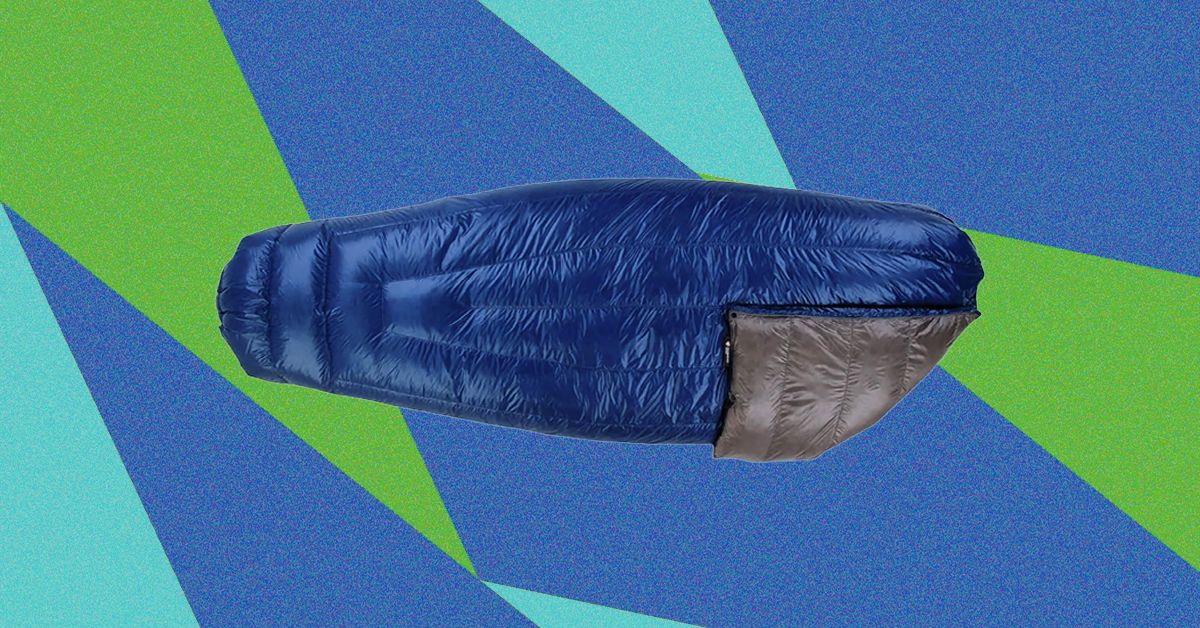
The guide says the basic case for a quilt is mechanical, not mystical. In a sleeping bag, the down under a sleeper gets crushed by body weight and stops doing much insulating. A quilt removes that bottom layer, sits over the sleeper, and usually packs smaller and weighs less than a comparable bag.
WIRED still draws a hard line around cold weather. The reviewer says quilts can leak cold air because they do not wrap fully around the body, and most lack hoods. For winter skiing or snowshoeing, the guide recommends a subzero sleeping bag. The reviewer says a sleeping bag comes out any time expected temperatures fall below 20 degrees Fahrenheit.
The main picks
For warm-weather ultralight trips, WIRED names Enlightened Equipment’s Revelation Quilt in the 40-degree version as its top choice. The tested model costs $370, uses 850-fill-power down, and weighs 19 ounces, according to the guide.
Enlightened Equipment does not use separate comfort and lower-limit ratings for this quilt, according to WIRED. Instead, the company recommends choosing a quilt rated 10 degrees warmer than the lowest temperatures expected. The reviewer says the 40-degree Revelation kept them warm to around freezing while wearing a base layer, with a puffy jacket needed if conditions got colder.
The Revelation can open flat, and its footbox uses a 20-inch zipper plus a drawstring so it can be closed around the feet. WIRED also notes pad straps that loop around a sleeping pad and clip to the quilt. The quilt is sold in ratings from 50 degrees down to 0 degrees, with multiple lengths, widths, and 850- or 950-fill down. Models rated below 30 degrees can be ordered with a draft collar, and Enlightened Equipment also offers a custom version made in the US.
For shoulder-season trips, WIRED’s pick is Zenbivy’s Light Bed system. The listed 25-degree Light Quilt costs $329 in large, while the Light Sheet is listed at $139. The reviewer says their preferred setup is more customized: a 10-degree Light Quilt convertible version paired with the half sheet and hood from Zenbivy’s Ultralight Bed. That combination weighed 2 pounds, 3 ounces on the reviewer’s scale and cost $538.
Zenbivy’s system is less of a loose blanket and more of a modular quilt rig. The Light Quilt connects to the sheet with color-coded hook-and-loop attachments. The sheet fits over the sleeping pad, side baffles connect upward to the quilt to cut drafts, and the hood adds warmth around the head.
For a lower-cost option, WIRED picks REI Co-op’s Magma 30 Down Trail Quilt. It lists for $329, but the guide says it often drops below $250 during sales. The long, wide version tested weighed 24 ounces. WIRED says it uses a 15-denier recycled ripstop nylon shell and 11.6 ounces of 850-fill-power down.
The REI quilt has a zippered footbox with a drawstring and does a respectable job blocking drafts, according to the guide, though its straps are described as less refined than Enlightened Equipment’s. The reviewer says they used it around 25 degrees Fahrenheit with a lightweight puffer jacket and found the 30-degree rating conservative. One warning: WIRED says it runs small.
WIRED also lists Feathered Friends’ Flicker UL as its long-haul quilt pick at $589, though the available guide text gives no additional testing detail beyond that selection and price.
The guide discloses that WIRED independently selects featured products but may receive retailer compensation or affiliate revenue from purchases made through its links.
This story draws on original reporting from WIRED.