WIRED’s January 2026 smartwatch guide puts Apple and Google at the front of the wrist-computer pile, while also reminding buyers that the boring bits, batteries, chargers and straps, still decide whether a wearable is useful or just another thing begging for attention.
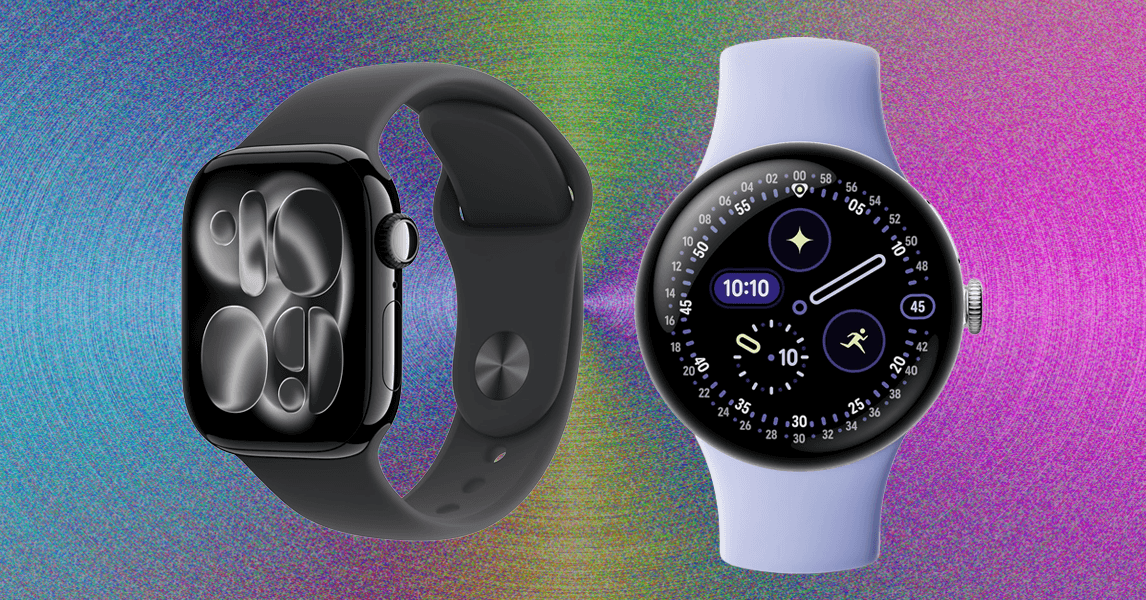
The publication named Apple Watch Series 11 its preferred smartwatch for iPhone users and Google Pixel Watch 4 its top pick for Android users. It also highlighted Samsung’s Galaxy Watch8 and Watch8 Classic for Samsung phone owners, and Garmin’s Vivoactive 6 as its fitness-focused smartwatch pick.
WIRED says its editors independently choose the products it covers, while disclosing that it may receive compensation from retailers or purchases made through its links. That is the usual affiliate-commerce bargain: useful testing, wrapped around shopping links. Read accordingly.
Apple’s main upgrade is battery life
For iPhone owners, WIRED’s Boutayna Chokrane points to the Apple Watch Series 11, which starts at $399 from Apple. The guide lists 42-mm and 46-mm case sizes, iOS compatibility, cellular and Bluetooth/Wi-Fi versions, and Apple’s proprietary strap system.
The change WIRED treats as the most practical is battery life. Apple moved the Series 11 from the older 18-hour rating to 24 hours, according to the guide. That matters for sleep tracking because a watch that dies overnight is, technically speaking, a bracelet.
WIRED also flags hypertension notifications as a major addition. The feature is FDA-cleared, according to the guide, and requires 14 days of wear before alerts begin. WIRED cites the CDC’s estimate that nearly half of U.S. adults have high blood pressure, a condition associated with increased risk of stroke and heart disease. The guide also cautions that the Series 11 should not be used to diagnose hypertension.
Other listed health features include heart-rate tracking, irregular heart-rate notifications, sleep apnea notifications, blood oxygen sensing, skin temperature sensing, electrocardiogram support, sleep tracking, cycle tracking, fall detection, and crash detection. WIRED says Sleep Score is new and that blood oxygen sensing has returned.
The older Apple Watch Series 10 is not out of the discussion. WIRED says some Series 11 features, including hypertension notifications and Sleep Score, also arrive on the Series 10 through software, making a discounted older model worth considering.
Google gets repairability on the board
For Android users, WIRED’s pick is the Google Pixel Watch 4. The guide lists the 41-mm model at $350 and the 45-mm version at $400 through retailers including Amazon, Best Buy, and Google’s store.
The headline technical change is repairability. WIRED says the Pixel Watch 4 is Google’s first repairable smartwatch, with replaceable battery and display parts available through iFixit. That is a low bar for watches this expensive, but clearing it still beats sealing the thing shut and calling waste a design language.
WIRED says the Pixel Watch 4 uses Qualcomm’s Snapdragon Wear W5 Gen 2 chip and Google’s Material 3 Expressive interface. The guide credits the watch with accurate health and fitness tracking, revised sleep tracking, emergency satellite messaging on the cellular model, and at least a day and a half of battery life on the 45-mm model.
Charging is fast, according to WIRED, with more than 50 percent charge possible in 15 minutes on the new dock-style charger. The catch is familiar: WIRED notes this is Google’s third charger change in four Pixel Watch generations, so older cables do not work.
Google’s Raise to Talk feature for Gemini also gets attention. WIRED says users can lift a wrist and speak to the assistant for tasks such as checking weather, starting workouts, or controlling smart-home devices. The guide calls the gesture unreliable at times, while saying it avoids a wake word or button press.
Trackers, rings, and straps
WIRED draws a clear line between categories. Smartwatches run apps, handle richer notifications, take voice assistant requests, and usually last a day or two. Fitness trackers offer fewer apps and responses but can last days or about a week. Smart rings trade screen-based functions for longer battery life and passive health tracking.
The guide also tells buyers to check strap systems before treating a watch like a normal watch. Apple Watch, Google Pixel Watch, and newer Samsung Galaxy Watch models use proprietary straps, according to WIRED. Other devices may accept standard analog watch straps if the lug width matches.
There is a materials caveat. WIRED cites a December 2024 study that found high concentrations of perfluorohexanoic acid, a PFAS compound, in many smartwatch and fitness-tracker bands made from fluoroelastomer. The study said skin absorption remains poorly understood. WIRED says tested brands included Apple, Casetify, Fitbit, Google, and Samsung, and suggests shoppers concerned about PFAS choose materials such as silicone, metal, or leather instead.
This story draws on original reporting from WIRED.