WIRED has refreshed its hiking boot recommendations for 2026 after a reviewer tested more than 50 pairs of outdoor shoes over the past year, a useful data point for anyone trying to buy footwear in a category that now ranges from old leather tanks to featherweight trail runners.
The testing, according to WIRED, covered short dog walks, multi-day hikes on rough coastal paths, thru-hiking with loaded packs and some glacier travel. That does not make the list a lab-grade verdict on every foot, gait and trail surface. It does mean the picks were worn outside, which is more than can be said for plenty of gear marketing.
WIRED said its editors choose products independently, while also disclosing that it may earn compensation from retailers or from purchases made through its links. The July 2026 update added the Hoka Kaha 3 GTX, Salomon X Ultra 5 Mid Gore-Tex, Keen Targhee Apex, Mammut Duncan III Low GTX, Altra Lone Peak 9+ and Danner Mountain 600, along with revised prices and links.
The main picks
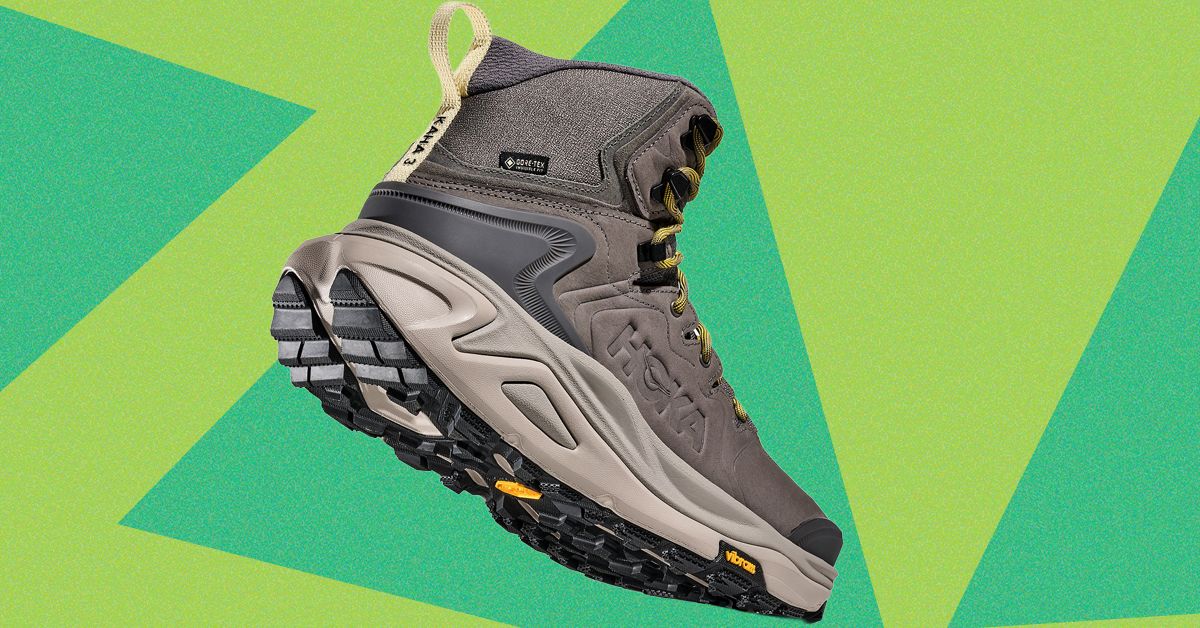
WIRED named the Hoka Kaha 3 GTX its preferred modern hiking boot. The boot is listed at $240 for men’s and women’s versions at REI. The reviewer described it as large on-foot, heavily cushioned and comfortable over long days with or without a pack.
The mechanics are straightforward: Hoka uses a very thick dual-density midsole, a Gore-Tex Invisible Fit waterproof liner, 4-millimeter lugs and a Vibram Megagrip outsole. WIRED said the outsole handled mud, rock and trail surfaces well. The trade-off, according to the reviewer, is less precision on awkward ground and warmer feet after sustained effort. The higher cut, tall lacing and metal hooks also made the boot feel more supportive, though WIRED noted that evidence for boots reducing ankle injuries is limited.
The Danner Mountain 600, priced at $250 at REI, was the boot the reviewer said they kept returning to. WIRED described the 4.5-inch boot as a modernized take on a traditional hiking boot, with an EVA midsole, leather upper and Vibram Megagrip outsole. On a three-day hike along the Devon and Cornwall coast, the reviewer said the boots caused no rubbing, hot spots or other problems.
That model is not pitched as a speed shoe. WIRED said it feels chunky compared with newer trail shoes and that its leather can run hot in warm conditions. The upside is durability: WIRED said Danner can resole the Mountain 600 and replace the leather uppers when needed.
For a lighter mid-cut option, WIRED highlighted the Salomon X Ultra 5 Mid Gore-Tex, listed at $190 at REI and Salomon. The pair weighs 1.94 pounds, according to WIRED, despite a more traditional boot shape. The reviewer said it became their preferred Salomon boot after years of recommending the Salomon Quest 4 GTX.
The Salomon uses Contagrip rubber, an EnergyCell midsole, a Gore-Tex lining and a tightly woven synthetic upper reinforced with Kevlar, according to WIRED. The reviewer said it was not designed specifically for heavy loads but handled several weekend overnighters without issue.
WIRED also added the Keen Targhee Apex, priced at $180 at Amazon and REI. The Targhee line launched in 2005 and was named after an American sheep breed, according to WIRED. The reviewer said earlier Targhee models had long been dependable, while the new Apex takes on a more trail-running-inspired look.
Fit still decides the purchase
WIRED’s broader advice is that boot choice depends on terrain, pace, pack weight and how much discomfort a hiker is willing to tolerate. That is the boring answer, which is usually the correct one. A plush waterproof boot may save a long wet day; it may also cook your feet. A lighter shoe may feel quick until the trail gets ugly or the pack gets heavy.
The updated guide also points readers to WIRED’s separate coverage on choosing between boots and trail runners, lightweight hiking footwear, daypacks, puffer jackets and backpacking stoves.
This story draws on original reporting from WIRED.


