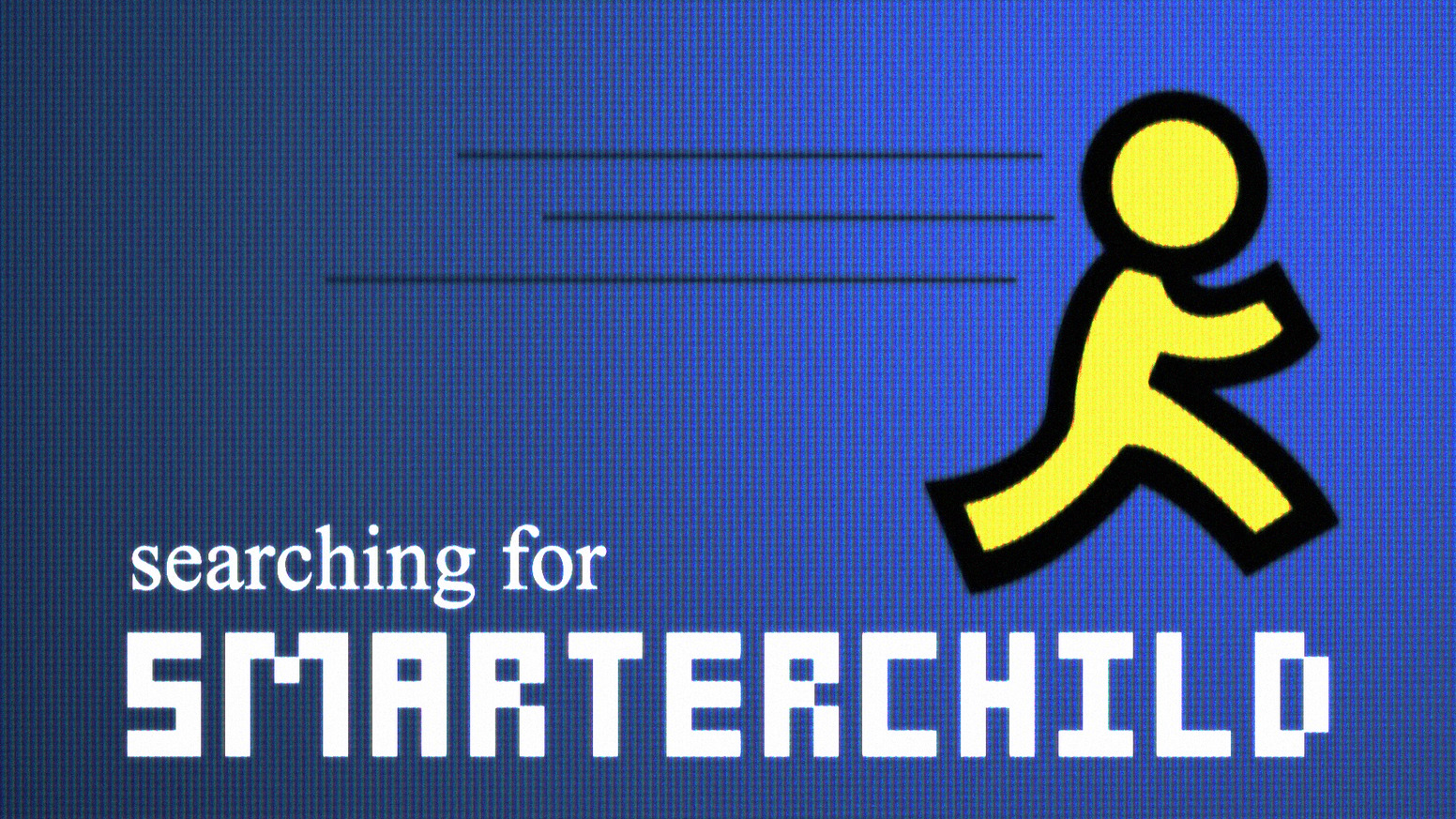
A Kickstarter campaign for Searching for SmarterChild, a feature documentary by Lindsey Sitz and Zan Gillies, is close to its funding target with less than a week left to run.
Kickstarter lists the Silver Spring, Maryland, project at $13,856 pledged toward a $15,000 goal, backed by 113 people. The campaign has six days remaining and uses Kickstarter’s all-or-nothing model, so backers are charged only if the project reaches its target by July 15, 2026, at noon Eastern time, according to the platform.
The filmmakers describe the documentary as a story about two millennials trying to apologize to a robot. That is the pitch on the project page, and it is doing a lot of work. The page identifies the category as documentary and names the creators as Lindsey Sitz and Zan Gillies, who describe themselves on Kickstarter as filmmakers and SmarterChild enthusiasts.
There is not much apparatus around the premise on the public campaign page. Kickstarter shows a project video, a main campaign section, rewards, six FAQ entries, one update, and no comments. The campaign page says the creators are seeking pledges rather than selling a finished product, which is the usual Kickstarter bargain and the part people tend to forget when nostalgia is involved.
What backers are actually funding
Kickstarter’s own trust language on the page is blunt enough: it says the site connects creators with backers, that rewards are not guaranteed, and that creators must update backers regularly. The platform also says pledges are collected only if the funding goal is met before the deadline.
That means Searching for SmarterChild still has to clear the final $1,144 gap before the campaign can receive funds through Kickstarter. If it falls short, the campaign will not be funded through the platform.
The creator profile linked to the campaign shows one created project and zero backed projects. Kickstarter lists the account as created in January 2026, with a last login on July 8, 2026. The profile location is Silver Spring, Maryland.
For anyone who spent time talking to early consumer chatbots, the idea is legible without much explanation: a documentary built around the odd emotional residue of chatting with software that was not, in any human sense, a person. The campaign page does not lay out the film’s production schedule, interview list, distribution plan, or completion date in the visible project summary. What it does show is a narrow funding ask, a deadline, and enough backers to put the project within reach.
This story draws on original reporting from Kickstarter.