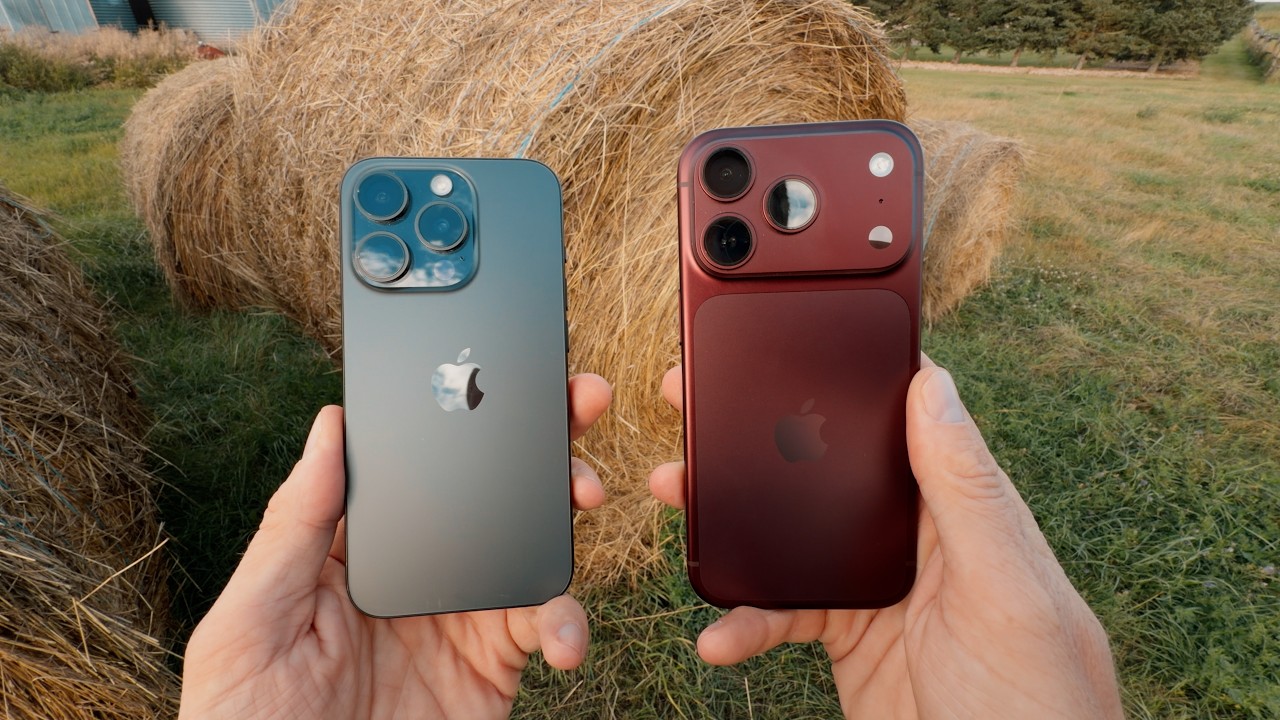
Tyler Stalman’s iPhone 18 Pro review puts Apple’s new variable-aperture main camera through a photographer’s test rather than treating a new f-stop number as magic. In the 15-minute, 48-second video published September 16, Stalman calls the hardware a meaningful step toward a more serious camera, while warning that its most useful gains are control and exposure, not DSLR-style background blur.
Stalman’s primary comparison is the iPhone 15 Pro, chosen to reflect what he described as an approximate three-year upgrade cycle for Pro buyers. There is one methodological wrinkle worth keeping in view: nearly all of the review itself was filmed on an iPhone 17 Pro with Blackmagic Camera, apart from the aperture macro footage and overhead shots.
How does the iPhone 18 Pro variable aperture help photographers?
The 1x main camera can open as wide as f/1.48, compared with f/1.8 on the earlier model Stalman cites, and it can be stopped down to f/4. Aperture governs how much light reaches the sensor. Opening it wider can support a lower ISO in dim scenes, which Stalman says should mean less aggressive noise reduction and less reliance on Night mode. Closing it limits light, but can retain more of a scene in focus and gives the photographer another way to manage exposure.
That last point is the useful bit. Stalman says f/4 can help when a photographer wants greater depth of field, rather than allowing nearby subjects to be sharp while the rest falls away. He also found that closing the aperture can help with slower shutter speeds: in one handheld 1/8-second example, he said stabilization kept the static scene sharp while a moving person blurred through it.
Phone sensors remain phone sensors. Stalman found the extra natural background blur at the wider aperture visible but restrained, because a smaller sensor keeps more of the frame in focus than a full-frame camera. Automatic shooting also frequently selected f/1.8 in his testing, producing an effect closer to previous iPhones unless the software judged a different setting appropriate.
His close-focus test found no apparent difference between the iPhone 15 Pro and iPhone 18 Pro. He did note an unusual physical arrangement in Apple’s new mechanism: the aperture blades appear to sit above the primary lens element rather than deeper inside the lens, as on conventional camera lenses.
What else did Stalman find in the iPhone 18 Pro camera review?
Stalman’s software assessment was more conditional. According to 9to5Mac’s account of the review, he found Soft Skin reduced skin detail without merely smearing it, while Glow created diffused highlights similar to a black mist filter. He liked the Film style’s grain and halation, but wanted a direct control for the amount of grain.
He was less comfortable with the implications of Apple’s AI editing tools. Stalman said Clean Up, Extend and Reframe could produce convincing results, yet alter an image enough that it no longer feels fully authentic to the original. For video, despite updates to Cinematic mode, he continued to recommend Apple Log when the goal is genuinely cinematic footage.
That leaves a fairly sober verdict: the variable aperture adds real tools for people prepared to use them, especially around light, shutter speed and depth of field. It does not repeal the optical limits of a compact phone camera, and Stalman’s own tests suggest auto mode will often keep the experience familiar. Readers can watch Stalman’s full review for the image and video comparisons behind those conclusions.
This story draws on original reporting from YouTube.