The Supreme Court’s recent decision limiting warrantless searches of phone location records is already being aimed at another police surveillance tool: automated license plate readers.
In Chatrie v. United States, the court held that searches of Google location history tied to a geographic area can trigger Fourth Amendment protections. Police use those requests, often called geofence searches, to ask a company which devices were near a crime scene during a defined window.
Some legal scholars and opponents of automated license plate readers say the same reasoning could threaten broad police access to plate-reader databases. If courts require warrants for those searches, routine use of the systems would change sharply.
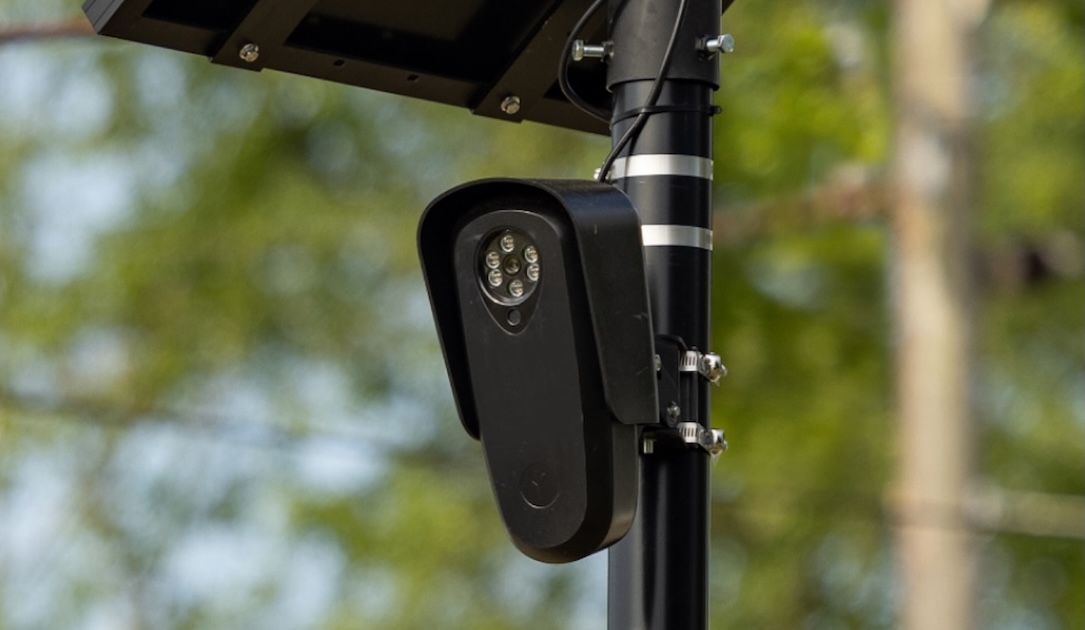
Flock Safety, the largest U.S. vendor in the market, says it has roughly 90,000 to 100,000 cameras deployed on public roads and collects data on about 20 billion license plates each month. Police departments use those records to locate vehicles and identify suspects.
Why Chatrie could matter for plate readers
Michael Soyfer, an attorney at the Institute for Justice, said during a Wednesday briefing that the Supreme Court focused on the retrospective and broad nature of Google’s location database. Soyfer said those same traits apply to automated plate-reader systems, which let police search past vehicle sightings across a network rather than observe one car in real time.
Soyfer also said the court looked beyond the single search police ran in Chatrie and examined what the database made possible overall. In his view, that emphasis could matter for plate-reader litigation because the legal question may turn on system capability, not only on a particular officer’s query.
Soyfer said the ruling could also affect other investigative tools that work backward from data trails, including reverse keyword searches, cell tower dumps and police purchases of commercial location data from brokers.
Flock Safety rejected the comparison. In a statement, the company said Chatrie concerned Google geofence warrants and mobile-device location history, which it described as different from plate recognition. Flock said its cameras capture vehicles at specific moments when they are visible in public.
The company also said courts have treated plate-reader data differently from cell-site and mobile geolocation records, and that it does not believe the ruling changes that precedent. Flock pointed to a note in the opinion that, in its reading, distinguishes tracking on public roads from other kinds of location surveillance.
Public roads, private patterns
The government argued in Chatrie that short-duration location searches should not receive Fourth Amendment protection. The Supreme Court disagreed, saying even a few hours of location history can expose visits to private places, including medical offices, abortion clinics, AIDS treatment centers, strip clubs and motels.
Andrew Guthrie Ferguson, a George Washington University law professor and author of Your Data Will Be Used Against You, said plate-reader searches can raise similar concerns because plate numbers connect to larger law enforcement databases. Those systems can include home addresses, travel patterns and other personal records.
Ferguson said police databases may also contain social media records, footage from public and private cameras, body-camera video, drone footage, gunshot detection data and dashboard-camera video. He said agencies can combine those sources into detailed profiles of people they are tracking.
Ferguson acknowledged that license plates are designed to identify vehicles. He said courts should still avoid treating plate readers as isolated cameras because modern systems function as entry points into broader stores of personal information. In his view, Chatrie strengthens the argument that warrantless collection and searching of plate-reader data can violate the Fourth Amendment.
This story draws on original reporting from The Record.