Britain’s communications regulator, Ofcom, has opened an investigation into TikTok over whether the company failed to check users’ ages well enough to protect children from harmful material online.
Ofcom said Wednesday that TikTok may have breached the UK’s Online Safety Act. The regulator’s concern is specific: TikTok’s age inference systems may have wrongly treated a significant share of children as older users, leaving them able to encounter content the law is meant to restrict.
The case goes to the plumbing of online safety enforcement. If a platform cannot reliably tell whether a user is a child, every downstream safety setting starts from a bad guess. Ofcom said it has “particular concerns” about TikTok’s age assurance practices.
What Ofcom says went wrong
TikTok and other social media companies rely heavily on age inference, according to Ofcom. These systems do not confirm age by checking an ID document, biometrics, or other direct proof. They estimate age from signals such as browsing behavior, online interactions, and other activity.
Ofcom said age inference models, including those used by TikTok, may have failed to correctly identify many children. The regulator said that could put children at risk of seeing harmful content.
That distinction matters under the Online Safety Act. Ofcom said age inference is not included among the “highly effective” age-checking methods in its guidance. The regulator told social media companies that if they are using age inference to meet child protection duties, they should move “without delay” to methods listed in its guidance as highly effective.
The law’s harmful-content categories include pornography and posts about suicide and eating disorders, according to Ofcom.
Penalties and the wider policy fight
Companies found to have violated the Online Safety Act can face fines of up to £18 million, about $21 million, or 10% of qualifying global revenue. In the most serious cases, the British government can also seek to block a site or platform from operating in the UK.
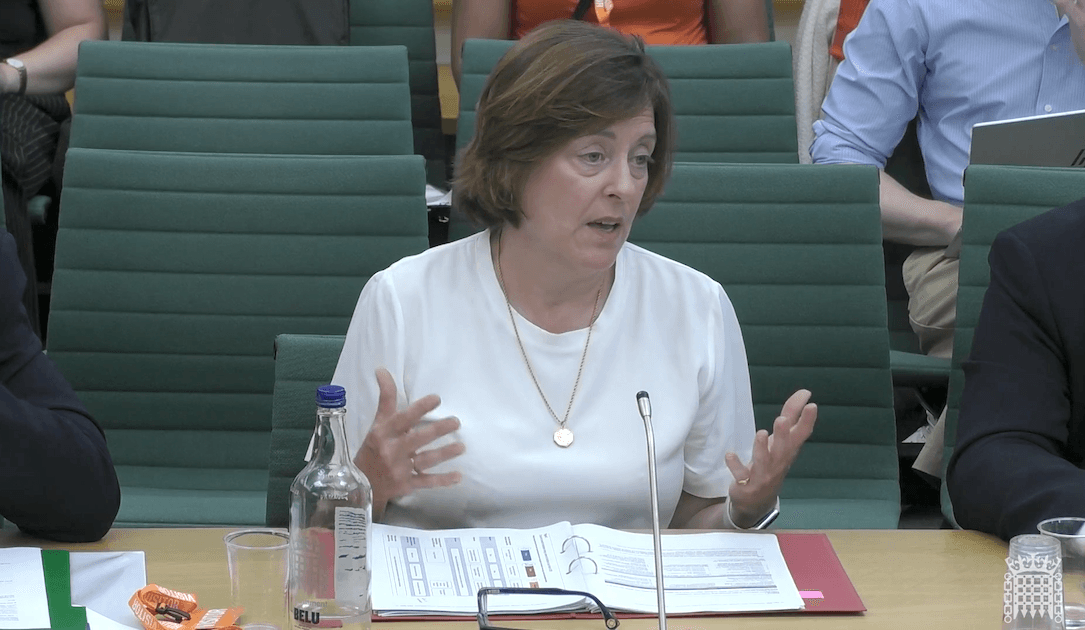
Ofcom Chief Executive Melanie Dawes said in a statement that age checks are a “cornerstone” of the UK’s online safety laws. She said too many services have no age checks or inadequate ones.
The investigation lands while the UK’s Labour government is preparing a broader social media restriction for children. Officials have said they want to bar under-16s from social media, with proposed legislation applying to user-to-user platforms such as Facebook, Instagram, TikTok, X, YouTube, and Snapchat if Parliament approves it. Officials have said the government plans to send the bill to Parliament before Christmas.
Ofcom said it will also send Parliament an analysis of what highly effective age checks look like in practice. Dawes said upcoming social media restrictions will demand stronger age checks and that the system is already shifting toward a broader approach.
TikTok says it complies
A TikTok spokesperson disputed the regulator’s concerns, saying the company “strictly enforce[s] age-appropriate experiences through expert-informed platform rules and advanced age inference technologies, in line with major industry peers.”
The spokesperson said TikTok has invested billions in platform safety during its eight years in the UK and is confident it meets its Online Safety Act obligations. The company said it will work with Ofcom to demonstrate compliance.
Ofcom said it will give a public update on the investigation in October.
This story draws on original reporting from The Record.