California dairy farms are starting to run manure wastewater through beds of wood chips, rock, worms, and microbes, hoping to cut pollution without buying the expensive digesters that dominate the state’s methane strategy.
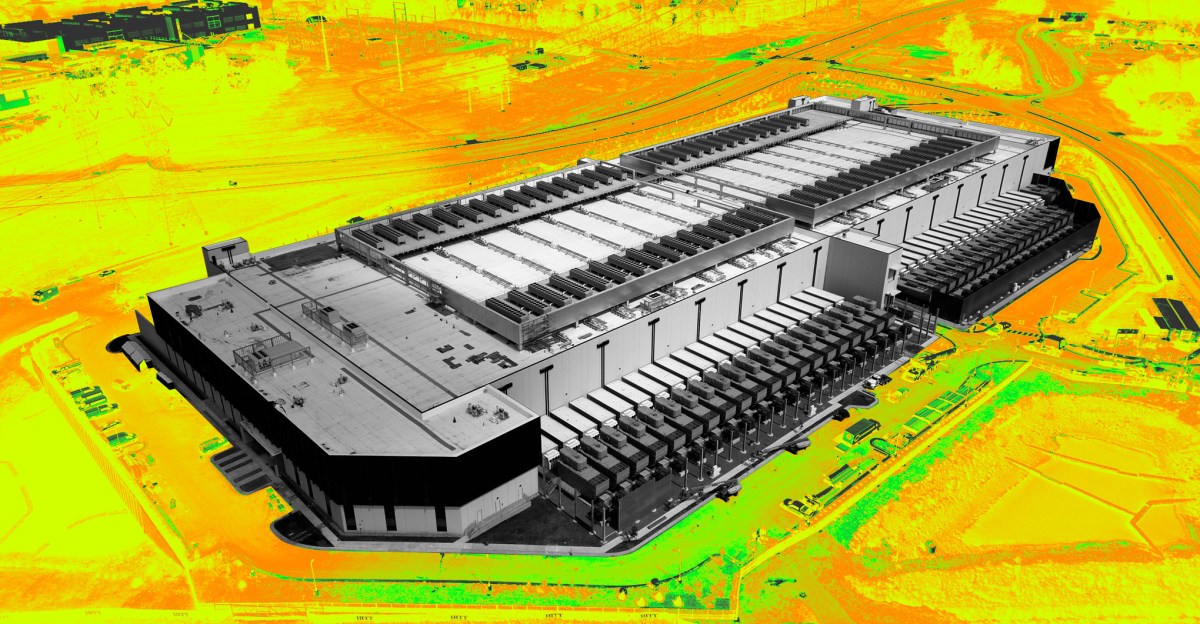
At Alberto Dairy in Hickman, California, Anthony Agueda’s family began using a BioFiltro vermifiltration system in October 2024. The setup covers an area roughly the size of six football fields, according to the company’s deployment described at the farm, and is designed to filter wastewater from hundreds of Holstein cows.
BioFiltro, a Chilean company with its US headquarters in Davis, California, says eight such systems are already operating on US dairies, with 16 more under construction or planned for next year. Nearly all are in California, where regulators and subsidy programs have turned manure management into a capital project.
Why manure is now a climate target
Manure is not a side issue for livestock emissions. The World Resources Institute estimates that manure management at US dairy and swine farms accounts for 1.6% of national greenhouse-gas emissions. Globally, manure storage and processing account for about 10% of livestock’s climate impact, according to the UN Food and Agriculture Organization.
The mechanism is not mysterious. Many farms store manure in lagoons or tanks, creating low-oxygen slurry. Methane-producing microbes thrive there and emit methane as they break down organic material. Other microbes produce smaller amounts of nitrous oxide. The US Environmental Protection Agency says methane and nitrous oxide have far higher heat-trapping power than carbon dioxide over a century.
The same waste can create water problems when spread on fields. Researchers and extension agencies cited in the record link poorly managed manure applications to drug residues, pathogens including salmonella and E. coli, and nitrate contamination. Nitrates can leach into drinking water or feed algal blooms in rivers, lakes, and coastal waters.
California’s digester bet has limits
California has pushed harder than most governments on dairy methane. A 2016 state law requires dairies, landfills, and other businesses to cut methane emissions 40% below 2013 levels by 2030. The California Air Resources Board says dairy methane reductions are on track to reach the equivalent of 5 million metric tons of carbon dioxide by 2030, still about 4 million tons short of the law’s target.
Most of the state’s expected dairy methane cuts, apart from falling herd numbers, come from anaerobic digesters. These systems cover manure lagoons, capture methane-rich biogas, clean it, and convert it into pipeline gas. Under California’s Low Carbon Fuel Standard, farms can sell credits tied to that gas. Cal Poly researchers said the program has generated more than $1 billion for farms since 2020.
Frank Mitloehner, a professor and chair of animal science at the University of California, Davis, says digesters are generally practical only for farms with about 2,000 cattle or more because installation costs are high. Danny Cullenward, a senior fellow at the University of Pennsylvania’s Kleinman Center for Energy Policy, argues the subsidies have pulled attention and money away from other manure controls.
What the worm beds actually do
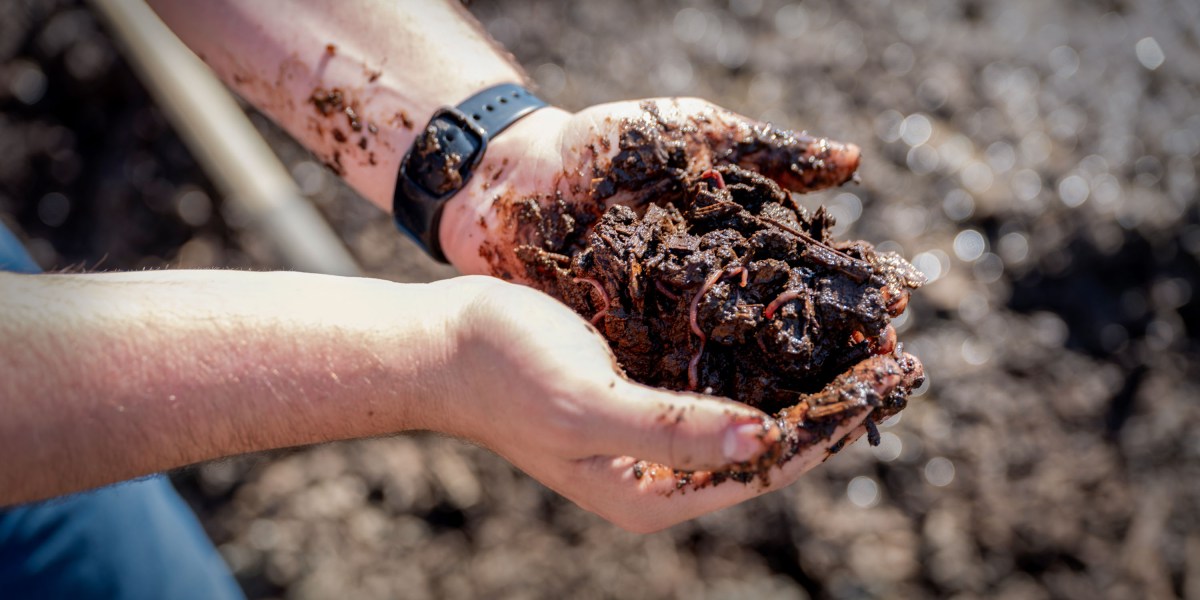
BioFiltro’s system at Alberto Dairy starts with mechanical solid separation. Pumps move flushed manure through screens, a conveyor removes solids for composting into bedding or fertilizer, and the remaining liquid flows to settling ponds. An irrigation rig then sprinkles the wastewater over vermifiltration beds. Agueda said the liquid takes about four hours to pass through.
BioFiltro says worms and microbes remove up to 99% of wastewater contaminants. Mitloehner is less sold on the worm-centric branding. His explanation is plainer: rock and wood chips create an oxygen-rich filter, changing the microbial chemistry away from lagoon conditions.
In a 2018 study at Fanelli Dairy in Hilmar, California, Mitloehner and colleagues found vermifiltration reduced ammonia emissions from treated water by about 90%. Later studies partly or fully funded by BioFiltro and its regional distribution partner Organix also reported strong nitrogen results, including a 2022 Bioresource Technology Reports paper that found nearly 85% nitrogen removal from wastewater at Fanelli Dairy.
Methane evidence is messier. Company- and partner-supported studies found large methane reductions, while Mitloehner’s 2018 study found methane emissions nearly 85% higher than lagoon emissions. Mitloehner later said the studies used different methods, instruments, and measurement periods, and that methane reduction from an aerobic system is biologically plausible. He also said the size of the effect is not settled.
Patrick Beckett, BioFiltro’s vice president of quality and R&D, said methodological differences could explain the methane disagreement and said more independent review is fair and necessary. BioFiltro is already expanding: the company says it has about 225 systems operating in nine countries and raised $35 million late last year to accelerate growth, including in dairy.
This story draws on original reporting from MIT Technology Review.