A national wave of protests against AI data centers hit 142 locations across 42 states over the weekend, according to Reuters, turning a local permitting fight into a coordinated political problem for the companies trying to build more compute.
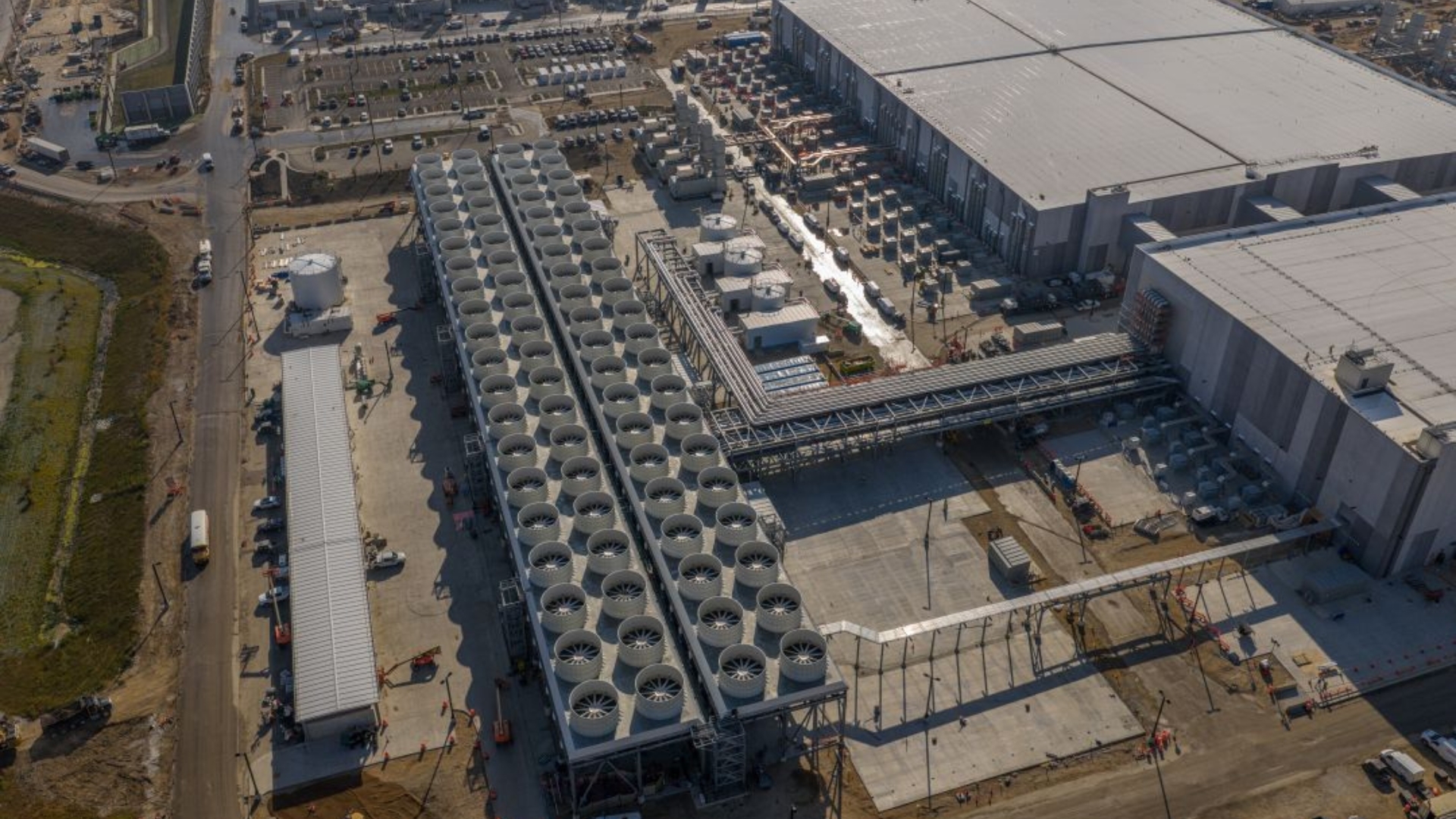
Reuters reported that organizers described the current data center buildout as “unaccountable” and an “unacceptable infringement on our liberty.” The complaint is not about abstract artificial intelligence. It is about substations, transmission lines, cooling systems, diesel backup generators, water use, noise, and utility bills landing near people who did not ask to host the infrastructure behind chatbots and enterprise AI products.
Forbes reported that community consent has become scarcer than some of the hardware and resources needed for these projects. That is a neat way to put it, although the underlying point is less tidy: buying Nvidia chips is hard, but getting neighbors, town boards, state regulators, and ratepayers to accept the consequences can be harder.
Data center developers have spent the past few years dealing with the parts list. First came tight GPU supply. Then memory constraints became another choke point. Power is now its own bottleneck, since large AI sites need heavy grid connections and supporting infrastructure. Public resistance has joined that stack of constraints, and it is harder to solve with a purchase order.
Local opposition is turning into policy
Tom's Hardware has reported that more than 70% of Americans oppose data centers near their homes. The opposition is producing action from both parties rather than falling cleanly into the usual political lanes.
According to Tom's Hardware, more than 69 jurisdictions have imposed data center bans. Seattle, the home region for Microsoft and Amazon headquarters, has moved toward a one-year moratorium, and New York has enacted a one-year ban on data center projects larger than 50 megawatts. Tom's Hardware also reported that more than $130 billion in data center projects were delayed in the first quarter of 2026.
The political mechanism is basic zoning and infrastructure power, not some grand federal AI doctrine. Cities and states can slow or block projects through moratoriums, land-use rules, utility approvals, water restrictions, rezoning fights, and tax policy. Those tools matter when a proposed site resembles industrial infrastructure more than a conventional office park.
Developers have tried several workarounds, according to Tom's Hardware: choosing rural sites with fewer residents and less public scrutiny, bringing their own electricity, and arguing that their facilities use less water than lawn and garden watering. Those arguments have not settled the fight. Reports of higher utility rates, water quality concerns, noise complaints, and other local effects have made the sales pitch about jobs, investment, and tax revenue less persuasive in some communities.
The backlash has also reached elected officials. Tom's Hardware has reported on towns where voters pushed back against council members who approved or supported large data center plans. That changes the permitting math. A friendly town council may get a project started, but it may not be enough to keep it alive once residents decide the trade is bad.
The United States may need more data center capacity if companies want to keep expanding AI services. The protest movement is a reminder that compute is physical infrastructure. It takes land, power, water, equipment, permits, and tolerance from the people living nearby. The first four can be financed. The last one has to be earned.
This story draws on original reporting from Tom's Hardware.