AI infrastructure spending by Amazon, Google, Meta and Microsoft has passed $1.1 trillion since 2023, according to the Financial Times, counting capital outlays for data centers, the chips that fill them and the electricity systems needed to keep them running. The paper said the four companies could add another $745 billion to that total this year.
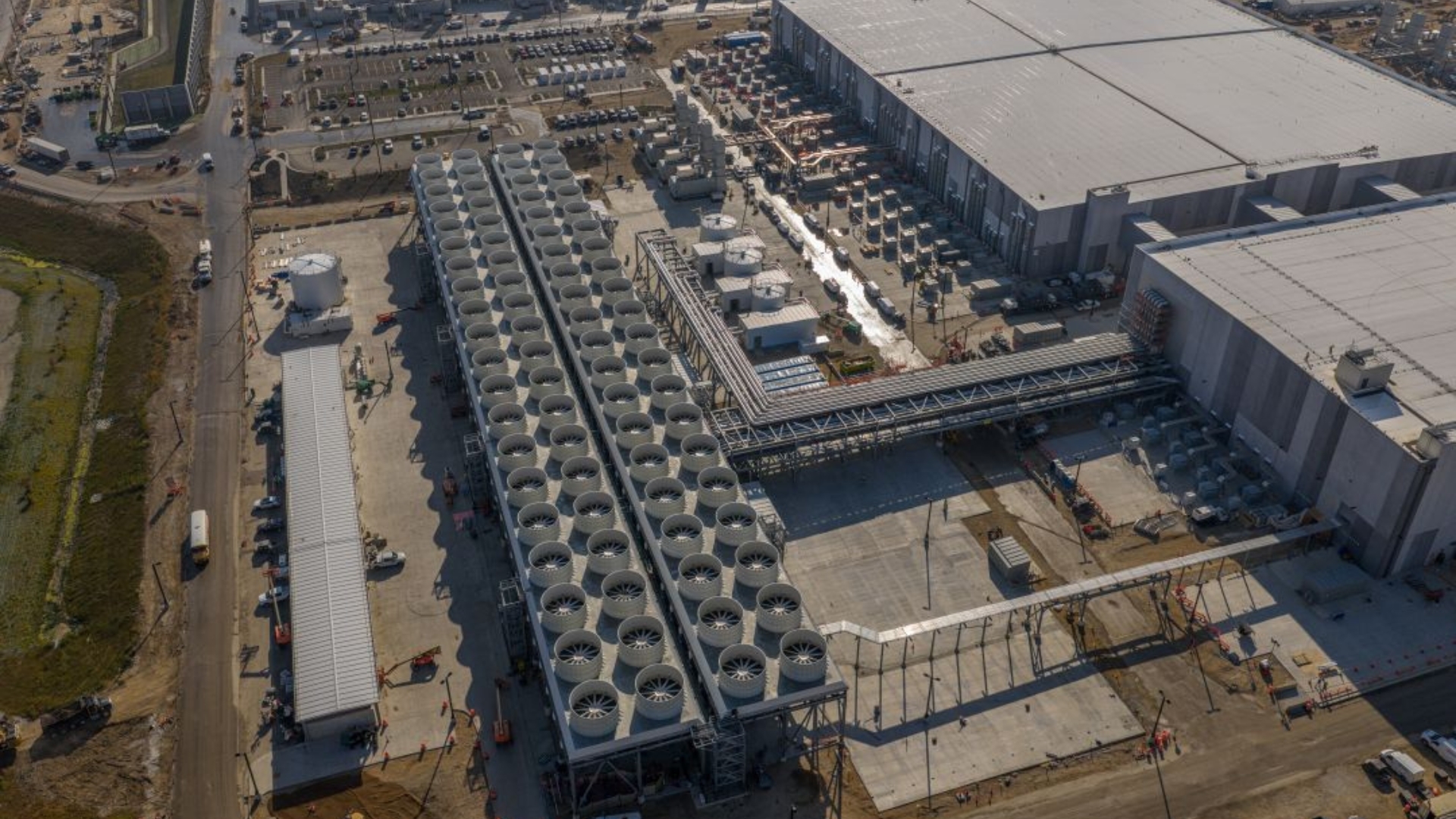
The build-out is no longer a tidy cloud-computing line item. An AI data center runs on power, cooling and packets, and the current investment cycle is pulling on all three at once. The result is showing up in utility planning, memory-chip allocation and investor tolerance for spending that has not yet proved it can pay for itself at this scale.
RBC Capital analyst Rishi Jaluria told the Financial Times that there is “basically no end in sight” for capital expenditure growth. He added that investors want the companies to balance AI investment against the businesses that made them successful in the first place.
How much are big tech companies spending on AI infrastructure?
The Financial Times put combined capital expenditure by Amazon, Google parent Alphabet, Meta and Microsoft at $1.1 trillion since 2023, based on their latest earnings reports. It said another $745 billion is expected to be added this year.
Those numbers include more than servers. AI infrastructure spending covers land, buildings, networking gear, accelerators, memory, storage and power arrangements. The chips get the headlines because Nvidia GPUs are expensive and scarce, but a hyperscale AI cluster is also a real-estate and electricity project with a software logo on the gate.
The power side has become politically awkward. The rapid growth of data centers has pushed some U.S. utilities to spend billions upgrading their grids, and those costs can be spread across customers rather than charged only to the companies that triggered the upgrades. Public opposition has followed in communities worried about electricity costs and environmental effects.
The White House created a “ratepayer protection pledge” asking AI hyperscalers, utilities, data center companies and states to protect ordinary customers from higher electricity costs tied to data center growth. No state has codified that pledge into law so far. Oregon did pass the POWER Act in 2025, before President Donald Trump summoned technology companies to the White House and told them to “pay their own way.” Under Oregon’s law, users consuming more than 20 megawatts saw power bills rise 30%, while residential bills were cut by 1.3%.
The spending boom is also distorting the memory market. Hyperscalers can pay premium prices for high-bandwidth memory used in AI systems, giving Micron, Samsung and SK hynix reason to prioritize HBM production over ordinary DRAM. The resulting consumer-memory shortage that began in 2025 first hit PC builders, then spread into industries including cars and smartphones. Apple, a company usually known for supplier leverage, raised some Mac and iPad prices amid the shortages.
Some analysts are also looking past the official debt totals. A separate report cited in the coverage said AI-related commitments could amount to about $1.65 trillion in “hidden debt,” recorded in quarterly statements as future obligations that begin as related assets or services come online. That figure was described as 122% of the debt shown on the balance sheets of Alphabet, Amazon, Meta, Microsoft and Oracle.
The four largest spenders still generate staggering revenue. Microsoft reported $90 billion in its latest quarter, Meta $60 billion, Alphabet nearly $120 billion and Amazon $200 billion, for a combined total near $470 billion. Cash flow does not make investor patience infinite. Google’s shares fell after Alphabet said it spent more than it generated last quarter, the first such event since it went public 20 years ago, and Meta’s reported plan to rent out AI compute also weighed on its stock.
Dec Mullarkey, managing director at SLC Management, told the Financial Times that investors are no longer rewarding growth at any cost. They want evidence that the spending turns into results. Reasonable, really, given that a trillion-dollar server habit is still a habit.
This story draws on original reporting from Tom's Hardware.