Apple memory pricing will take another bite out of margins in the September quarter, CEO Tim Cook told analysts on Apple’s July 30 earnings call. Cook said the company paid more for memory in the June quarter and expects to pay still more in September, describing the market as “a hundred-year flood” for memory prices.
Apple’s consolidated financial statements for the quarter ended June 27 show how the company tried to cushion the hit: inventories reached $11.09 billion, up 87% from a year earlier. Over the first nine months of the fiscal year, Apple used $5.46 billion in cash to build inventory, compared with a $1.22 billion inventory release in the same period a year earlier.
The stockpile is large by Apple standards. The company held $5.93 billion in inventory at the end of June 2025 and $5.72 billion at the prior September fiscal year-end, making the June 27 figure a 94% rise in nine months. Against quarterly cost of sales of $54.65 billion, that works out to about 18.5 days of inventory, versus about 10.7 days a year earlier.
Why is Apple paying more for memory?
Apple buys DRAM and other memory components for products including iPhones, Macs and iPads. When contract prices rise, Apple either absorbs the higher bill, raises device prices, offsets the cost with earlier inventory purchases, or some combination of all three.
CFO Kevan Parekh told analysts Apple’s carry-in inventory helped offset memory costs in the June quarter and should do so again in September. He also said that benefit fades after September, which means the company gets less protection if market prices keep climbing.
Parekh said Apple’s company gross margin was 49.3% in the March quarter and 48.1% in June after removing roughly two percentage points of tariff refunds. He attributed more than the full 120-basis-point sequential decline to memory costs, with foreign exchange also a factor but not the main one.
Apple guided September gross margin to 47% to 48%, including about one percentage point of tariff refunds. On an adjusted basis, that puts the midpoint near 46.5%, and Parekh again pointed to memory pricing as the reason for the step down.
The reported June quarter still had some offsets. Apple’s product cost of sales rose 8.1% year over year to $47.15 billion, while product revenue climbed 18.1% to $78.68 billion. Product gross margin improved to 40.1% from 34.5%, helped by June Mac and iPad price increases, tariff refunds and inventory bought before the latest pricing pressure fully landed.
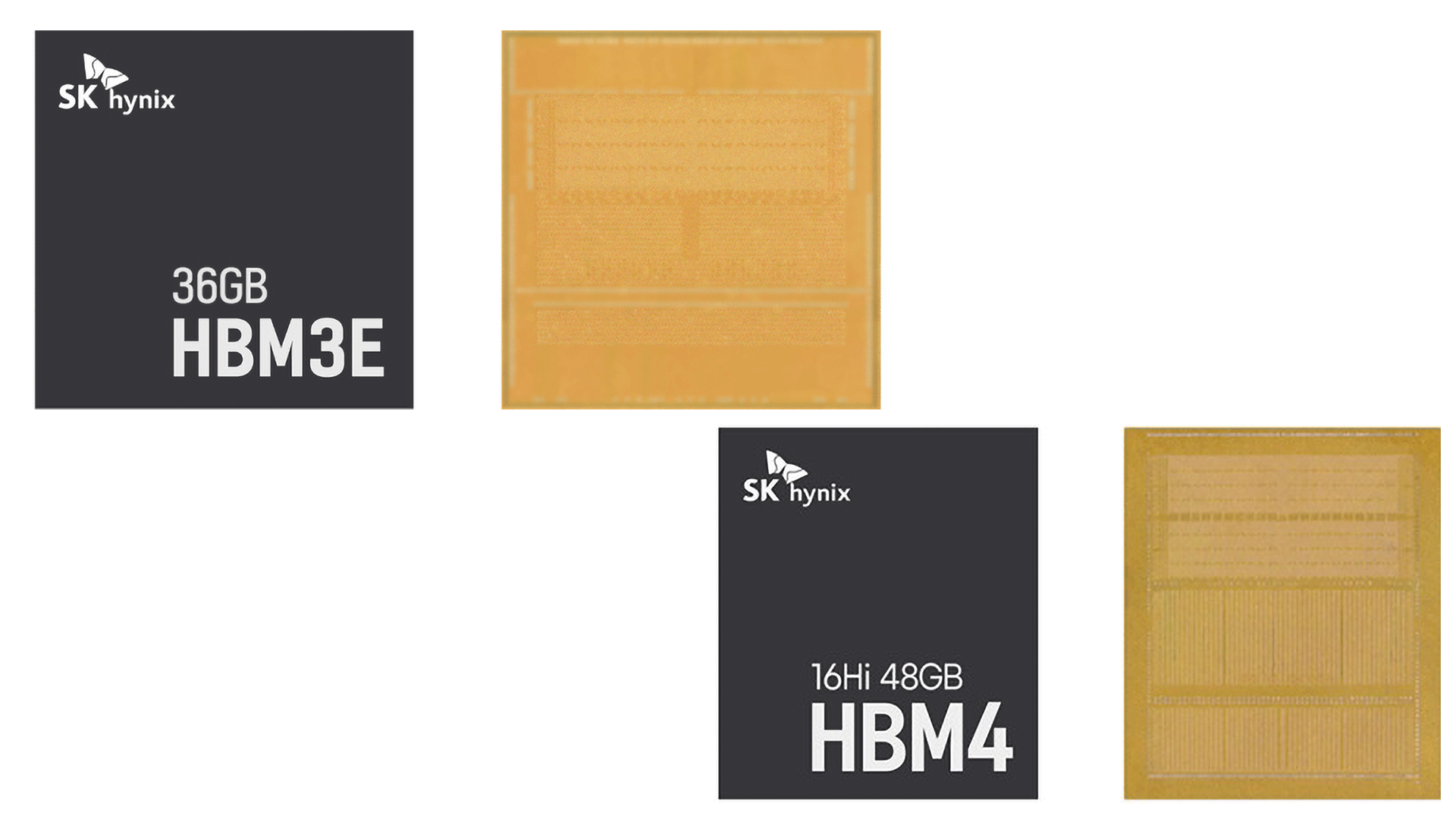
Memory suppliers are on the other side of that trade. SK hynix recently reported a 76% operating margin for the same three-month period, on revenue of 79.32 trillion won and operating profit of 60.54 trillion won. The company guided third-quarter DRAM bit shipments to rise only about 10% sequentially. TrendForce expects conventional DRAM contract prices to increase another 13% to 18% in the third quarter.
Cook said the DRAM market has three major suppliers and that more suppliers would help on volume, while the effect on price remains unclear. He told analysts Apple is “evaluating all options.”
One possible complication is China’s CXMT. The Financial Times reported in July that Apple had begun testing CXMT DRAM for devices sold in China while seeking U.S. clearance to use the parts more broadly. Representatives John Moolenaar and George Whitesides later asked Commerce Secretary Howard Lutnick to bar purchases from CXMT and YMTC outright, including through allied supply chains. CXMT listed on Shanghai’s STAR Market in July.
Apple also flagged unit supply constraints for the September quarter, but Cook separated that issue from memory pricing. He attributed those limits to availability of the advanced manufacturing nodes used for Apple’s chips after iPhone and Mac demand exceeded Apple’s plan. The company said the September constraints will affect iPhone, Mac and iPad, compared with mainly Mac in the June quarter.
This story draws on original reporting from Tom's Hardware.