A china esports hotel RAM theft case has put two suspects, identified only as Li and Cheng, in custody after gaming PCs in several hotel rooms were stripped of memory modules, according to Chinese outlet GMW.cn.
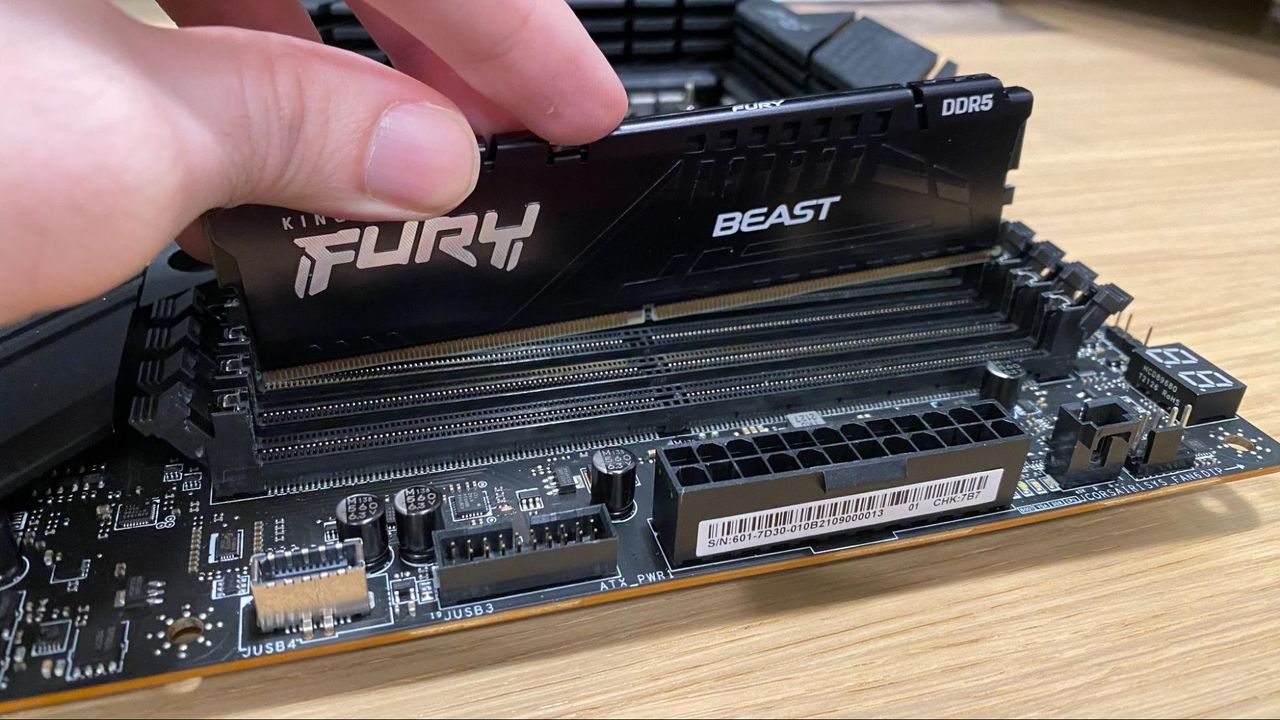
The reported haul was modest by electronics-theft standards: 16 RAM sticks, sold for about 13,200 yuan, or roughly $1,950. The mechanics were not exotic. The suspects allegedly booked rooms in esports hotels, opened up the in-room computers, removed the memory, then moved the parts through online second-hand platforms and physical stores.
GMW.cn reported that Li began the thefts in May in Shihezi City in northern Xinjiang. After checking into an esports hotel, he allegedly removed two RAM sticks from a room’s gaming PC. The outlet said Li later brought in Cheng, and the pair targeted multiple hotels in the second half of May.
What is an esports hotel RAM theft?
An esports hotel is a hotel that provides gaming PCs as standard room equipment, aimed at guests who want to play PC games during their stay. In this case, the theft was physical hardware removal: RAM sticks were taken out of those machines, leaving later guests with computers that could not start properly.
RAM, or random access memory, is the short-term working memory a PC needs to boot and run programs. A desktop with its RAM removed will often show a black screen or fail to boot, which is exactly how the thefts surfaced, according to GMW.cn.
The outlet said later guests complained that the room PCs showed black screens and would not start. Hotel staff then inspected the machines, found the missing DRAM, and contacted police after confirming the problem was not ordinary equipment failure.
GMW.cn described the alleged conduct as “frenzied hotel room-dismantling,” according to machine translation. Strip away the flourish and the case is a reminder that putting high-value PC hardware in unsupervised rooms creates a very low-tech attack surface. No malware, no exploit chain, just a screwdriver-level opportunity and a resale market willing to absorb parts.
The report said Li and Cheng are both in custody and that the investigation is continuing. It did not state final charges, sentencing details, or whether the stolen RAM has been recovered.
This story draws on original reporting from Tom's Hardware.