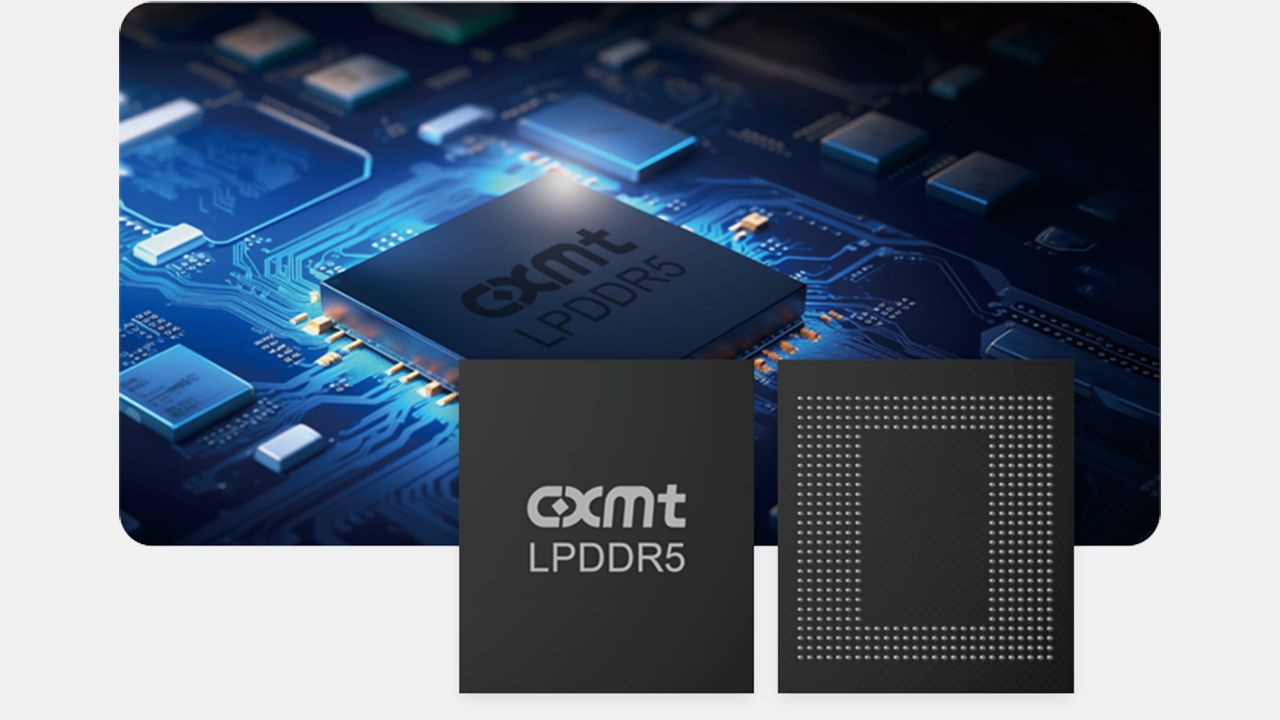
Chinese CXMT DRAM prices are not giving buyers the discount many expected from a new domestic supplier. Listings on JD.com spotted by @harukaze5719 show a 64GB DDR5-5600 RDIMM using ChangXin Memory Technologies chips priced slightly above comparable modules using Samsung or SK hynix memory.
According to the figures posted by @harukaze5719, a 64GB DDR5-5600 registered DIMM with Samsung or SK hynix DRAM was listed at 18,595 yuan, about $2,745. A module with the same capacity and speed, but built with CXMT chips, was listed at 18,999 yuan, about $2,805. The difference is about $60, or 2.2%, which is small next to the total price but still cuts against the assumption that CXMT parts would be the cheap option.
For another price reference, a Samsung-made 64GB DDR5-5600 RDIMM sold under Samsung’s own brand was listed on Amazon.com in the U.S. at $2,425. Cross-market comparisons are messy because taxes, supply chains and retailer behavior differ, but the listing shows that the Chinese retail price is not obviously low.
Are CXMT DRAM prices cheaper than Samsung and SK hynix?
Based on the JD.com listings spotted by @harukaze5719, no. The CXMT-based 64GB DDR5-5600 RDIMM was listed a little higher than modules using Samsung or SK hynix chips with the same headline specification.
The expectation of cheaper CXMT modules comes from two places. CXMT is China’s leading DRAM maker, and Chinese chipmakers including CXMT and Yangtze Memory Technologies have received substantial state support. CXMT also uses older fabrication technology than the newest processes used by the three dominant DRAM suppliers: Micron, Samsung and SK hynix.
Older DRAM process technology usually means a less attractive chip on paper. The chips can consume more power, have less headroom for high-performance bins and offer weaker overclocking potential than parts made on newer nodes. That makes it easy to assume CXMT would have to sell below the big three to win sockets.
Retail pricing does not work that cleanly. A lower chip quote, if CXMT is offering one, does not guarantee a cheaper DIMM on a store page. Module makers, distributors and retailers price against supply, demand and whatever customers will pay. If memory supply is tight, there is little reason for any seller in the chain to pass along all of a component discount.
Validation also eats into the neat “cheaper chip, cheaper module” story. When large hardware companies or well-known memory brands use a specific DRAM chip SKU, that part typically has to go through qualification and testing by the company itself or by manufacturing partners. That work adds cost, and it can narrow any difference between chip suppliers before the product reaches buyers.
The result is awkward for anyone waiting for CXMT to break DRAM pricing. Its chips may help module makers and hardware vendors find supply at a time when capacity is constrained, but the JD.com listings do not show a retail price reset. For now, at least in this example, CXMT-based DDR5 RDIMMs are tracking the same expensive market as Samsung and SK hynix parts.
This story draws on original reporting from Tom's Hardware.