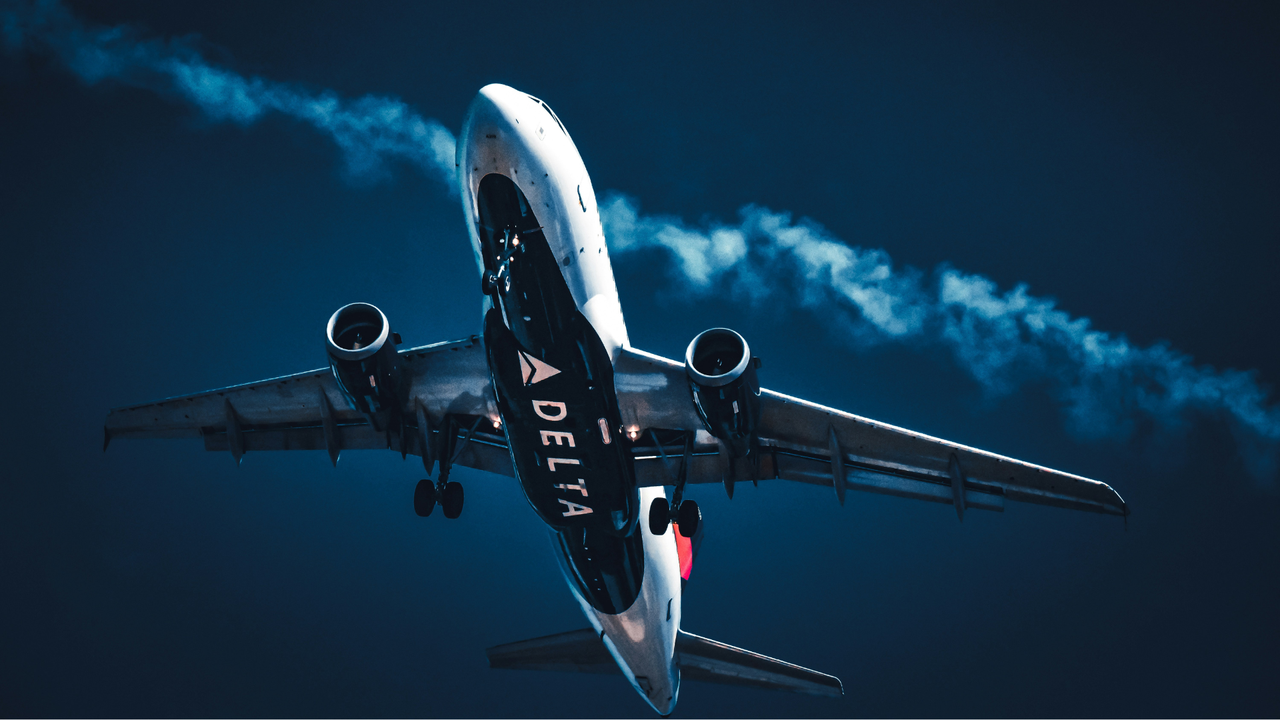
Delta Flight 591 Wi-Fi service was switched off for about 30 minutes after an unauthorized wireless network appeared aboard the Aug. 10 flight from Las Vegas to Atlanta. Delta says the network did not come from the airline, none of its systems were hacked, and the event did not affect the aircraft or flight safety.
The airline is investigating with federal law enforcement and aviation regulators. It has not identified who created the network or determined whether any passenger information was compromised, according to reporting by Fox 5 Atlanta and The Register.
Was Delta Flight 591's Wi-Fi hacked?
Delta's answer is no. Its initial review found that the unauthorized network was not provided, operated or supplied by Delta, and the company told The Register that no Delta system, including the onboard Wi-Fi service, had been hacked. Delta also said no aircraft system was affected and that the safety of passengers, crew and aircraft was never at issue.
The flight, operated by a Boeing 757, carried 199 passengers and six crew members, Fox 5 Atlanta reported. The cabin crew disabled the legitimate onboard Wi-Fi while the network was addressed. No emergency was declared to air traffic control.
The episode drew attention because Flight 591 left Las Vegas just after DEF CON 34, the cybersecurity conference held Aug. 6 through 9. That timing explains the speculation. It does not establish that an attendee was responsible.
What the crew reported from the aircraft
Messages attributed to the flight crew and circulated through aircraft-message tracking services said a network called “Delta WiFi Fast” had appeared on the flight. In one message, the crew asked ground operations to alert Delta corporate security because it believed the network might be intended to scam other passengers.
A later message alleged that passengers returning from a cybersecurity conference had jammed the aircraft's Wi-Fi and broadcast another signal. Those were the crew's contemporaneous concerns, not findings from Delta's investigation. The airline has confirmed only that an unauthorized network broadcast aboard the flight for a short period.
Wi-Fi devices locate nearby networks by their names and radio announcements, which is why a name resembling an airline service can confuse a passenger scanning for a connection. Wi-Fi network names and connection basics do not prove who runs a network, though, and a familiar-looking name is not evidence that it is legitimate.
What remains unconfirmed
Online accounts have claimed that someone used a portable testing device, forced passengers off the genuine network, created a lookalike login page, or tried to collect credentials. None of that has been established by Delta's preliminary findings. The Register reported that claims of police or federal agents waiting at the Atlanta gate also conflict: an Atlanta Police airport-division representative said it was unaware of the incident, while the city's Department of Aviation declined comment.
- Confirmed: An unauthorized Wi-Fi network was broadcast aboard Flight 591, and Delta temporarily disabled onboard Wi-Fi.
- Denied by Delta: A hack of Delta systems or its in-flight Wi-Fi, any effect on aircraft systems, and any threat to flight safety.
- Still under investigation: Who created the network, whether it interfered with the authorized service, whether data was exposed, and whether law enforcement took action.
Delta said gathering a complete account would take time. Until that work produces answers, the popular version involving a specific attendee, a particular tool and a credential-theft operation remains a stack of allegations, not a verified airborne breach.
This story draws on original reporting from Tom's Hardware.