The Dowagiac data center lawsuit puts a familiar data-infrastructure problem in a very small-room frame: residents say an industrial site across the street has been making a high-pitched noise around the clock for roughly two years, and they want relief.
According to WXYZ, the facility in Dowagiac, Michigan, is owned by Alliance Cloud Services LLC, a subsidiary of Hyperscale Data. The building was previously an industrial property screened by pine trees from the homes most affected. Development at the site began in 2018, and it later became a cryptocurrency mining operation in 2021.
Residents told WXYZ the problem changed in 2024, when the building began producing continuous noise. Lindy Valenzuela, who lives across from the site, compared it to a vacuum cleaner left running indoors with a clogged filter, producing a high-pitched whine. Another nearby resident, Billy Finn, described the sound as torturous.
Why are Dowagiac residents suing the data center?
The residents allege the facility has created nonstop noise pollution that has disrupted daily life in their homes. Their lawsuit follows local enforcement by Dowagiac, which recently adopted an industrial noise ordinance setting limits of 65 decibels during the day and 55 decibels at night.
The city has fined the data center for violating that ordinance, WXYZ reported. Hyperscale Data disputes the city’s measurements and the way officials conducted them.
The fight is not just about a noisy building. Hyperscale Data CEO William Horne told residents at a special council meeting that the site is shifting away from cryptocurrency mining and toward AI computing and advanced robotics. Horne said the company is spending $100 million on that change.
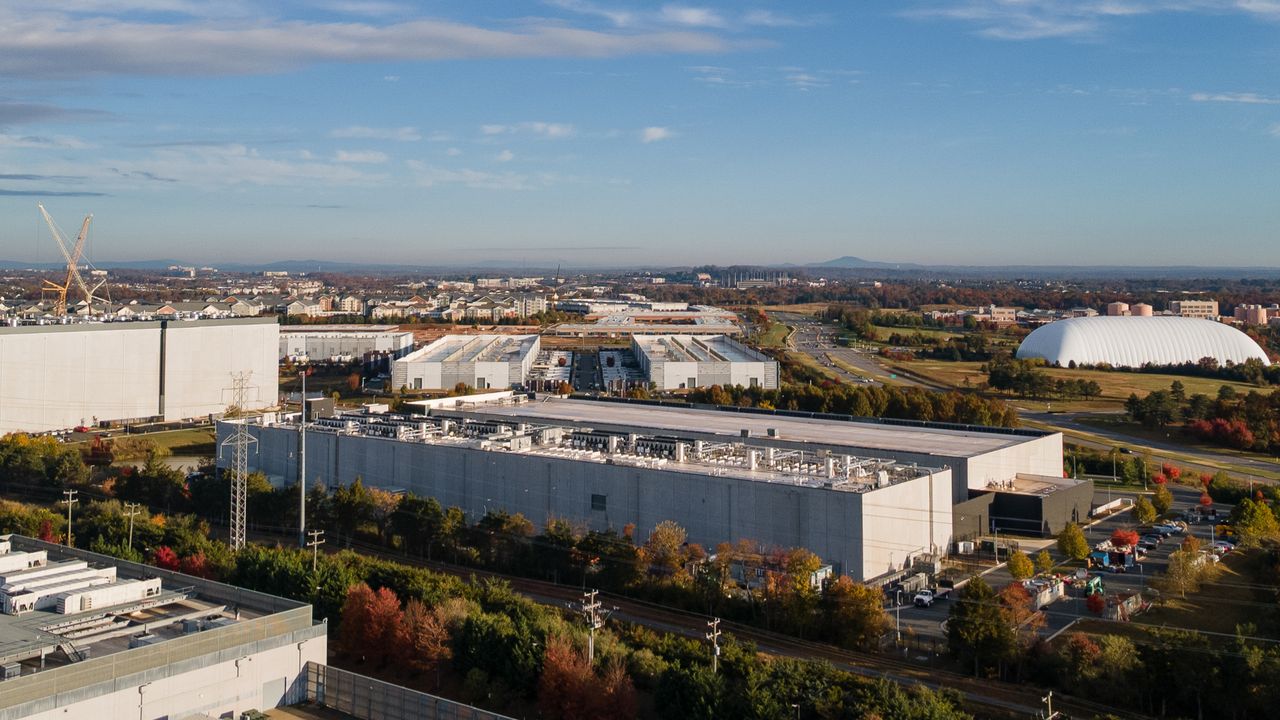
That pivot matters for neighbors because high-density computing sites need substantial cooling and electrical infrastructure. Fans, air handlers and other equipment can turn an otherwise quiet industrial building into a persistent acoustic problem when homes sit close by.
What has Hyperscale Data offered residents?
Horne said the company has bought adjacent acreage to create a natural buffer intended to reduce sound reaching nearby homes. He also said Hyperscale Data is pursuing other noise-reduction efforts.
At the meeting, Horne told residents that if they remain unhappy and feel their homes are no longer enjoyable, the company would buy their properties. Residents pushed back on that answer, according to WXYZ. One said their family had lived in the area for nearly a century, with friends and support nearby. Another resident said they have a 17-month-old child and another baby on the way, making relocation difficult.
Residents also asked why the company did not act sooner after complaints began and accused it of failing to behave like a good neighbor.
Hyperscale Data has said it plans to expand operations at the Dowagiac footprint. The city said it has not received permit applications for that expansion.
Noise complaints around data centers are becoming a recurring flashpoint. A Microsoft data center in Wisconsin is facing a similar class-action lawsuit from residents living within 1.5 miles of that facility. Separately, complaints about low-frequency vibration and infrasound around industrial computing sites have raised questions about effects that may not be captured by ordinary decibel readings.
This story draws on original reporting from Tom's Hardware.