The Emporia data center arrest turned a Kansas zoning meeting into a national example of how tense AI infrastructure fights have become. According to 12 News, Emporia police arrested 37-year-old teacher Lux Claridge after he applauded a speaker opposing a zoning change tied to the planned Flint Hills Digital Campus.
Commissioners had repeatedly told people at the meeting not to clap or otherwise react while speakers were addressing the room, 12 News reported. A video circulating online shows Claridge clapping five times after a speaker finished remarks against the project.
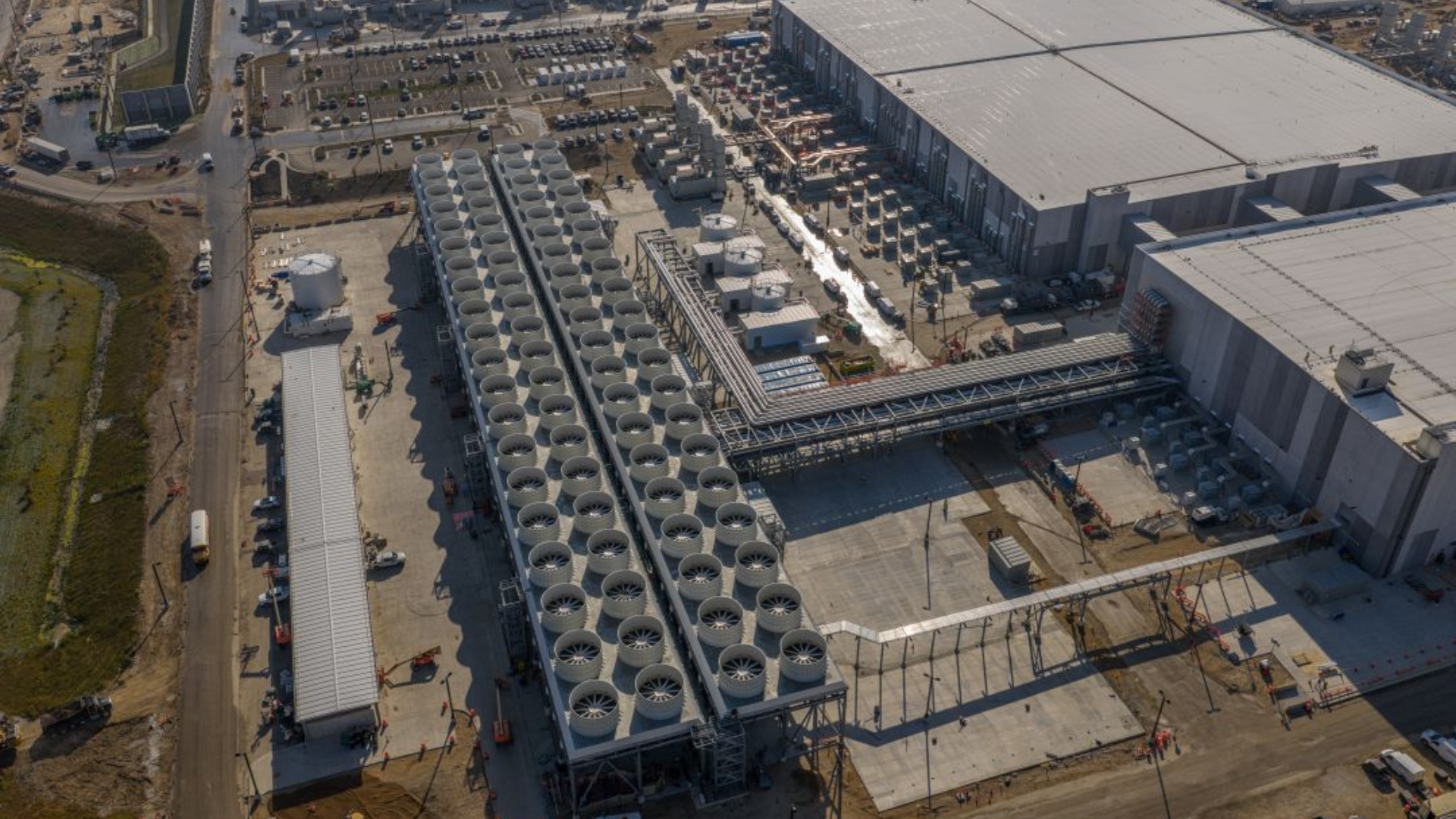
The planned campus is a gigawatt-scale data center project, meaning its electricity demand could reach the scale of a large power plant. Data centers concentrate servers, networking gear, power systems and cooling equipment in one place, and AI workloads can make those power and cooling demands far more intense.
Why was a teacher arrested at the Emporia data center meeting?
In the video, someone can be heard asking that the next person who clapped or otherwise reacted be removed. Officers then approached Claridge, who said, “I have a right to speak,” according to the recording described by 12 News.
Claridge then told officers, “Drag me out,” the report said. Four officers cuffed him and carried him from the meeting to Lyon County Jail. He was charged with disorderly conduct and interference with law enforcement, according to 12 News.
The arrest did not stop the vote. Emporia, about 100 miles southwest of Kansas City, approved the zoning changes needed for the Flint Hills Digital Campus to continue through the permitting process. Approval of the zoning change does not mean construction starts immediately, since the project still has more procedural steps before it can break ground.
What did opponents say about the Flint Hills Digital Campus?
Opponents warned that the project could put pressure on the local electric system and affect residents’ water quality, according to reports from the meeting. Those are the two pressure points showing up again and again in data center disputes: who pays for the grid upgrades, and what happens to local water systems used for cooling or affected by construction.
The fight in Emporia fits a wider pattern of resistance to AI data center projects. A farmer in Oklahoma was arrested in April after exceeding his speaking time by a few seconds and trying to hand paperwork to commissioners at a data center town hall, according to earlier reports. Other jurisdictions have slowed projects while officials study their effects, including one-year moratoriums in Seattle and New York State.
Power costs have become a central policy fight. President Donald Trump created a “ratepayer protection pledge” calling on AI hyperscalers to “pay their own way” for electricity costs, and later expanded it to include states and utility companies. The pledge has no legal or regulatory force, according to reports on the policy.
Oregon is cited as the only state that has enacted a law requiring electricity customers using 20 megawatts or more to cover their fair share. Portland General Electric, the state’s largest power generator, raised data center bills by 30% and cut residential electricity costs by 1.3% under that framework.
Claridge is out on bail and has a hearing scheduled for September. “I'm glad to be out, but this is an inconvenience, really,” he told local media. “It's not really deterring me from speaking out or, I guess, clapping.”
This story draws on original reporting from Tom's Hardware.