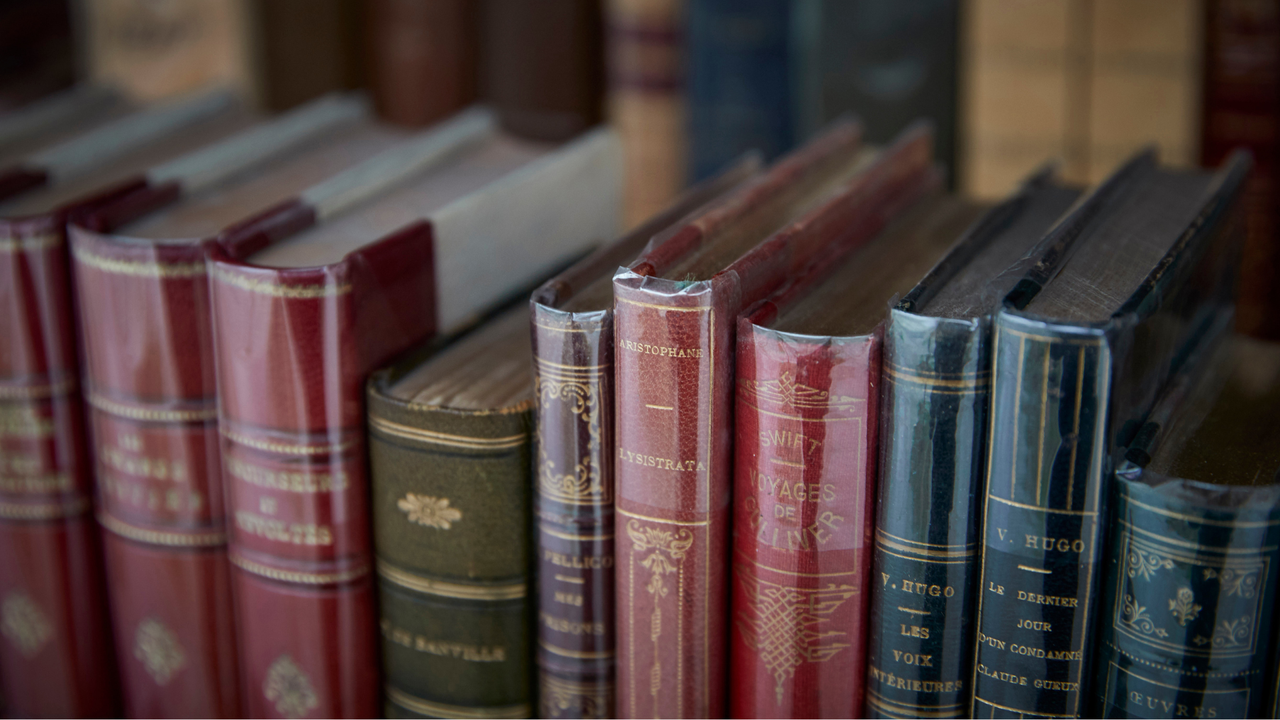
Europe bookstores suspicious AI book orders are raising alarms after a retailer in Galway, Ireland, reportedly received an online request for 5,000 books and bookshops in Berlin saw similarly strange selections. The concern is understandable. The evidence does not identify an AI company, a digitization contractor or any other buyer behind the European orders, and it does not show that the books were scanned or destroyed.
Tom’s Hardware, citing The Irish Times, reported that the Galway order combined titles with little obvious connection to each other. Examples included a history of Connemara and a guide to Ireland’s former Special Savings Incentive Account. Berlin sellers reportedly received requests for titles such as Pass Your Driving Test, 2018 Edition, an odd choice for a conventional customer in 2026.
Scale alone does not establish wrongdoing. Private institutions building collections can place large orders. But Tom’s Hardware reported that sellers found the combination of high volume, obscure or outdated titles, and an apparent absence of bulk-price negotiation unusual. Those patterns led to suspicions that somebody could be collecting text for AI training.
Are European bookstores selling books to AI companies?
There is no documented link in the available reporting. No purchaser has been named, and no shipping records, contracts or statements from a technology company tie the Galway or Berlin orders to AI training. Claims that local delivery addresses may be collection points for onward shipment to the United States, or that automated systems may be seeking missing ISBNs, remain sellers’ or industry figures’ suspicions, not established findings.
The anxiety does have a concrete U.S. backdrop. Reporting on court materials in the copyright case involving Anthropic described an internal project called Project Panama, which sought to digitize purchased physical books through destructive scanning. According to the reporting, vendors removed bindings, cut pages for scanning and discarded the paper originals. That reported practice concerned Anthropic’s U.S. operation; it does not prove the same method or company is involved in Europe.
Large language models learn patterns from training material before they produce text. For a plain-language account of that process, read how LLMs work when they answer a prompt. In this case, the relevant unanswered question is not how a model generates a reply, but who ordered the physical books and what happened after delivery.
The legal context also varies by country. Thomas Koch, a spokesperson for Germany’s Publishers and Booksellers’ Association, told Tom’s Hardware that scanning books in Germany would be impermissible under German law, regardless of purpose. Separate U.S. reporting said a judge found Anthropic’s destructive scanning of legally acquired books lawful in the case described, as transformative use. Neither account supplies a basis for treating the U.S. ruling as a rule for Germany.
Australian secondhand sellers have reported a related but distinct pattern: The Guardian said multiple vendors received bulk orders from Zoom Books, a Canadian company that describes itself as a book recycler. Some sellers suspected an AI supply-chain role, while others raised resale arbitrage as a possible explanation. That reporting is context, not evidence about the European orders.
For European sellers, the immediate problem is more mundane and less solved than the AI speculation suggests: an unusual bulk order can bring needed revenue while involving titles they may regard as significant. Until someone produces a buyer trail, the alleged AI connection remains a warning flag, not a finding.
This story draws on original reporting from Tom's Hardware.