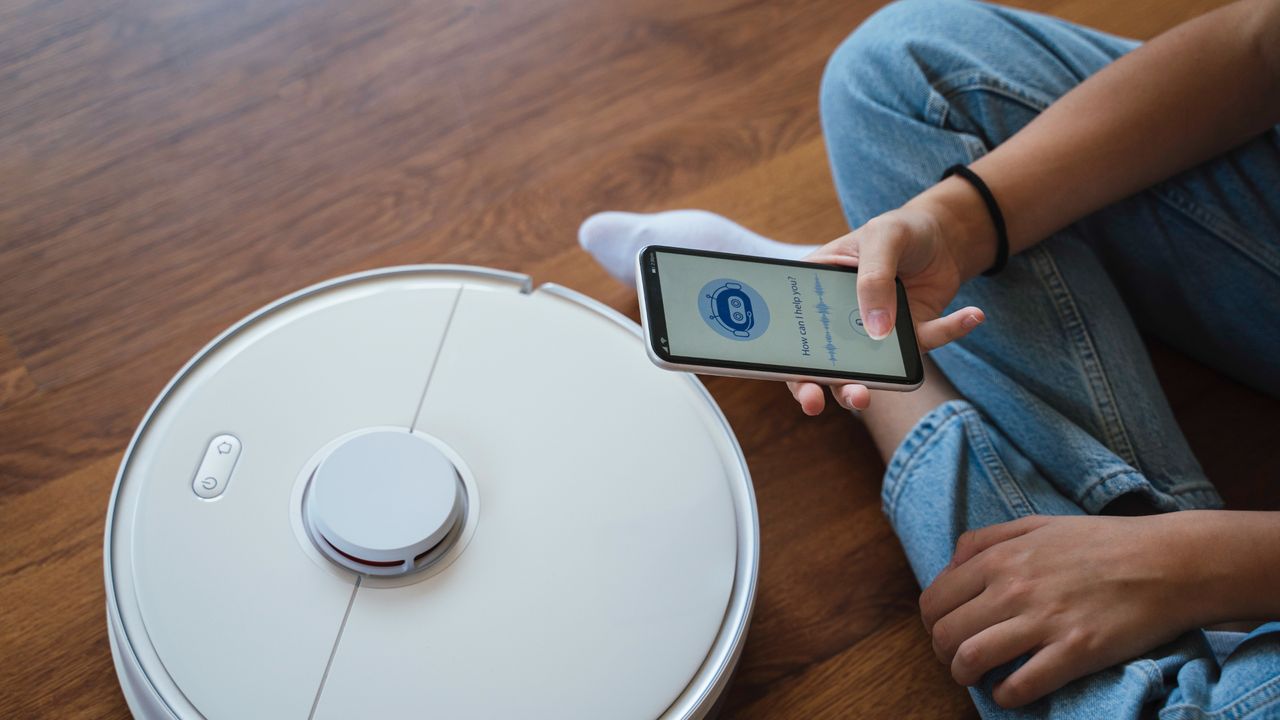
The fcc robot vacuum ban problem is real, according to The Verge: the agency’s new Covered List entry for foreign-produced advanced robotic devices is broad enough to include non-U.S. robot vacuums. The listing also covers connected power inverters and blocks affected new models from the FCC equipment authorization needed before they can be imported, marketed or sold in the United States.
The FCC’s public notice does not single out floor-cleaning bots in the headline. The catch is in the national security determination attached to the notice, which defines a covered robot by function, weight, sensing, connectivity and software rather than by product category.
Does the FCC robot ban include robot vacuums?
Yes, if they meet the rule’s tests. FCC media relations director Katie Gorscak told The Verge that robot vacuums fall within the definition.
The determination covers a mechanical mobile device that can move on the ground, avoid obstacles, follow a route or operate away from a human controller. To qualify, the device must weigh more than 4.4 pounds, including its dock, and carry three things: an environmental sensor, a data connection rated at 200 kbps or faster in either direction, and software used for autonomous movement, perception, data collection or remote command and control.
That connectivity threshold is low enough to catch ordinary consumer hardware. The Verge reported that Bluetooth qualifies, along with cellular, satellite and a Wi-Fi connection. The FCC determination also names “AI or machine-learning model weights” as covered software, which sweeps in the learned parameters that many autonomy systems use to interpret sensor data or choose actions.
What products are excluded?
The FCC carved out six categories. Connected vehicles of any gross weight are excluded, as are rail vehicles, uncrewed aircraft, uncrewed underwater vehicles, FDA-regulated devices such as surgical systems and powered wheelchairs, and fixed industrial robot arms including SCARA, delta and gantry designs. Drones were handled separately when the FCC added them to the Covered List in December, according to Tom’s Hardware.
The “foreign-produced” label uses the Buy American Act test in 48 CFR § 25.101(a), according to the FCC determination. Under that rule, a product must be manufactured in the United States and, for goods delivered through 2028, domestic components must account for more than 65% of total component cost. The threshold rises to 75% from 2029.
There is a wrinkle for mass-market goods. The same rule waives the component-cost test for commercial off-the-shelf products, which would leave U.S. manufacturing as the key requirement for many consumer robots. Manufacturers can also seek a Conditional Approval from the Department of Defense to remove the restriction. Tom’s Hardware reported that Netgear and Amazon’s Eero brand obtained that kind of approval within weeks after the FCC’s router ban in March.
Software updates got a temporary escape hatch
Covered List status can also block Class I and Class II permissive changes under FCC rules, the path companies use to update already certified hardware with firmware and security fixes. The FCC’s Office of Engineering and Technology paused those prohibitions for robots and inverters within hours of the new listing, mirroring earlier relief for drones, routers and both categories through 2029, according to Tom’s Hardware.
The business risk is not theoretical. DJI said in an April court filing that the FCC revoked authorizations for 14 existing products and blocked 25 planned launches for 2026. Nikkei Asia, citing Chinese customs data, reported that civilian drone exports to the United States have fallen 60% to 70% year over year since December. DJI is challenging its Covered List designation in court.
This story draws on original reporting from Tom's Hardware.