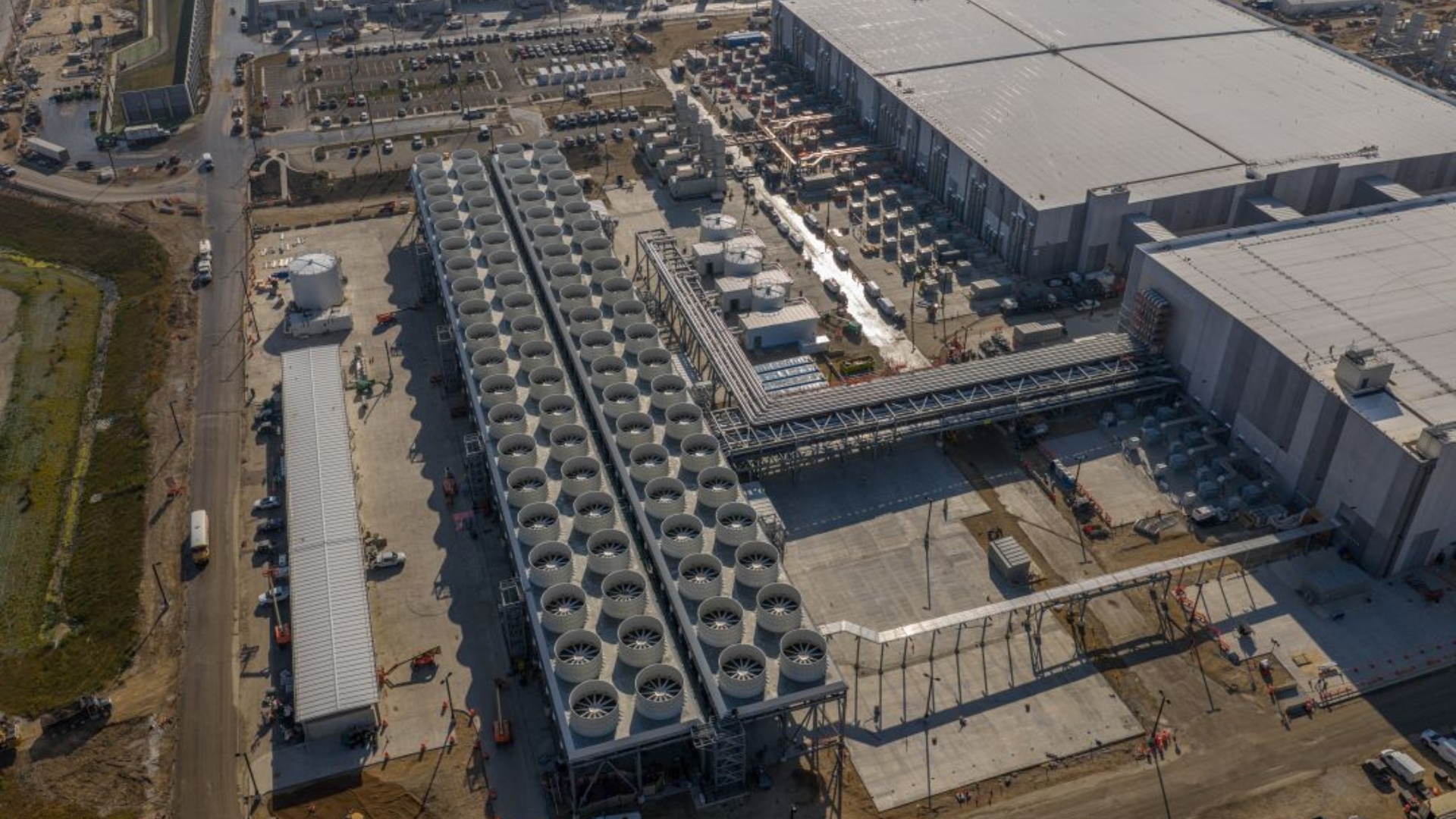
Iranian state media said the Islamic Revolutionary Guard Corps fired cruise missiles at an Amazon Web Services facility in Bahrain and destroyed it, a claim that would put U.S. cloud infrastructure squarely inside the latest round of U.S.-Iran retaliation.
The report, carried by Sepah News, described the strike as a response to U.S. bombing of an under-construction nuclear plant in Darkhovin, Iran, near the Iraqi border. The claim has not been matched by a new public technical update from Amazon about the Bahrain site.
For AWS customers, the operational question is less theatrical than the missile claim: whether workloads in the Middle East region are actually reachable. Amazon’s AWS Health Dashboard listed the Middle East (Bahrain) Region, ME-SOUTH-1, as “currently unavailable” in its last referenced update. The service status had already been ugly before this latest claim.
AWS Bahrain was already in trouble
The Bahrain region had previously been hit during the conflict, according to earlier reports of drone and missile attacks against multiple AWS Middle East regional data centers. Amazon placed affected sites in “hard down” status between late March and early April, after damage and service disruption mounted.
Amazon has not publicly said whether repair work has started at the Bahrain facilities. The company also has not issued a fresh update describing the condition of the data center after the latest IRGC claim. That leaves a gap between Iranian state media’s assertion of destruction and the kind of boring, useful evidence cloud customers need: power status, network status, affected availability zones, and restoration timelines.
The reported strike did not appear to create a new visible disruption for Amazon customers, according to the available account, because Amazon had already shifted customers to facilities outside the conflict zone. That is the cloud business doing what it promises on the tin, although customers generally prefer redundancy plans that do not involve cruise missiles as the failure mode.
The strike follows a collapsed ceasefire
The U.S. and Iran agreed to a ceasefire on June 17, 2026, but it fell apart after Iran allegedly attacked three ships in the Strait of Hormuz sailing in Omani waters on July 7. The breakdown was followed by retaliatory attacks, including an Iranian strike that caused American casualties in Jordan.
U.S. Central Command said it targeted IRGC forces that had launched attacks against U.S. service members in Jordan on July 17. It also struck the Darkhovin nuclear plant that remains under construction, according to the account. The IRGC tied its latest claimed attack on AWS Bahrain to those U.S. actions.
The AWS claim also fits a broader pattern of Iranian threats against U.S. technology companies operating infrastructure in the region. The IRGC has directly threatened companies including Microsoft, Apple, Google, and OpenAI, according to earlier reports, including threats against OpenAI’s planned Stargate data center in Dubai.
This story draws on original reporting from Tom's Hardware.