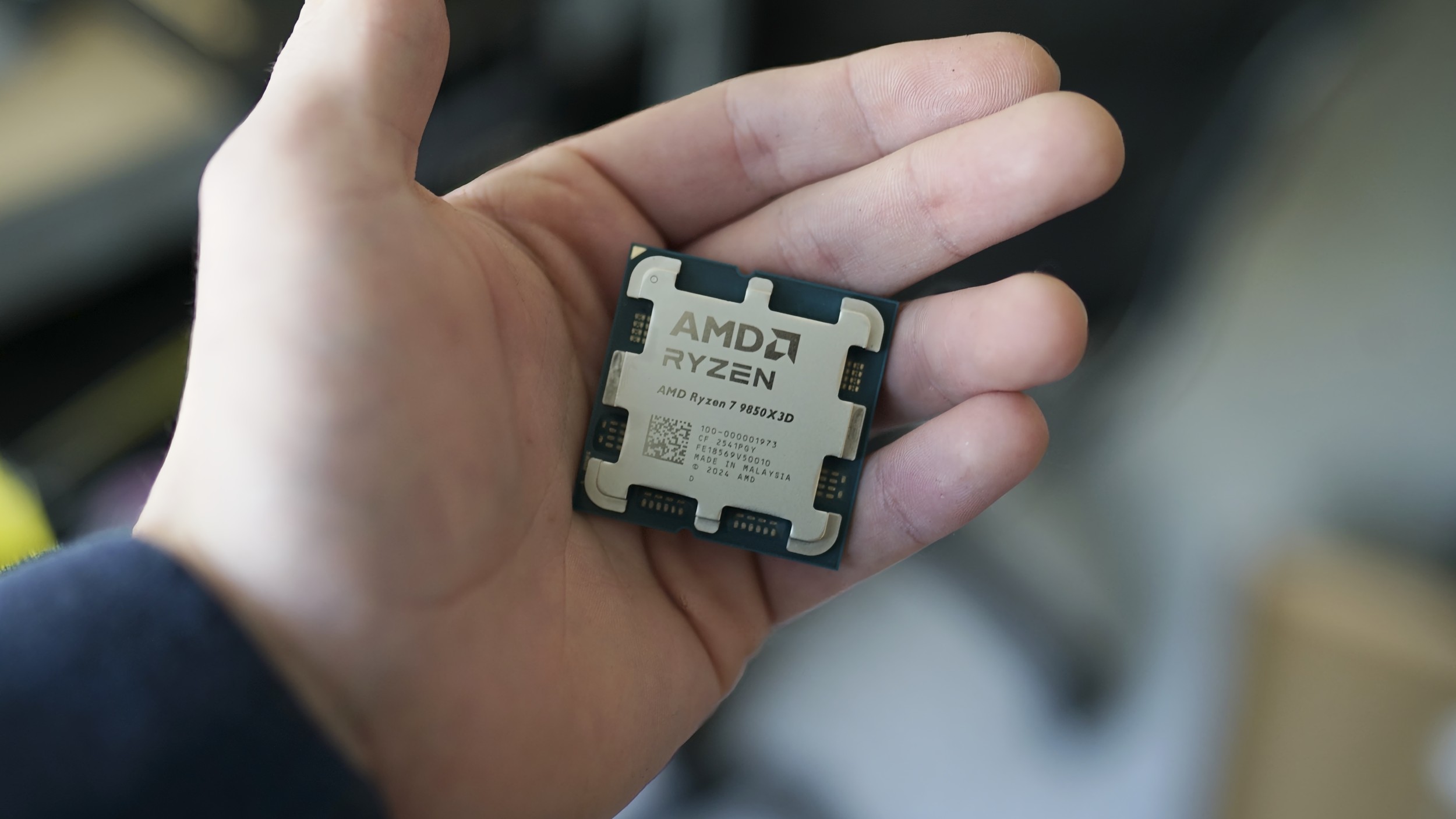
Meta is reportedly getting a narrower AMD accelerator built for the recommendation systems that decide what users see across Facebook and other social platforms. According to SemiAnalysis, the custom Instinct MI450-series part will carry 144GB of HBM4 memory, far below the 432GB planned for AMD’s full Instinct MI455X.
The trade is blunt: less memory, less compute, lower cost, and fewer places where the chip makes sense. SemiAnalysis says Meta’s custom version uses six 8-Hi HBM4 packages and includes “significant decreases in compute.” The standard Instinct MI455X, by comparison, is listed with 432GB of HBM4 and 19.6TB/s of bandwidth, resources aimed at larger training and inference jobs.
That difference matters because high-bandwidth memory is one of the expensive parts of an AI accelerator package. Cutting HBM4 capacity from 432GB to 144GB should reduce the bill of materials, shrink the package, and lower power use for workloads that do not need the full memory footprint, according to the report. The design is meant to improve bandwidth per dollar for recommendation systems, where Meta can tune hardware around a narrower job instead of buying a more flexible accelerator for everything.
SemiAnalysis also says the custom part could give Meta a better CPU-to-GPU balance for recommendation workloads. In practice, that means Meta may be trying to avoid overbuying compute it will not use heavily in those systems. If the chips spend their useful lives ranking feeds, ads, or similar recommendation tasks, the narrower design could improve total cost of ownership.
The catch is the boring one that tends to matter in data centers: specialized hardware is less useful when the workload mix changes. A full Instinct MI455X can be reassigned to training, inference, or other accelerator-heavy jobs. A cut-down part with 144GB of HBM4 and reduced compute is less attractive for modern large language model training and inference, where memory capacity and bandwidth are valuable.
That limitation points to a likely split in Meta’s accelerator fleet if SemiAnalysis’s report is accurate. Meta may use custom AMD silicon for selected recommendation systems while continuing to rely on higher-end AMD Instinct systems or Nvidia platforms for frontier model training and inference. The report notes that Nvidia could benefit from that split because Meta already operates substantial Nvidia infrastructure.
AMD and Meta have already disclosed a broader supply agreement under which AMD will provide Meta with 6GW of Instinct AI accelerators over five years. The companies said at the time that some of those accelerators would be custom designs, including parts based on the Instinct MI450 design. SemiAnalysis’s claim narrows the picture: at least some of the custom AMD hardware appears aimed at select workloads rather than a general replacement for high-end AI training hardware.
This story draws on original reporting from Tom's Hardware.