Moonshot AI reportedly used Nvidia Blackwell chips to train Kimi K3, despite U.S. rules barring sales of the advanced AI hardware to Chinese firms and Chinese controls that restrict imports as Beijing pushes local accelerators. The Information reported, citing people familiar with the matter, that the Beijing startup used two Chinese companies that had Blackwell systems in their data centers.
The report lands in the messiest part of the AI hardware fight: the chips needed to train frontier large language models are controlled by Washington, politically sensitive in Beijing, and still apparently reachable through intermediaries, remote access, and overseas arrangements.
How did Moonshot AI reportedly access Blackwell chips?
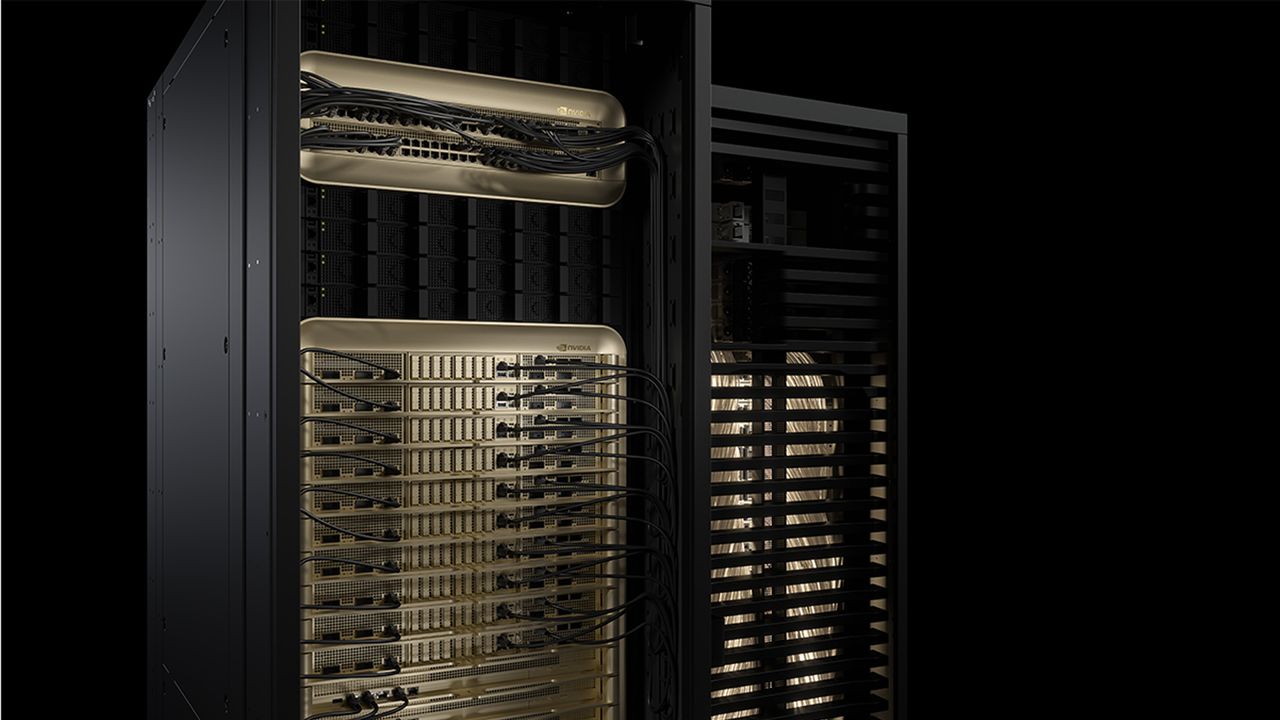
According to The Information, neither of the two Chinese firms had enough Blackwell capacity on its own for Moonshot to train Kimi K3. Moonshot therefore had to connect multiple eight-chip Blackwell servers, including systems spread across data centers, to assemble the compute it needed.
That is not a trivial plumbing job. Training a frontier model requires many GPUs to exchange data at high speed while keeping the model state synchronized. Stretching that setup across separate facilities adds latency and reliability problems, which means the workaround is not just a procurement story. It is also an engineering tax caused by scarce hardware.
The Information also reported that Moonshot is seeking more Blackwell access as it prepares Kimi K4. The outlet cited a researcher at a major Chinese technology company who works on model training and said Kimi K3 had kicked off a new round of competition inside China’s AI industry. That researcher told The Information that domestic Chinese AI chips remain one or two generations behind Nvidia’s current parts and are backed up by several months of orders.
What is Kimi K3 running on now?
For inference, the work of serving answers after a model has been trained, Moonshot is reportedly using Nvidia’s HGX H20 systems. The H20 is a China-market, previous-generation Nvidia AI product that the report says is not blocked by trade rules on either side of the Pacific.
Moonshot recommends configurations with at least 64 H20 GPUs to run Kimi K3, according to the report. Demand for the open-weight model appears to have exceeded Moonshot’s own serving capacity, leaving subscriptions on a waiting list. Because Moonshot released Kimi K3’s weights this week, other inference providers can also host the model, which may reduce pressure on Moonshot’s own systems.
Why are U.S. officials watching Moonshot?
White House Office of Science and Technology Policy Director Michael Kratsios claimed in a post on X last week that Moonshot had acquired servers equipped with Nvidia GB300 chips and had accessed GB300 systems in Thailand. GB300 is part of Nvidia’s Blackwell family.
The distinction matters because U.S. export controls target sales of advanced chips to China, while remote rental of compute has been a more awkward loophole. A proposed Remote Access Security Act is meant to treat remote access to controlled AI chips as an export event. How U.S. officials would enforce that across foreign cloud operators and other jurisdictions remains unresolved.
The U.S. Department of Commerce is formally investigating whether Chinese firms are getting access to advanced American AI chips such as Blackwell GPUs, The Information reported. Moonshot’s reported Kimi K3 training run shows why that probe matters: chip controls written around boxes crossing borders are colliding with a market where compute can be rented, pooled, and stitched together from wherever someone can get a login.
This story draws on original reporting from Tom's Hardware.