OGBC Group has launched a hardware accelerator in downtown San Francisco, betting that the next wave of AI startups will need more than GPUs, pitch decks and rented desks. The Singapore-based investment platform is trying to connect Bay Area technical talent with manufacturing and supply-chain capacity in Asia and other global hardware centers.
The accelerator is aimed at early-stage founders building physical products, with an initial focus on robotics and embodied AI, consumer technology and smart hardware, and space-tech and aerospace projects. That makes the program less like a standard software incubator and more like an infrastructure layer for companies that need prototypes, tooling, components and production partners before they can sell anything real.
Hardware remains a slower and more expensive category than software because mistakes show up in materials, factory schedules and compliance work, not just in code commits. OGBC is pitching the San Francisco hub as a way to shorten that path for founders who can design in Silicon Valley but need access to manufacturing systems elsewhere.
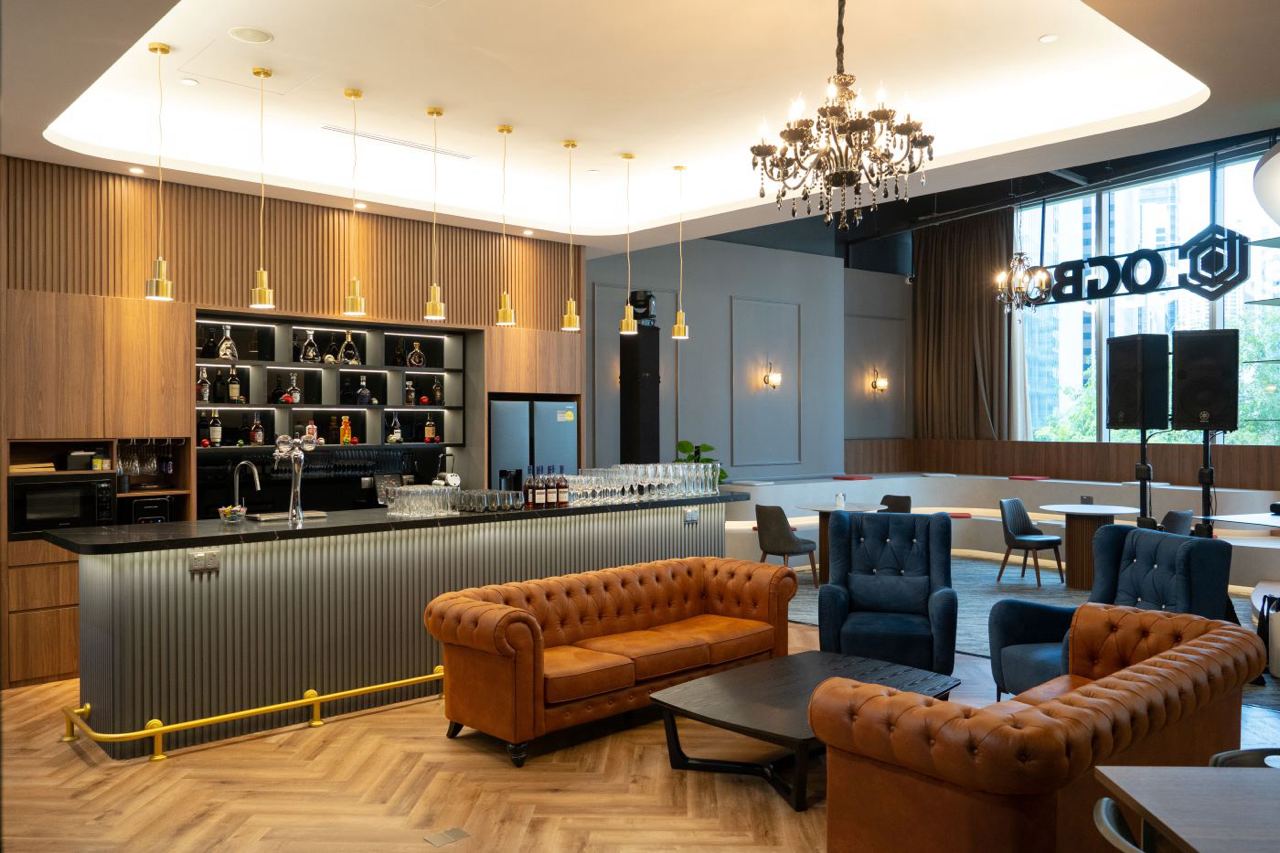
The new site provides shared workspace and operational support in a city where startup costs remain a practical constraint for small teams. The Singapore-based investment platform said the hub is designed to reduce early cash pressure while giving companies access to capital, technical networks and talent in the Bay Area.
Robotics, smart devices and space hardware
The first cohort is organized around three categories. In robotics and embodied AI, OGBC is targeting teams that combine AI models, control systems and physical machines. In consumer technology and smart hardware, the program covers work such as tooling, PCB assembly and product execution. In space tech, it is aimed at companies working on aerospace hardware and commercial space systems.
OGBC says the San Francisco hardware accelerator for robotics and embodied AI will use the company’s industrial networks for rapid prototyping, specialized tooling, component sourcing and commercial-scale production. Those are the unglamorous parts of hardware startups that often decide whether a demo becomes a business.
The company’s model draws on earlier work around FP Solutions, a hardware company founded by former Tesla and SpaceX manufacturing executives. Through its investment in FP Solutions, OGBC says it built experience and relationships across space infrastructure, robotics and climate-tech hardware.
OGBC has also built hardware incubation and manufacturing links through hubs including Kuala Lumpur and Melbourne. The San Francisco expansion adds a Silicon Valley front end to that cross-border setup: local company formation, founder support and investor access on one side, production and supply-chain help on the other.
According to OGBC, the accelerator is intended to shrink development cycles that can take a year into much shorter windows, in some cases measured in weeks. That is a projection, and hardware timelines have a habit of humiliating spreadsheets. Still, the direction is clear: AI-era hardware founders are looking for ways to get out of the lab faster without building a factory network from scratch.
Applications for the first global hardware cohort are now open. OGBC has not named participating startups in the inaugural group.