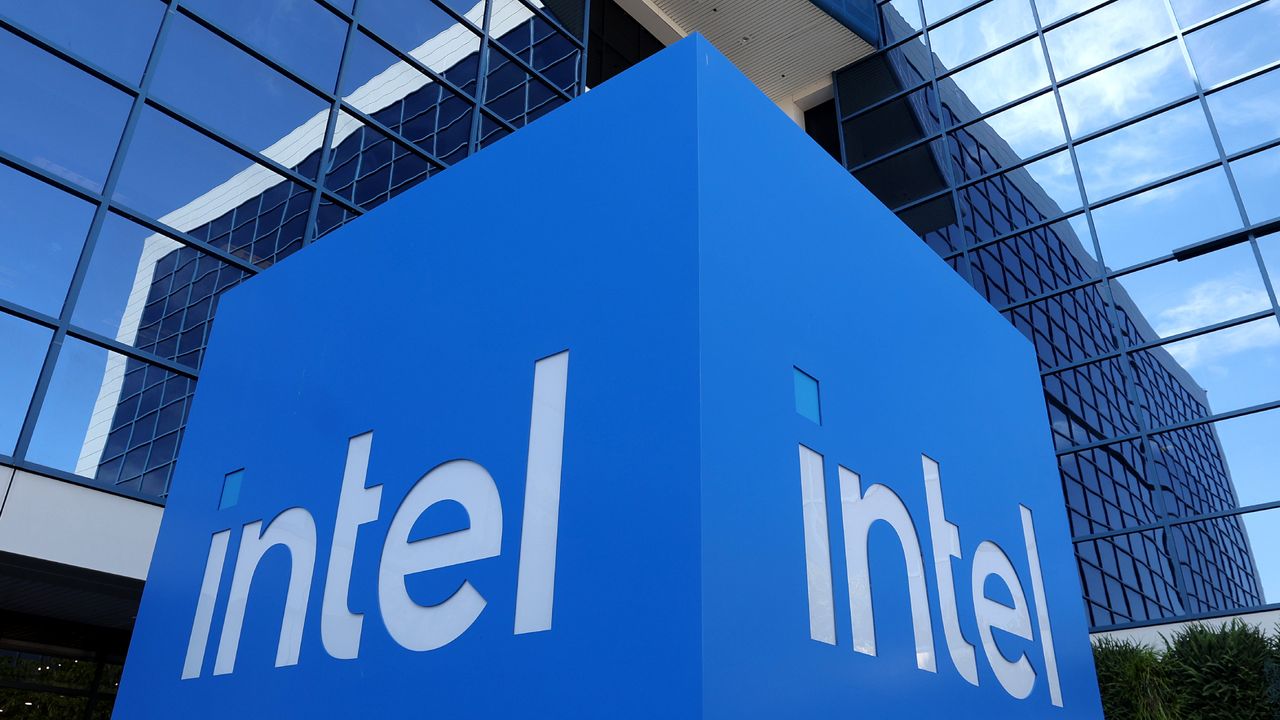
Intel said Monday it will spend €5 billion, about $5.7 billion, to expand chip production at its Leixlip site in County Kildare, Ireland, with the money aimed at making more Intel 3 wafers for Xeon 6 and future server processors.
The decision matters because Intel says server and AI demand is running ahead of what it can currently supply. Naga Chandrasekaran, Intel’s chief technology and operations officer and general manager of Intel Foundry, told Reuters that demand for servers and AI is increasing the need for Intel 3 wafers.
The Ireland spending is roughly 30% of Intel’s planned 2026 capital expenditure of about $17 billion. Intel said the work is expected to be largely in place by the end of 2027. The company also said it will add several hundred permanent jobs to its Irish workforce of 4,900, while about 2,000 specialist tradespeople will work on the build-out.
What Intel is expanding
Intel is not building a new fab in Ireland as part of this plan, according to the details reported. The money goes into existing cleanrooms, new production equipment and a larger automated transport system that ties the campus’s manufacturing modules together. Intel said the work began earlier this year.
Fab 34 is the center of the project. Chandrasekaran told the Irish Times that Ireland is Intel’s center for Intel 3 and that Intel is not running that process in any other Intel manufacturing site. That makes Leixlip both strategically useful and awkwardly exposed. If Intel 3 capacity has a problem there, Intel has no second Intel 3 factory to lean on.
Fab 34 began high-volume Intel 4 production in September 2023 and was described as Europe’s first EUV facility. It now makes products on both Intel 4 and Intel 3, including compute tiles for Core Ultra chips and Xeon 6 server processors. Intel has invested more than €30 billion in Ireland since 1989, with more than half of that spending between 2019 and 2023, when it doubled the manufacturing footprint at the campus.
Why Ireland, after Germany and Poland
The move follows Intel CEO Lip-Bu Tan’s cancellation of a planned €30 billion fab complex in Magdeburg, Germany, and a €4.6 billion assembly and test plant in Wrocław, Poland. In a memo at the time, Tan wrote that Intel had invested too much and too early without enough demand.
Those scrapped European projects had public money attached. Magdeburg had about €9.9 billion in pledged German subsidies, while Wrocław had €1.9 billion in approved EU state aid. Intel has not announced Irish or EU state aid for the new Leixlip expansion.
Intel’s control over the Irish fab also changed this year. In April, the company bought back the 49% stake in the Fab 34 joint venture that it had sold to Apollo-managed funds in 2024. Intel paid $14.2 billion after selling the stake for $11.2 billion, giving Apollo a roughly 27% gain in under two years. Intel now owns all wafer output from Leixlip.
Server chips are paying the bill
Intel’s Data Center and AI revenue rose 22% year over year to $5.1 billion in the first quarter of 2026. Chief financial officer David Zinsner told analysts on Intel’s April earnings call that demand exceeded supply across the company’s server lines.
Intel Foundry revenue rose 16% to $5.4 billion in the same quarter, but external foundry revenue was only $174 million and the unit posted a $2.4 billion operating loss. On those numbers, the Leixlip tools are being justified mostly by Intel’s own Xeon chips, not outside foundry customers.
Intel 3 is the most advanced process now manufactured in Europe, according to the reported details. Chandrasekaran told the Irish Times the expansion supports the EU’s technology sovereignty goals. The irony is hard to miss: Europe’s leading-edge logic production is being expanded by a U.S. company for its own products, while TSMC’s subsidized €10 billion Dresden project is planned for 28/22nm and 16/12nm chips for automotive and industrial customers.
Ireland is not a cheap place to run fabs. Commercial electricity prices there run up to twice what Intel pays in Arizona or Taiwan, and Intel warned Irish ministers in August 2025 that energy costs threatened its competitiveness. IDA Ireland paid Intel €30 million in 2023 to offset elevated EU power costs. That complicates any tidy claim that the Ireland expansion sits entirely apart from public support.
This story draws on original reporting from Tom's Hardware.