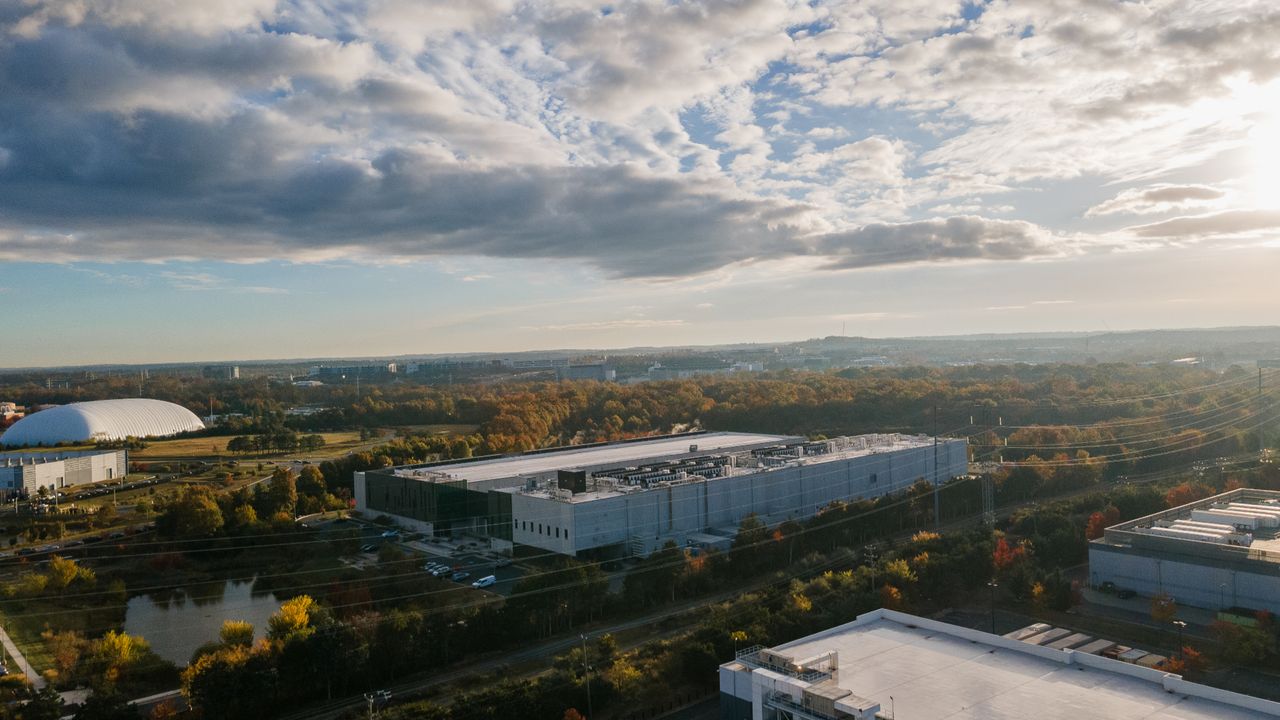
The proposed Plymouth Township data center north of Philadelphia is still alive, but local officials say developer Brian O’Neill must satisfy 43 conditions before the AI project can win approval.
Plymouth Township, about 13 miles from Philadelphia, laid out the requirements in a nine-page council statement covering noise, lighting, air emissions, water demand, electricity use, land use, taxes and eventual decommissioning. Ars Technica reported that Pennsylvania law limits a township’s ability to stop a lawful property use outright, while still allowing local governments to enforce zoning, health and safety rules.
That legal lane explains the township’s strategy. Rather than reject or indefinitely stall the application, the council said it would let the process continue while attaching a long list of conditions drawn from resident concerns, council concerns and outside subject-matter input.
“The Council can, should, and will do everything in its power to ensure the health, safety, and welfare of the Township, our environment, and our residents,” Council President Lynne Viscio said in a statement. She said hyperscale data centers raise “numerous significant concerns, issues, and questions,” and that the council spent substantial time developing rules to address them.
What does Plymouth Township want from the data center?
The township’s conditions target the dull but consequential parts of a data center: how much noise its cooling systems make, how much light spills into nearby areas, what it emits, how much water and power it consumes, how the site is used, what taxes apply and what happens when the facility is retired. A hyperscale data center is a very large computing facility built to run high-density server workloads, which in AI projects can mean unusually heavy power and cooling demand.
According to the township, the applicant at first indicated a willingness to implement the provisions. The dispute escalated after the developer filed a second application challenging the zoning provisions, arguing that the conditions made the project “too difficult” to build.
Plymouth Township’s council sharply rejected that move, calling it “a blatant attempt by the Applicant to demand approval by tantrum.” The application is now awaiting action by the Zoning Hearing Board, and the township has not said what its next procedural step will be.
O’Neill, in comments to the Philadelphia Inquirer, disputed the township’s characterization. He said allegations against the project were part of a “misinformation campaign” and said he had been “negotiating in good faith” with the township’s attorney. O’Neill also told the newspaper he had agreed to most of the provisions.
“We are sympathetic to the fact that they are under tremendous political scrutiny from people outside the township, as well as residents inside the township,” O’Neill told the Inquirer, adding that such pressure made recognizing a landowner’s property rights challenging. He said he has rights as a landowner and that local officials must be “impartial and fair” in their review.
The township’s list tracks problems that have turned data centers into local political fights elsewhere: constant industrial noise, higher electricity costs tied to AI demand, water-system contamination and pollution allegations involving on-site power generation. Plymouth’s message is blunt enough: if the project is going to consume town-scale resources, the town wants the operating rules written down before the servers arrive.
This story draws on original reporting from Tom's Hardware.