RTX 50 prices in China have moved sharply higher in new distributor pricing for MSI and Colorful graphics cards, with some Nvidia Blackwell models now listed far above their official suggested prices. Wccftech reported that the changes come as memory costs rise across the GPU market, and that AMD and Intel cards are also seeing price pressure.
MSI’s list is the cleaner read because it includes both the prior channel price and the updated one. Across the listed models, MSI’s increases range from 8.48% to 20% compared with prices from a week earlier. Those older prices were already above Nvidia’s official MSRPs, so the gap against suggested pricing is uglier than the week-to-week move suggests.
The steepest MSI week-over-week increase is on the GeForce RTX 5080 16GB Shadow 3X OC/Ventus, which rose from ¥9,999 to ¥11,999, a 20% increase. MSI’s RTX 5080 Gaming Trio OC models moved from ¥10,999 to ¥12,999, up 18.18%.
Against base MSRP, MSI’s RTX 5070 Ti Gaming Trio OC is the standout offender: ¥9,699 versus a listed MSRP of ¥5,499, or 76.38% higher. The RTX 5070 Ti Shadow 3X OC is 67.28% above MSRP. MSI’s RTX 5090 D v2 Ventus 3X OC is now ¥25,999, compared with an MSRP of ¥16,499, which puts it 57.58% higher.
How much did RTX 50 prices rise in China?
For MSI, the confirmed week-over-week distributor increases run from just under 9% to 20%, depending on the card. Compared with MSRP, the same MSI list shows premiums as high as 76.38%, because many models were already selling above their suggested prices before this latest adjustment.
Colorful’s list does not include prior street prices, so the comparison is against MSRP only. Wccftech reported the RTX 5080 Vulcan W OC 16GB at ¥13,199 against an ¥8,299 MSRP, a 59% premium. The RTX 5070 Ti Vulcan W OC 16GB is listed at ¥9,999 against ¥6,299, or 58.7% higher.
- Colorful RTX 5080 Vulcan W OC 16GB: ¥13,199, up 59% versus MSRP.
- Colorful RTX 5070 Ti Vulcan W OC 16GB: ¥9,999, up 58.7% versus MSRP.
- Colorful RTX 5070 Vulcan X OC 12GB: ¥7,199, up 56.6% versus MSRP.
- Colorful RTX 5060 Ti 8GB and RTX 5060 variants are generally under 30% above MSRP in the listed data.
The RTX 5090 D v2 also deserves a note because it is the top Blackwell model available in China in this list. It is a reduced version of the RTX 5090, with 24GB of VRAM rather than 32GB, according to the distributor data summarized by Wccftech.
Why are GPU prices rising?
The reported mechanism is not mysterious: VRAM is getting more expensive. Wccftech cited reports of a roughly $20 increase per memory module, which would add nearly $100 to an 8GB card after taxes, about $130 to a 12GB card, and roughly $180 to a 16GB card before accounting for the usual retail markup games.
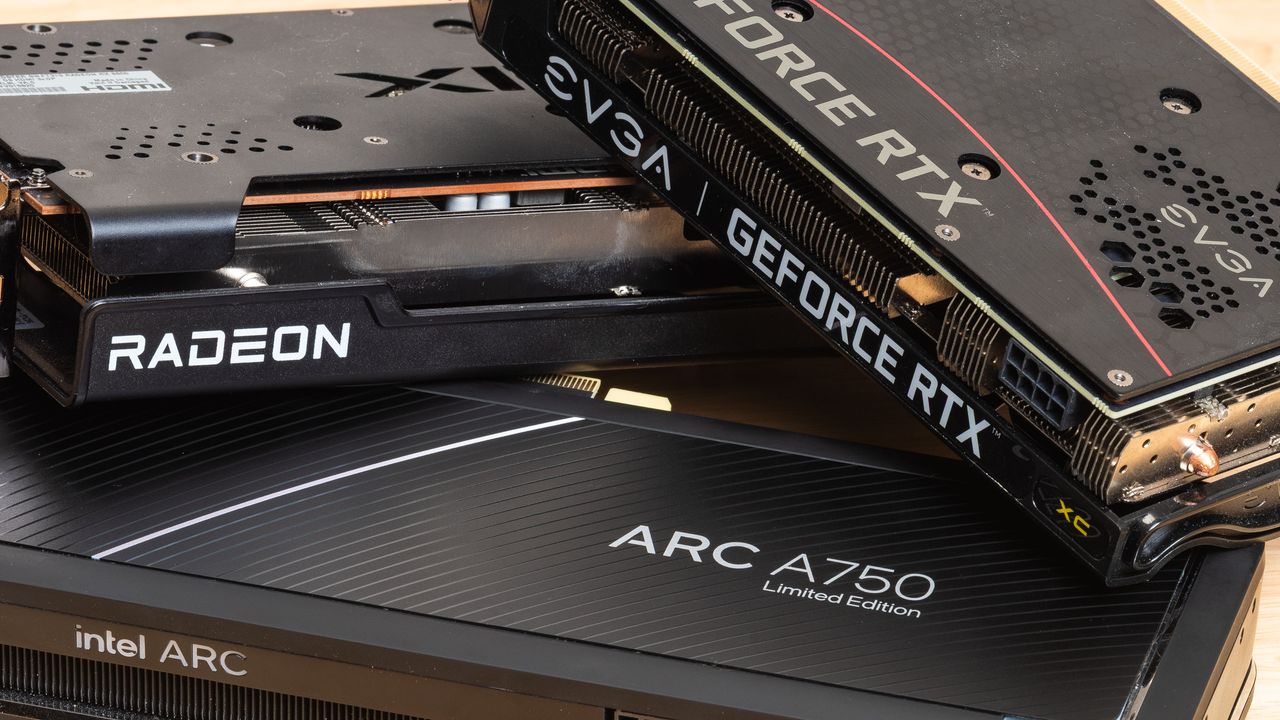
Wccftech also reported that AMD and Intel cards are getting pulled into the same mess. AMD GPUs are selling 14% to 29% above MSRP, with the RX 9060 XT 16GB listed as the worst case at 28.8% above MSRP. Intel cards are reportedly seeing increases of about $200 to nearly $300.
Distributor pricing is not the same thing as every retail checkout price, but it is the pipe retailers buy through. When that number moves, buyers usually feel it soon enough, unless inventory, rebates, or plain old competition absorb the hit. The current lists suggest less absorbing and more passing the bill along.
This story draws on original reporting from Tom's Hardware.