RTX 50 prices in South Korea are reportedly heading higher this month, with some graphics-card makers preparing increases of as much as 30%, according to reporting by Tom’s Hardware that cited domestic importers, distributors and manufacturing officials. For buyers, the immediate evidence is in specific local listings, while the reported cost explanation remains unconfirmed by Nvidia and its suppliers.
The reported 30% figure is a ceiling for planned increases on some models, not proof that every GeForce RTX 50 card has risen by that amount. It also is not evidence of a price increase outside South Korea.
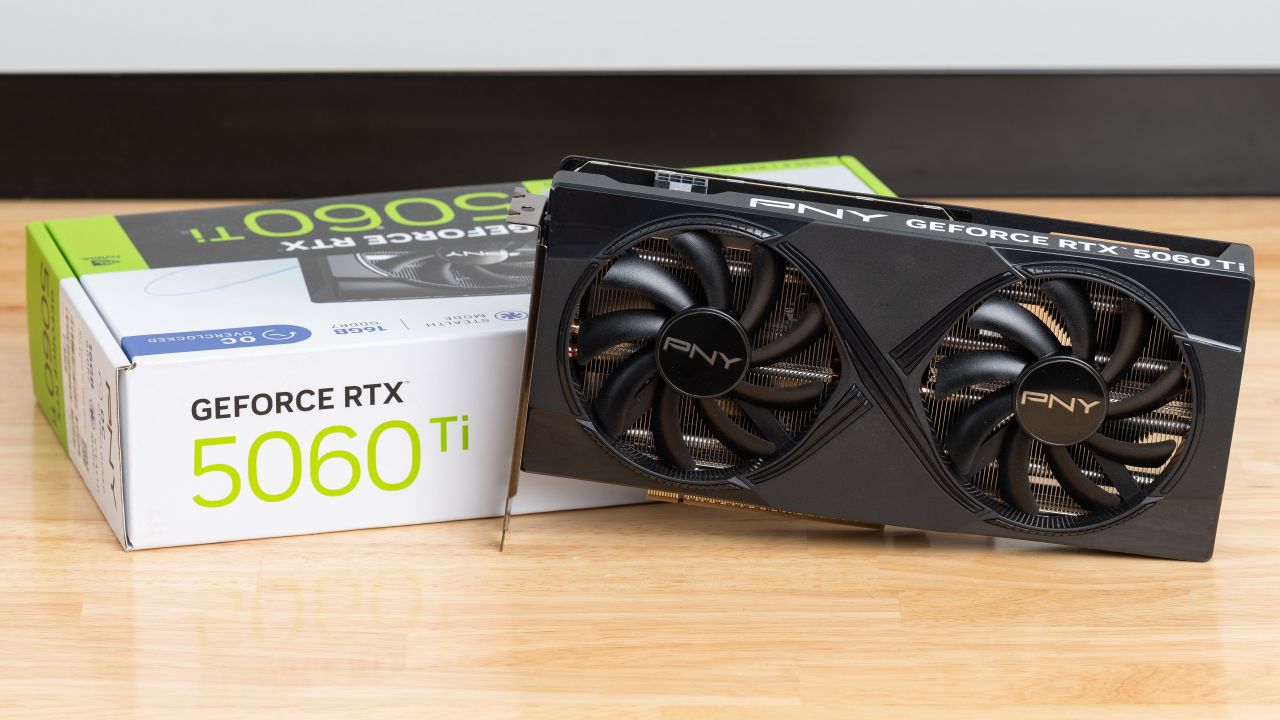
Tom’s Hardware reported that Danawa, a South Korean price-comparison service, listed the least expensive RTX 5060 Ti 8GB at about 700,000 won, roughly 100,000 won higher than before. The lowest-priced RTX 5070 was listed at about 1.1 million won, an increase of around 200,000 won.
Some RTX 5090 configurations were listed as high as 7.3 million won, or about $5,112, according to the report. That was said to be as much as 1.5 million won above the prior month. The figures imply a previous price near 5.8 million won, making the maximum reported jump about 26% from that implied earlier price. That is broadly within the reported “up to 30%” range, but it does not demonstrate the maximum across the lineup.
Why are RTX 50 prices rising in South Korea?
The supply-chain explanation is reported, not publicly confirmed. Tom’s Hardware said the price pressure was attributed to reported higher TSMC advanced-process wafer prices and rising GDDR7 memory costs. It said ZDNet Korea cited TrendForce for a reported price of $20 for a 2GB GDDR7 module used in RTX 50 cards.
The same report said Nvidia had raised the prices of RTX 50 GPU packages sold to board partners, which then passed higher costs to consumers. Nvidia has not supplied a public confirmation of that alleged package-price change in the material available here. Igor’sLAB likewise described reports of higher GeForce kit prices as unconfirmed by Nvidia.
An unnamed manufacturing official told the Korean report that major manufacturers had temporarily halted shipments ahead of the August increase and that few companies had obtained inventory before it. A local distributor separately said one smaller-share manufacturer was considering an increase of about 20%, while others were preparing increases up to roughly 30%.
That reporting does not establish a global repricing. Tom’s Hardware suggested that market dynamics could extend beyond one region, but offered no confirmation for other markets. TweakTown separately reported price changes on selected Colorful and MSI RTX 50 cards in China, based on distributor sheets. Igor’sLAB cautioned that inventory, contracts, regional stock, discounting and competition can delay or alter any retail pass-through. In other words, South Korean listings are real data points, not a worldwide price list.
This story draws on original reporting from Tom's Hardware.