Samsung and SK Hynix US deals involving major American technology companies are expected to be announced during South Korean President Lee Jae Myung’s Silicon Valley visit, Bloomberg reported Friday, citing presidential policy chief Kim Yong-beom.
Kim told Bloomberg the announcements would involve “very large sums,” but did not give financial terms. He said the deals would likely include strategic partnerships, memorandums of understanding and long-term agreements to supply memory chips.
The timing is not accidental. Lee is in the San Francisco area for a high-profile AI summit that begins Friday, according to Bloomberg. The event is expected to bring together Samsung chief Lee Jae-yong, SK Group chairman Chey Tae-won, Nvidia CEO Jensen Huang, and the heads of OpenAI, Anthropic and Broadcom, among others.
What are the Samsung and SK Hynix US deals?
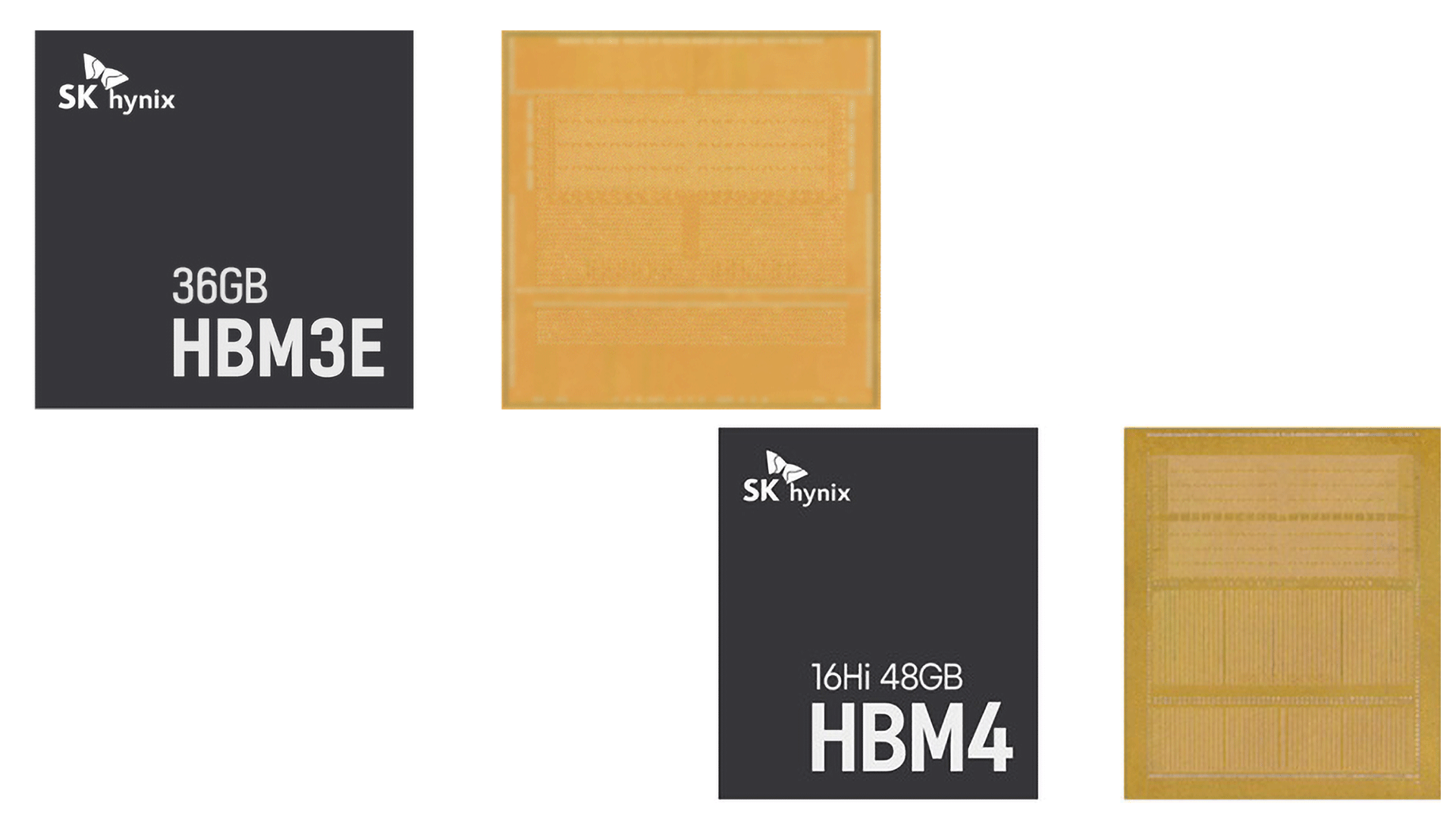
Based on Kim’s comments to Bloomberg, the expected agreements are centered on memory chips, the parts that store and move data for computing systems. In AI infrastructure, memory supply is a bottleneck because accelerators are useful only if they can be fed data quickly and reliably.
Kim did not identify which U.S. companies would sign which agreements, and Bloomberg did not report finalized dollar amounts. That leaves the precise commercial shape of the deals unclear until the companies announce them.
The reported agreements come after South Korea announced an $880 billion investment plan last month, backed by Samsung, SK Hynix and Naver, aimed at expanding the country’s AI and semiconductor capacity. Bloomberg reported that the plan covers chip production, data centers and physical AI projects.
Kim said Lee’s visit and the summit could help complete negotiations that have been under way between South Korean technology companies and U.S. counterparts, according to Bloomberg. He also said the trip could help turn part of the investment plan announced last month into specific projects.
Who is Lee Jae Myung meeting in Silicon Valley?
Bloomberg reported that Lee is scheduled to hold separate meetings with Nvidia’s Jensen Huang, OpenAI CEO Sam Altman, Anthropic CEO Dario Amodei and Broadcom CEO Hock Tan. Those meetings put South Korea’s two dominant memory suppliers in the same orbit as the companies buying the compute infrastructure that is straining global chip supply.
Kim also addressed the question of whether Washington has pushed Samsung and SK Hynix to build more chips in the United States. He told Bloomberg there had been no formal requests from the U.S. government.
Instead, Kim said South Korea’s domestic expansion is being pulled by U.S. customer demand. According to Bloomberg, he said American companies account for 80% to 90% of the underlying orders driving much of that expansion.
That is the useful detail behind the ceremony. The announcements may land at a summit, but the pressure comes from buyers that need memory for AI systems and from Korean suppliers trying to lock in long-term demand before the next capacity crunch writes the terms for them.
This story draws on original reporting from Tom's Hardware.