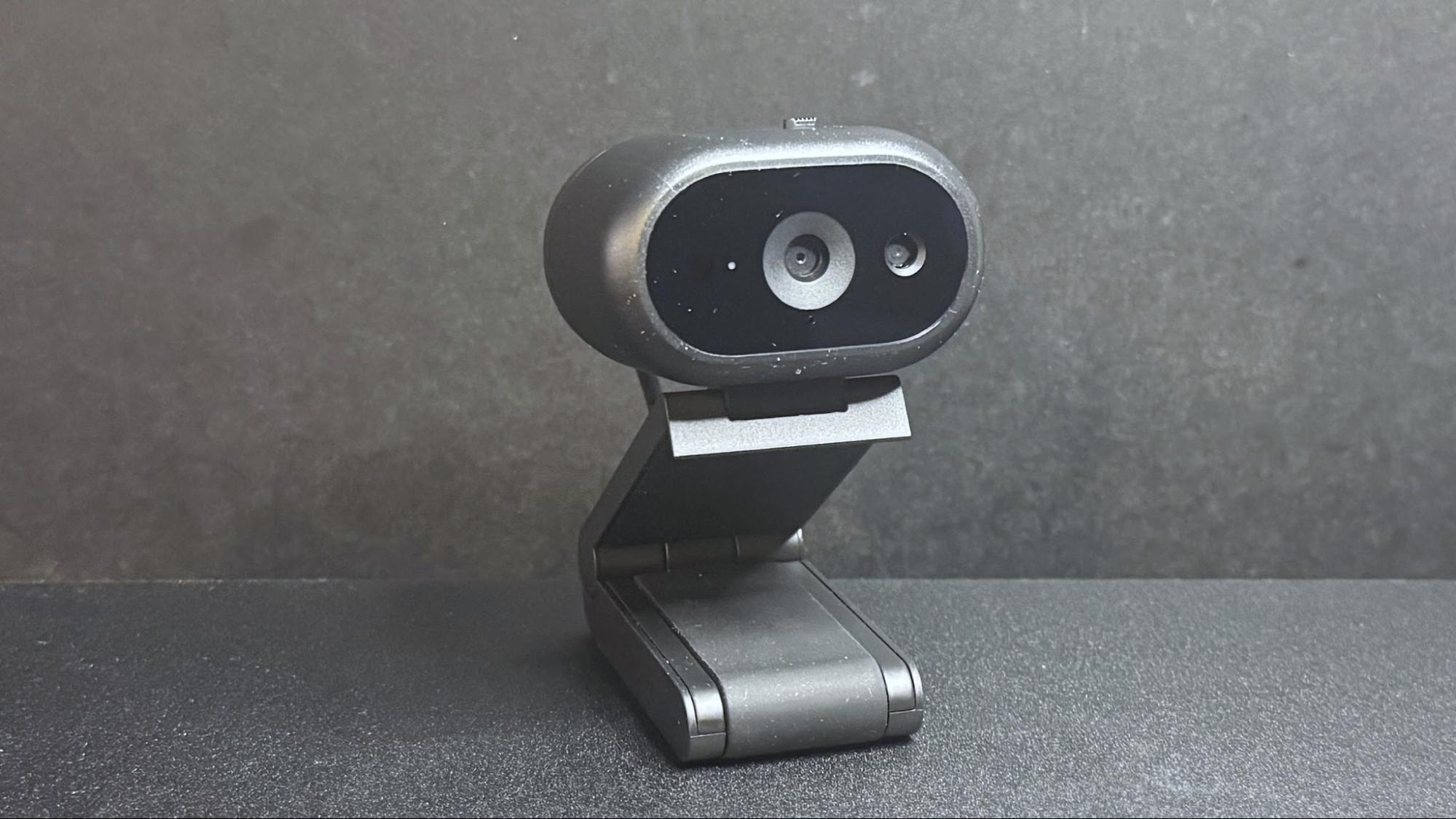
Tornyol Systems says its autonomous microdrone has made its first recorded air-to-air insect kill, a milestone for a system the company wants to use against mosquitoes. The catch is visible in the company’s own demonstration: the target was a moth, not a mosquito.
Alex Toussaint, Tornyol Systems’ co-founder, posted the video and credited the engineering team behind the project. He described the clip as a step toward “completely eradicating mosquitoes,” a claim that should be read as the company’s ambition, not an established public-health result.
The aircraft weighs 40 grams, or about 1.4 ounces. Tornyol says the drone can be directed at flying insects as far as 8 meters, about 26 feet, using a mix of acoustic sensing, commodity electronics and signal processing. The company’s pitch is blunt: build a small, cheap, fast machine that finds mosquitoes and kills them in areas where people live.
How Tornyol says the system works
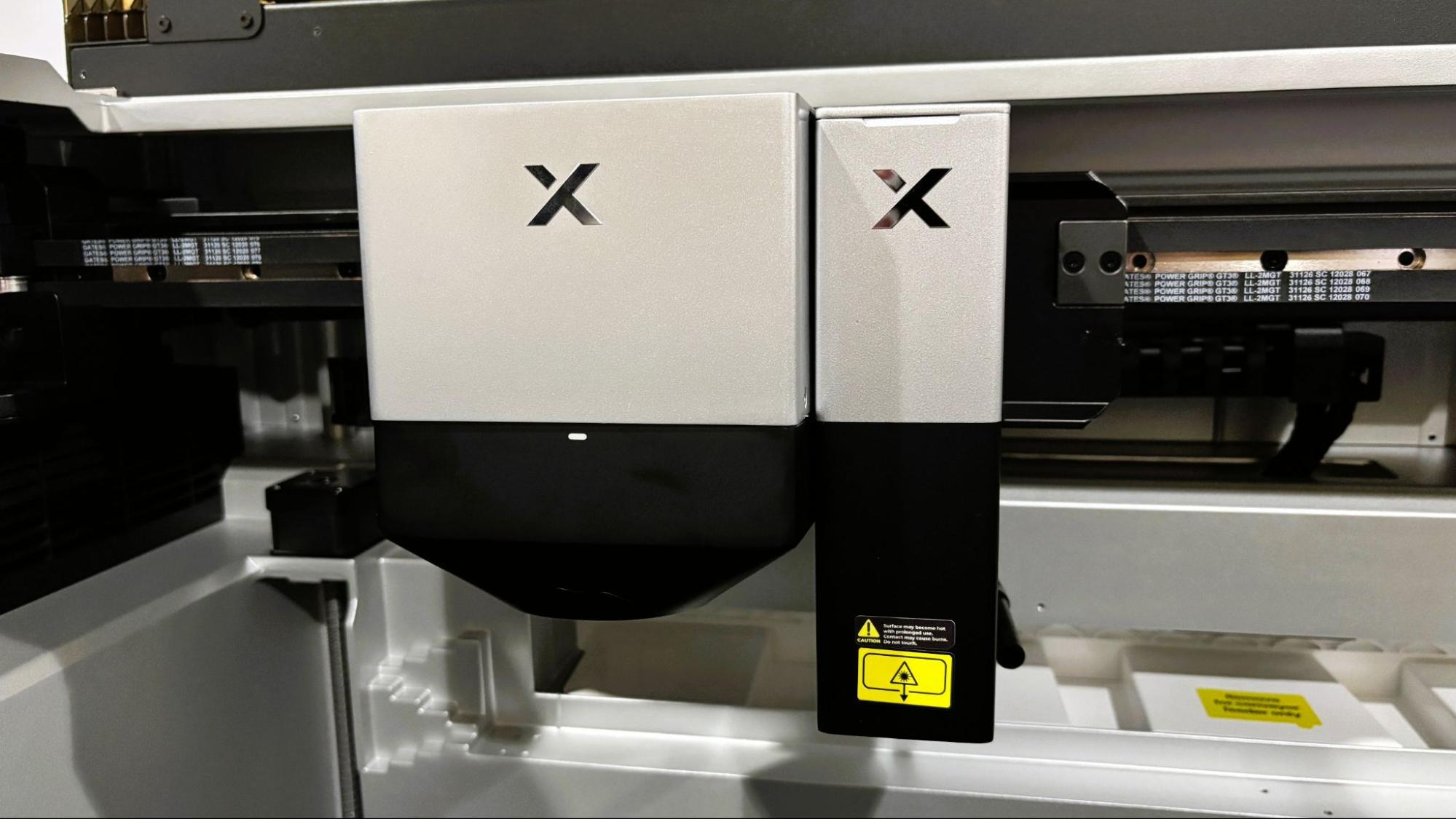
The drone is not operating as a self-contained hunter in the current description. Tornyol says the platform depends on a LeSonar2 phased-array sonar base station, which uses 380 smartphone microphones and an Artix-7 FPGA to build a three-dimensional map of the nearby space.
According to Tornyol, that setup can measure movement as small as 0.1 millimeters and identify mosquitoes by their wingbeat signature. A PC sends instructions to the drone. The company says the system also uses car park assist sensors and digital signal processing to find and intercept insects.
That division of labor matters. The drone may be autonomous in flight behavior, but the sensing and control stack described by Tornyol still leans on external hardware. The company says it plans to move deployment to embedded hardware in the next few weeks, which would reduce or remove the need for a separate PC if the rollout works as advertised.
The mosquito target
Tornyol’s public case for the product rests on mosquito-borne disease. In its mission statement, the company says mosquitoes kill more than 700,000 people each year and that more than 700 million people contract mosquito-borne illnesses annually. It also cites West Nile virus cases in the United States as evidence that mosquito disease is not limited to tropical regions.
The company’s earlier work was shown by Toussaint at Hackaday Supercon 2024 in a presentation about detecting and killing mosquitoes with off-the-shelf electronics. The new video suggests the hardware has been shrunk and refined since then, though Tornyol has so far shown a moth kill rather than a mosquito kill in the cited demonstration.
Tornyol is already soliciting U.S. buyers. The company is asking for a refundable $100 deposit for a drone and base station. It lists two payment options: a $50 monthly subscription or a one-time $1,100 purchase.
The engineering problem is clear enough: find a tiny moving target, classify it by acoustic signature, then put a 40-gram aircraft into its flight path before it escapes. Tornyol says it has demonstrated the interception part against a live flying insect. Whether that scales from one visible moth in a demo to reliable mosquito control is still the part the company has to prove.
This story draws on original reporting from Tom's Hardware.