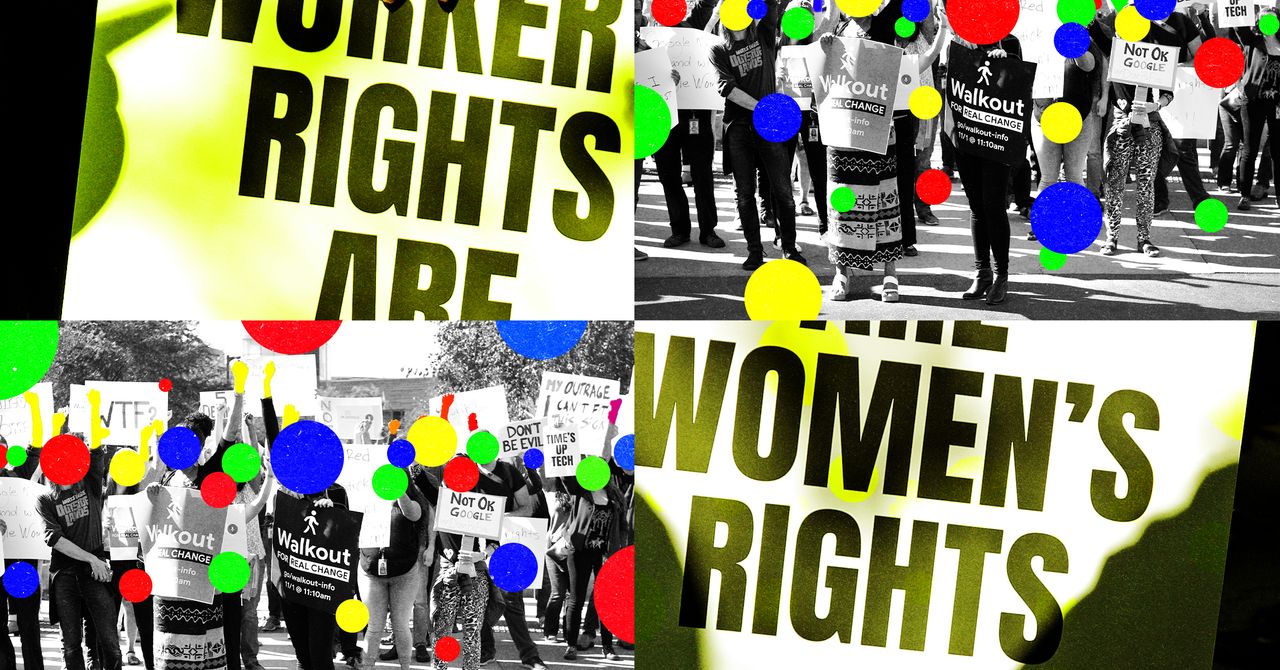
The 2018 Google Walkout put thousands of employees and contractors outside their desks on November 1 to protest the company’s handling of sexual harassment and misconduct, lack of transparency, and a workplace culture organizers said failed many workers. Organizers said more than 20,000 people in 50 cities participated at 11:10 a.m. local time, a figure that was not an audited headcount. The New York Times reported that workers protested in Google offices around the world.
The immediate spark was reporting about misconduct allegations involving senior executives, including reporting described by an employment-law analysis as Google’s $90 million exit package for Android creator Andy Rubin after the company asked him to resign over allegations. But the organizers’ public statement cast the protest as part of longer-running concerns about misconduct, inequity, racism and corporate decision-making, rather than a demonstration about one executive.
What happened at the 2018 Google Walkout?
Claire Stapleton, then a New York-based Google marketing manager, recounts in an excerpt from her book published by Wired that she created an internal “womens-walk” Google Group on October 27. Her message invited colleagues to determine the action’s purpose and timing. Stapleton wrote that the group had passed 200 members; discussions moved quickly from anger to strategy, and organizers selected November 1, five days later.
Stapleton’s account says project manager Tanuja Gupta helped create an internal organizing site with local leads who could run events in their own offices. The walkout organizers later described the operation as a grassroots effort built in less than a week. Stapleton, Gupta, Meredith Whittaker, Celie O’Neil-Hart, Stephanie Parker, Erica Anderson and Amr Gaber were among those named as organizers.
The campaign did not arrive with a vague request for Google to do better. Organizers set out five structural demands:
- End forced arbitration in harassment and discrimination cases, including for temporary workers and contractors.
- Address pay and opportunity inequity, and disclose compensation-gap data.
- Publish a public sexual-harassment transparency report.
- Create a clear, safe, anonymous and globally inclusive misconduct-reporting process for employees and contractors.
- Have the chief diversity officer report directly to the CEO and make recommendations directly to the board, and appoint an employee representative to the board.
What changed after the walkout?
Google announced on November 8, a week after the protest, that it would end mandatory private arbitration for employee sexual-harassment and assault claims. The Wall Street Journal reported that CEO Sundar Pichai also said the company would add detail to its harassment reports and offer counseling and career support to people who raised concerns.
Google later announced that it would end forced arbitration and class-action waivers for all claims brought by current and future employees, according to Katz Banks Kumin. The firm said the expanded policy was announced in February 2019 and took effect globally on March 21. Its analysis also said third-party staffing companies were not required to adopt the policy, so the change should not be read as covering every contractor.
A Los Angeles Times review in November 2019 found a mixed record across the remaining demands. Google had agreed to permit colleagues at HR meetings, with a limit of two appearances a year per companion. It committed to an internal, rather than public, harassment report and said it would review reporting processes, publish policies and create a dedicated complaints team.
That review found no response to the requested pay-data transparency, no change to the chief diversity officer’s reporting line, and no response on employee board representation. The documented record therefore shows policy and process changes following the walkout, alongside several requests that had not been met as of November 2019.
This story draws on original reporting from WIRED.