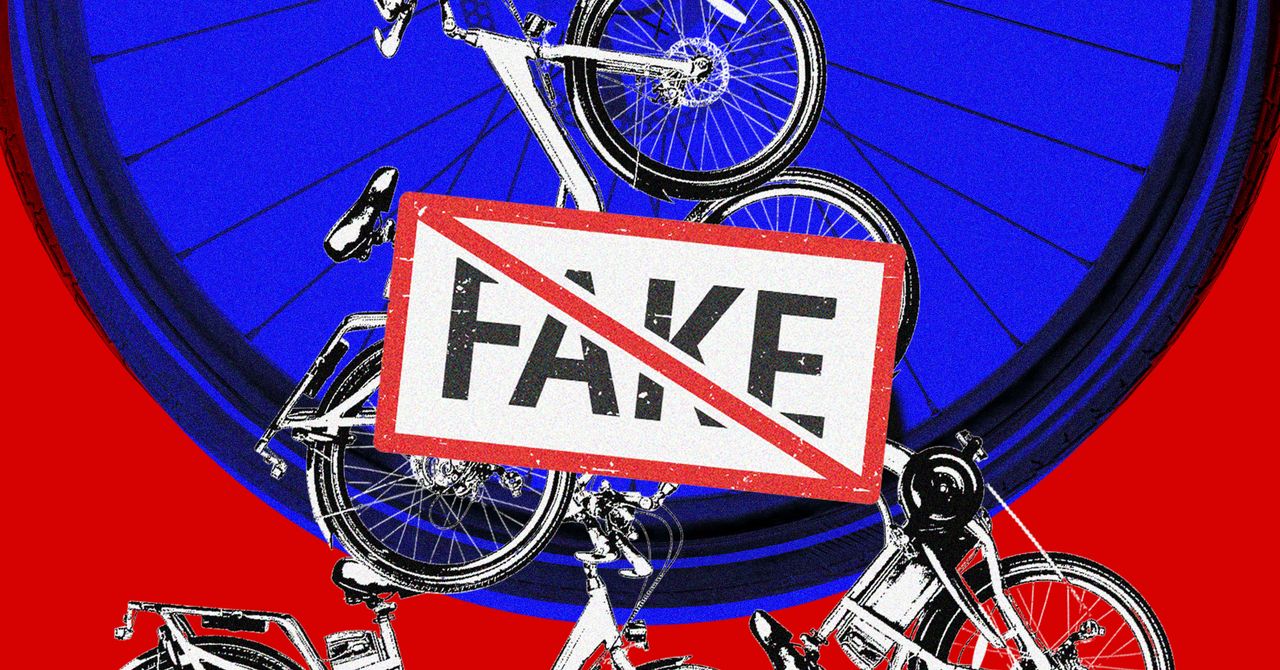
Amazon and UL have settled a federal lawsuit accusing several Chinese companies behind Aipas-branded ebikes of using UL safety-certification marks without authorization, a fight that lands squarely on a problem buyers cannot solve with vibes and product photos.
In a complaint filed in January, Amazon and UL alleged that listings on Amazon and Aipas’ own site displayed UL marks even though the ebikes had not been certified by UL. On July 15, a federal judge approved a permanent injunction barring the companies from using the UL mark or helping others do so.
The companies covered by the injunction are Jiangmen Meijiasheng Bicycle, Hong Kong Manchester International Trading, Shenzhen Aibosi Sport Technology, Guangzhou Aierfeile Sport Technology, and Tang Shuhui, whom the lawsuit alleged was tied to an Amazon seller account. The court filing says they did not admit liability or wrongdoing.
WIRED reported that the dispute did not cleanly end with the injunction. The publication found a Facebook account associated with Aipas Ebike still running ads that showed UL’s red logo, including one served to a reporter in mid-July after the companies had agreed to the order. Meta’s Ad Library showed at least one ad using the UL mark had been active since April, according to WIRED. Another active ad that included the mark and had first appeared in May disappeared from the library after WIRED contacted Aipas and UL, the publication reported.
Amazon declined to comment to WIRED. UL spokesperson Bradley Carlson also declined to discuss the lawsuit, but told WIRED that UL was “aware and working to resolve” the Facebook ad issue. Aipas Ebike and the lawyer for the Chinese businesses did not respond to WIRED’s requests for comment.
What the mark is supposed to mean
UL is both a standards organization and a testing company. It writes safety standards, and, for a fee, tests products against those standards. Companies whose products are tested and certified by UL may use UL’s logo. Other Nationally Recognized Testing Laboratories, including SGS, can certify products to UL standards, but that is a different claim from saying UL itself certified the product.
That distinction is not decoration. Lithium-ion batteries in micromobility devices have been tied to fatal fires. A US Consumer Product Safety Commission report published in April found 45 deaths from 2017 to 2024 associated with fires involving lithium-ion batteries in mobility devices, including 19 involving ebikes. The New York City Fire Department recorded 277 fires tied to the technology in 2024, up from 268 in 2023, and linked them to ebikes.
The CPSC has urged consumers to buy micromobility products designed, manufactured, and certified by an accredited lab to applicable safety standards. The agency has also said many ebike fires involved replacement battery packs.
Donald Mays, a product safety consultant, told WIRED that false safety certifications are a long-running and common problem. Gabe Knight, a senior policy analyst at Consumer Reports, told WIRED that the risk is higher on online marketplaces, where shoppers already face more counterfeit goods from third-party sellers.
The CPSC said in May that misuse of certification marks can appear to be part of attempts to evade US safety requirements, and asked for public input on counterfeit marks. In June, the agency proposed mandatory federal safety standards for lithium-ion batteries used in micromobility products, including ebikes, with public comments accepted through August.
Aipas documents raise more questions
WIRED reported that Aipas eventually received some safety certifications from SGS, a recognized testing organization. Documents on Aipas’ site indicate that SGS certified Aipas lithium-ion batteries to a UL safety standard in September 2025, followed by certifications for several Aipas ebike lines later that year.
But WIRED found that while the battery certificate remained active, three certificates for complete ebikes were inactive. SGS told WIRED it could not discuss the status of a certification as a third party. Aipas’ website accurately described its batteries as SGS certified to a UL standard as of July, according to WIRED, while still linking to inactive ebike certificates.
Mays told WIRED that an inactive certificate does not automatically mean a product is unsafe. A certificate can lapse after design or component changes, or if a company does not go through required follow-up inspections. For ordinary buyers, that is still a rotten lookup exercise. Ebike reviewer Scott Hardesty told WIRED that after criticizing Aipas, he began requiring companies to email him their UL certificates. Hardesty said he earns commissions from some ebike sales through his YouTube channel.
Amazon and UL said in their lawsuit that Amazon spent more than $1 billion and employed thousands of people in 2024 to fight counterfeit and fraudulent goods. The Aipas case suggests the scanning machine still has holes large enough for a safety logo to ride through.
This story draws on original reporting from WIRED.